



Long-term property value is increasingly shaped by the relationship between development strategy, construction quality, and design. Australia’s property market continues to evolve as businesses and communities seek spaces that are practical, adaptable, attractive, and prepared for future requirements. Hannas Group reflects an integrated approach where property, construction, and design work together to create developments focused on lasting functionality and enduring value.
Jump To
- Property Development Is Moving Beyond Short-Term Outcomes
- Construction Quality Provides the Core Foundation
- Design Connects Function With Experience
- Integrated Planning Can Improve Development Outcomes
- Adaptability Helps Protect Long-Term Value
- Infrastructure Strengthens Property Functionality
- Sustainability Can Enhance Long-Term Performance
- Design Quality Can Strengthen Property Identity
- Enduring Value Comes From Consistency
- Conclusion
Property Development Is Moving Beyond Short-Term Outcomes
Modern development increasingly considers how a property will perform throughout its lifespan rather than focusing solely on completion. Location, infrastructure, accessibility, design, construction quality, and future adaptability can all influence long-term performance.
This broader perspective encourages developers to consider the needs of future users from the earliest planning stages. The result can be properties that remain useful and relevant as market conditions and community expectations change.
Construction Quality Provides the Core Foundation
The physical quality of a development has a direct influence on its durability and usability. Strong construction practices, appropriate materials, careful workmanship, and effective project coordination can contribute to reliable long-term performance.
Quality construction also supports the practical objectives established during the design stage. When building methods and design principles are aligned, the completed property can provide a more consistent experience for occupants and businesses.
Design Connects Function With Experience
Design has an important role in determining how people interact with a property. A well-planned development considers movement, accessibility, spatial efficiency, visual appeal, natural surroundings, and the needs of its intended users.
For commercial and industrial projects, design can also support operational efficiency. Practical layouts, suitable access points, functional work areas, and adaptable spaces can help businesses use their properties more effectively.
Integrated Planning Can Improve Development Outcomes
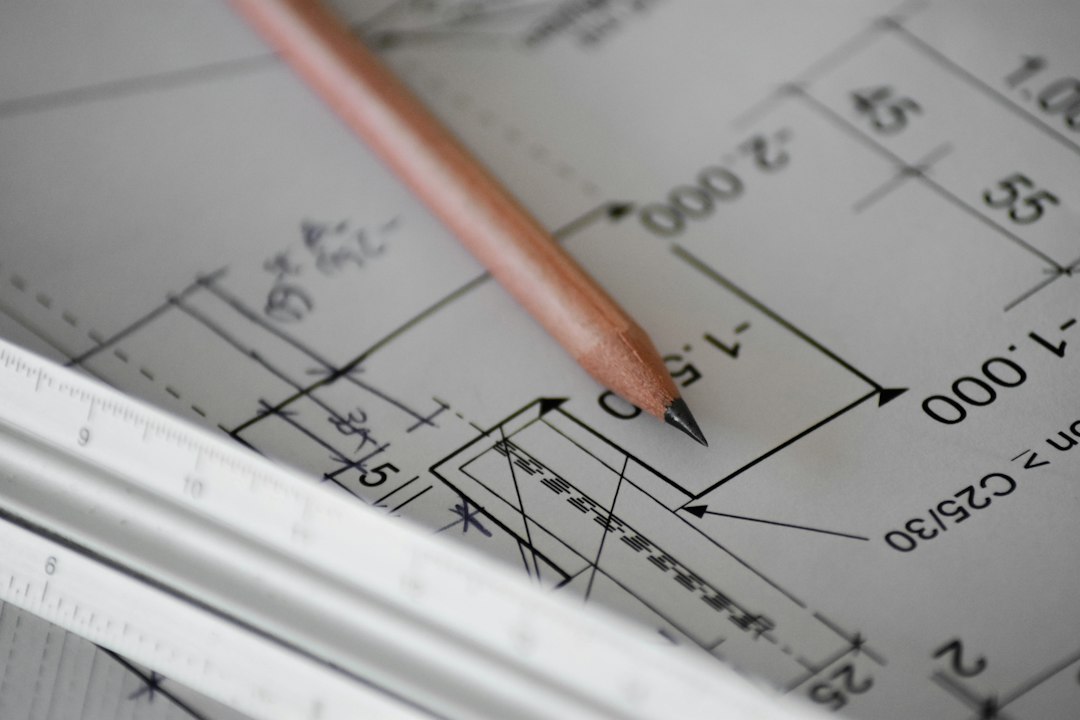
Property, construction, and design are closely connected. Decisions made in one area can influence outcomes in another, making coordination particularly important.
An integrated development process considers these elements together rather than treating them as separate stages. This can support better use of resources, clearer project direction, and stronger alignment between the original concept and final result.
Adaptability Helps Protect Long-Term Value
Business requirements can change as technology, workforce structures, customer expectations, and operational models develop. Properties that can accommodate these changes may offer greater long-term usefulness.
Flexible layouts, efficient infrastructure, and adaptable spaces can allow businesses to adjust their operations without completely changing their premises. This creates an important connection between flexibility and enduring property value.
Infrastructure Strengthens Property Functionality
Infrastructure is a fundamental part of any successful development. Transport access, utilities, drainage, roads, communications, and site services all influence how efficiently a property can operate.
When infrastructure is considered carefully alongside construction and design, developments can achieve stronger connectivity and functionality. These elements can also support future growth within and around the development.
Sustainability Can Enhance Long-Term Performance
Sustainable development is increasingly becoming part of the definition of property quality. Energy-efficient systems, water management, responsible materials, landscaping, and environmentally conscious planning can contribute to more efficient properties.
Sustainability can also support the long-term operating performance of a development. By considering environmental factors during planning and design, developers can create spaces that are better prepared for changing expectations.
Design Quality Can Strengthen Property Identity
A distinctive development can create a stronger sense of place through architecture, landscaping, materials, and thoughtful site planning. This visual identity can complement practical functionality and contribute to the overall appeal of a property.
Strong design does not need to compromise usability. The most effective projects can combine character with efficient layouts and practical features, creating environments that are both attractive and purposeful.
Enduring Value Comes From Consistency
Long-term value is rarely created through one individual feature. It is the result of multiple elements working together consistently.
Quality construction provides durability, thoughtful design improves usability, effective infrastructure supports connectivity, and strategic development planning creates direction. Together, these factors can establish a strong foundation for lasting property performance.
Conclusion
Building enduring property value requires a balanced approach to development, construction, and design. When quality workmanship, thoughtful planning, functional design, infrastructure, sustainability, and adaptability are brought together, properties can remain relevant well beyond their completion. A long-term development mindset can create spaces that support businesses and communities today while maintaining the flexibility and quality needed to deliver value well into the future.
Key Takeaways
- Long-term property value is increasingly influenced by the interplay of development strategy, construction quality, and design.
- The modern property development approach emphasizes long-term performance and adaptability rather than just immediate completion.
- Quality construction methods and materials are crucial for the durability and usability of a property over time.
- Integrated planning among property, construction, and design enhances resource use and aligns project outcomes with initial concepts.
- Flexible and adaptable property layouts can accommodate changing business needs, contributing to long-term value.
- Sustainability factors, such as energy efficiency and responsible materials, are increasingly seen as integral to property quality and long-term performance.