






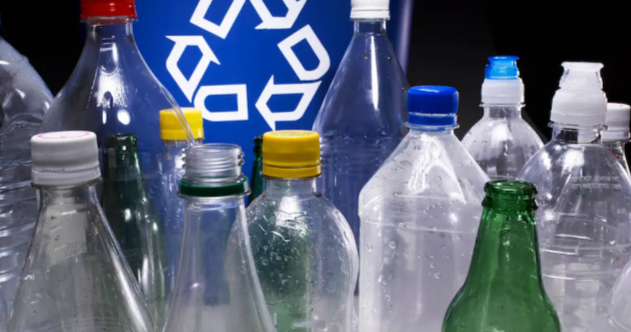
Polyethylene terephthalate, commonly known as PET, is one of the most widely used plastics in the world. Found in water bottles, soft drink containers, food packaging, and even clothing fibers, PET is lightweight, durable, and highly versatile. However, the extensive use of PET has resulted in a growing plastic waste problem. PET Recycling is crucial for reducing environmental impact, conserving natural resources, and transforming plastic waste into valuable materials that can be reused in various applications.
Understanding PET and Its Uses
PET is a type of thermoplastic polymer that is strong, transparent, and resistant to moisture. These qualities make it ideal for packaging beverages and food products. PET is also used in textiles as polyester fibers and in industrial applications such as films and containers. Despite its advantages, PET does not biodegrade quickly, meaning that improperly disposed PET items can remain in landfills or oceans for hundreds of years. This makes recycling PET an essential part of responsible plastic management.
The Importance of PET Recycling
Recycling PET provides significant environmental and economic benefits. By diverting PET waste from landfills and oceans, recycling helps reduce pollution and the harmful effects of plastic on wildlife and ecosystems. It also decreases the need for virgin plastic production, saving energy and reducing the consumption of petroleum-based raw materials. Furthermore, recycled PET can be transformed into new products such as bottles, packaging materials, clothing fibers, and even construction materials, creating a circular economy where resources are continually reused.
The PET Recycling Process
The recycling process for PET begins with the collection and sorting of plastic waste. PET items are separated from other types of plastics and contaminants to ensure quality in the recycled material. Once sorted, the bottles and containers are thoroughly cleaned to remove labels, adhesives, and residues. The clean PET is then shredded into small flakes or pellets, which can be melted and molded into new products. Advanced technologies also allow chemical recycling, where PET is broken down into its basic building blocks for the production of high-quality plastics.
Challenges in PET Recycling
Despite the benefits, PET recycling faces certain challenges. Contamination from food, liquids, or other plastics can reduce the quality of recycled material. Additionally, colored PET can limit the applications for recycled products, as clear PET is often preferred for packaging. Public awareness and proper disposal practices are key to overcoming these challenges. Encouraging consumers to rinse and sort PET bottles before recycling and supporting efficient collection systems can significantly improve recycling efficiency.
Promoting Sustainable Plastic Practices
Effective PET recycling requires cooperation between manufacturers, consumers, and waste management authorities. Manufacturers can design PET products with recyclability in mind, minimizing mixed materials and using clear plastics when possible. Consumers contribute by disposing of PET responsibly and participating in recycling programs. Governments and local authorities can support these efforts by providing accessible recycling infrastructure, clear guidelines, and public awareness campaigns. Together, these actions strengthen PET recycling systems and reduce environmental impact.
Economic and Industrial Benefits
Recycling PET is not only environmentally responsible but also economically advantageous. Recycled PET reduces the cost of raw materials for manufacturers and creates opportunities for businesses involved in collection, processing, and repurposing. Industries can produce a variety of products from recycled PET, such as new bottles, clothing fibers, packaging films, and construction materials. The growing demand for sustainable products also encourages innovation and investment in recycling technologies, supporting a circular economy.
Supporting Global Sustainability Goals
PET recycling aligns with global sustainability initiatives by reducing plastic waste, conserving resources, and promoting responsible production and consumption. By turning discarded bottles into valuable materials, PET recycling supports cleaner ecosystems and contributes to international efforts to reduce environmental impact. Each step in the recycling process, from proper disposal to processing and reuse, plays a vital role in building a sustainable future.
In conclusion, PET recycling is an essential practice for transforming plastic waste into valuable resources. By understanding its benefits, addressing challenges, and encouraging collaboration between industries, consumers, and authorities, society can reduce environmental impact and promote sustainability. Effective PET recycling ensures that plastic bottles and containers are not simply discarded but are reused responsibly, creating a cleaner, greener future for generations to come.