







Every roof eventually reaches a point where repairs stop making financial sense. The tricky part is knowing when you’ve crossed that line, since roofing problems tend to develop slowly and quietly. Summer is a practical time to make this call: the weather is predictable enough for contractors to work efficiently, and you’ll want structural issues sorted out before fall storms and winter ice put more strain on an already weakened roof. Waiting until fall to address a failing roof usually means competing with a much longer contractor backlog, since storm damage repairs tend to spike demand right when the weather turns.
Your Roof Is Approaching (or Past) Its Expected Lifespan
Asphalt shingle roofs, the most common type in the U.S., typically last between 20 and 25 years depending on material quality and local climate, according to the National Roofing Contractors Association. If you know your roof is in that range, or you bought a home without clear records of when it was last replaced, age alone is a reason to get a professional evaluation. Materials installed decades ago may also fall short of today’s building codes for wind resistance and underlayment, meaning even a roof that looks fine from the ground could be more vulnerable than a newer installation in the same storm. It’s also worth noting that a roof nearing the end of its life is more likely to sustain damage during a moderate storm than a newer one would, since the materials have less flexibility left to absorb impact from wind-driven debris or hail.
Repairs Are Becoming More Frequent
One or two repairs over a decade is normal wear and tear. Needing a new patch every year, though, usually means the underlying materials are failing faster than any single repair can keep up with. At a certain point, the cumulative cost of ongoing patchwork exceeds what a full replacement would have cost, and you’re still left with an aging roof that offers no long-term reliability. If your contractor has quietly stopped offering guarantees on their repair work, that’s often an unspoken signal they think the roof is past the point where patching makes sense. Keeping a simple record of repair dates and costs over a couple of years makes this pattern much easier to spot than relying on memory alone.
Granule Loss, Curling, and Daylight Through the Deck
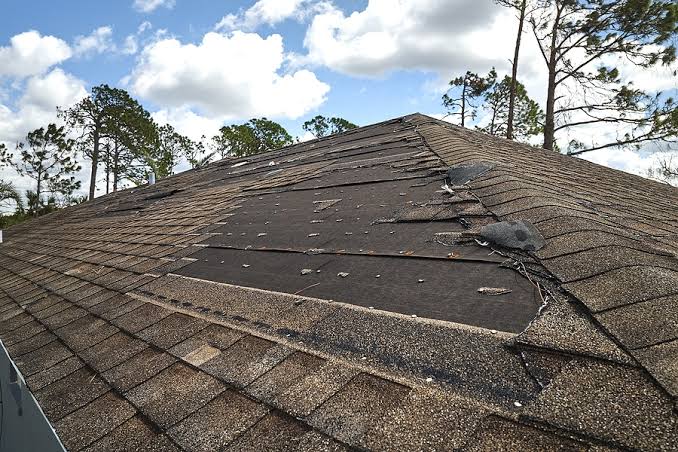
Bald patches on your shingles, granules collecting in your gutters, or shingle edges that curl upward instead of lying flat are all signs the roofing material has lost its protective coating and is nearing the end of its service life. If you can see daylight through your attic roof boards, or find damp insulation after a dry stretch of weather, that’s a more urgent signal water is already finding its way in. Getting a second opinion matters here, since some contractors are quicker to recommend replacement than the situation calls for — using a resource like Roofing Scout to compare a few local, vetted opinions can help you feel confident in the diagnosis before committing to a full project. Checking your gutters after a storm for an unusually large amount of granule buildup is a quick way to gauge how much protective coating your shingles have already lost.
Rising Energy Bills With No Other Explanation
An aging, poorly insulated roof lets conditioned air escape more easily, which shows up as a gradual creep in your cooling costs each summer. If your energy bills are climbing and you haven’t changed your thermostat habits or added appliances, a compromised roof and attic system is worth investigating. The Insurance Information Institute also notes that homes with outdated roofing are more likely to face claim disputes or higher premiums, since insurers increasingly factor roof age and condition into eligibility and pricing. Comparing your bills to the same months in prior years, rather than just looking at the current bill in isolation, gives a clearer picture of whether the increase is tied to the roof or simply a hotter summer.
None of these signs alone guarantees you need a full replacement, but two or more together are a strong argument for getting a professional inspection before summer turns into storm season. Catching the decision early gives you more time to compare options and materials, rather than making a rushed choice after an emergency leak forces the issue.