







The living conditions in cities are becoming more sustainable, functional, and livable. New residential projects are no longer aimed at providing a means of protection but also help to maintain healthier lifestyles, have less impact on nature, and promote greater social interaction. This development can be described as shifts in the demands of urban dwellers who appreciate energy-efficiency, access to green areas and considerate planning. Tengah Garden Residences and Promenade Peak are just some of the developments that are responding to these priorities with an integrated design and future-oriented approach to architecture.
Sustainable Planning that is Nature and Built Environment Integrated
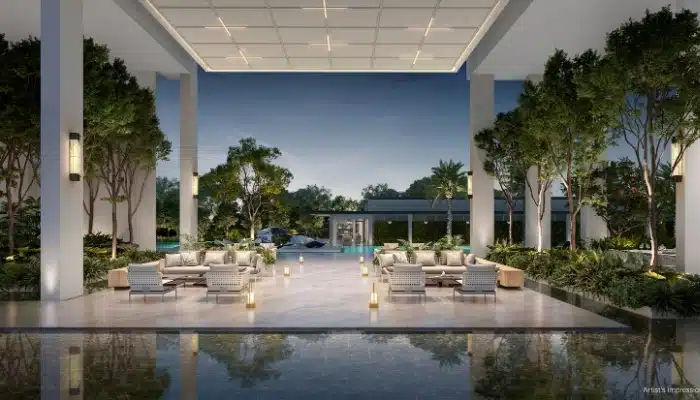
The integration with nature has become one of the main peculiarities of modern residential buildings. Strategies of landscaped corridors, opening courtyards, and natural ventilation have become fundamental to planning instead of being an addition to them. Tengah Garden Residences uses the above strategy by focusing on the aspect of green connectivity and walkable areas that minimise the use of vehicles. In the same way, Promenade Peak resembles the city structure, incorporating structured and unstructured spaces, so that residents can have a sense of harmony between the urban space and its natural environment.
Green Building Principles of Residential Buildings
Housing sustainability is not only a visual extension of greenery but also a construction technique and materials selection. Such building envelopes, rooftops, and water-efficient systems are becoming more widespread in new developments. Tengah Garden Residences has integrated these concepts by using design elements that will minimise the long term consumption of energy at the expense of comfort. The Promenade peak also concurs with these practices since it is based on effective planning of space that reduces wastage and favourable, low operational expenses to the residents in the long run.
Residential Layouts that are Community-Based
Contemporary residential complexes are constructed in such a way that everyone can communicate without invading another person. Communal facilities, walking routes, and versatile areas promote the feeling of community among the population. The concept of Tengah Garden Residences helps to sustain this concept through arranging residential clusters around social areas so that daily interactions become more natural. On the same note, Promenade Peak uses designs that focus on ease of access to common amenities, which supports the notion that planned urban spaces can lead to a stronger social bond in cities.
Smart Infrastructure in the Daily Convenience
Residential architecture has become highly dependent on technology to enhance efficiency and quality of life. The use of smart lights, garbage disposal and security is a growing expectation. The Tengah Garden Residences is a product that mirrors this change in the planning of infrastructure that facilitates smart monitoring of energy and better management of resources. The role of technology is also emphasised in the Promenade Peak, incorporating systems that facilitate the simplification of the maintenance process and safety and daily convenience of the inhabitants of a crowded urban landscape.
Location-Sensitive Design and Connectivity
Another aspect of sustainable urban living is connected to the degree to which a development is connected to the environment. The location near public transport, vital services and employment centres lowers the commuting time and environmental impact. The planning concepts that Tengah Garden Residences enjoys include self-sustaining neighbourhoods with developed amenities. Promenade Peak also portrays location consciousness in the sense that the design has facilitated the comfort of movement and connectivity, where the residents can access major destinations without necessarily using personal transport to a large extent.
Conclusion
The residential architecture with a focus on sustainability is likely to provide long-term benefits to the inhabitants and the cities. The reduced utility bills, healthier lifestyles and flexible spaces are some of the elements that lead to long-term attractiveness. The Tengah Garden Residences is a representation of how careful planning can lead to adjustment of the changing needs of lifestyle without sacrificing environmental sustainability. This view is further strengthened by Promenade Peak, which shows how the concept of sustainable design can be in tandem with urban health, creating a model on how residential structures could be designed in responsive city living.