









Small bathrooms are one of the most renovated spaces in Australian homes — and one of the most misunderstood. The assumption is that a compact footprint limits what’s possible. In practice, a well-planned small bathroom renovation can deliver functionality, comfort and visual appeal that rivals spaces twice the size. The difference is almost always in the planning, not the square metres.
For Gold Coast homeowners, the combination of humid climate, coastal conditions and a strong local renovation market means the stakes are high — both for the quality of the work and for choosing the right team to do it. Understanding what goes into a small bathroom renovation on the Gold Coast is the best starting point for any homeowner considering the project.
This guide covers the key planning decisions, common mistakes, realistic cost expectations and the design principles that make compact bathrooms work harder and feel better.
Why Layout Is the Most Important Decision You’ll Make
Before choosing a single tile or tapware finish, the layout of a small bathroom needs careful thought. Layout decisions determine how the space functions every day — and once plumbing is set and walls are tiled, they’re expensive to reverse.
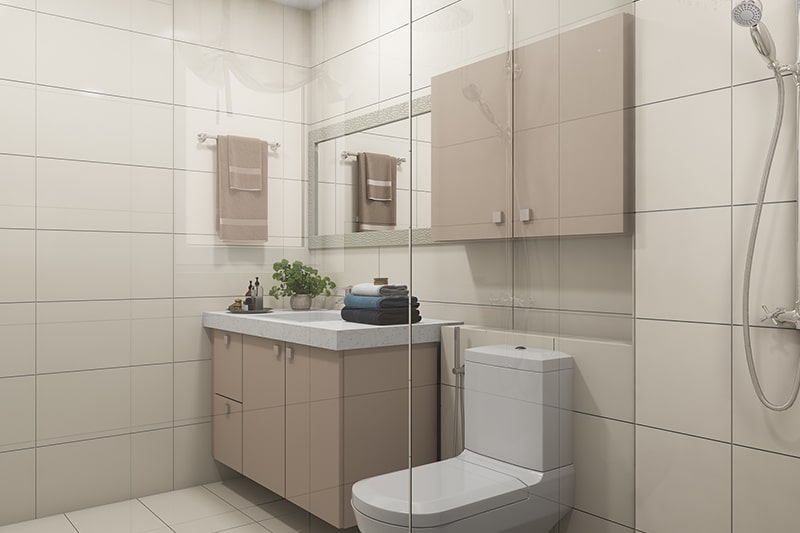
The most effective layouts for small bathrooms prioritise clear floor area and unobstructed sightlines. Wall-hung toilets and floating vanities lift fixtures off the floor, creating the visual impression of more space while making the bathroom easier to clean. Walk-in shower configurations — particularly those with frameless glass screens — maintain visual flow from entry to the back wall rather than breaking the space into separate zones.
Keep Plumbing in Place Where Possible
Relocating plumbing is one of the biggest cost drivers in any bathroom renovation. Where the existing waste and water connections allow, keeping plumbing in its current position and designing the layout around it is a practical way to control costs without compromising the final result. It’s a constraint worth working with, not against.
Understanding Small Bathroom Renovation Costs
Cost is the first question most homeowners ask — and it’s one where vague answers cause problems. A small footprint does not automatically mean a small budget. The trades required, the compliance work involved, and the material selections available are broadly the same regardless of floor area.
For a complete small bathroom renovation in Queensland — covering waterproofing, full retiling, new fixtures, vanity, shower screen and lighting — a realistic budget sits between $15,000 and $22,000 for a quality outcome. Entry-level cosmetic refreshes (replacing a vanity and tapware, updating the shower screen, repainting) can be achieved closer to $10,000 to $12,000, provided the existing waterproofing is sound and no plumbing changes are needed.
Premium outcomes — involving custom cabinetry, stone benchtops, large-format porcelain tiles and features like underfloor heating — typically start from $22,000 and rise depending on material selections and layout complexity. The key takeaway is that a $5,000 bathroom renovation is not a realistic expectation for any work involving licensed waterproofing, tiling and plumbing.
Where to Spend and Where to Save
Not all renovation decisions carry equal weight. Waterproofing and substrate preparation are non-negotiable — cutting costs here creates long-term damage that far exceeds any short-term saving. Tile format and tone are high-impact decisions that don’t always require premium pricing; a well-chosen mid-range large-format tile in a neutral tone will outperform an expensive small-format tile from a visual standpoint. Fixture quality matters for durability and daily tactile experience, but the difference between mid-range and premium tapware is narrower than many homeowners expect.
Design Principles That Make Small Bathrooms Feel Larger
Effective small bathroom design is about managing light, colour and sightlines. A few well-understood principles make a consistent difference across compact spaces.
- Tile tone and format: Light neutral tones — whites, pale greys, warm stone — reflect light and make surfaces read as continuous. Large-format tiles reduce grout lines, which removes the visual fragmentation that makes small spaces feel smaller.
- Consistent flooring: Running the same tile from the main floor area into the shower recess removes the visual boundary that breaks up the space. This single decision can make a compact bathroom feel meaningfully larger.
- Clear glass shower screens: Solid screens or curtains interrupt sightlines. A frameless clear glass screen maintains the visual flow of the room from wall to wall, preserving the sense of openness in a compact footprint.
- Strategic mirror placement: A large mirror opposite a window, or extending a mirror the full width of a vanity wall, doubles perceived light and adds visual depth.
- Layered lighting: Ambient downlights combined with a vanity mirror light and a dedicated shower light provide functional coverage and create visual depth. A single overhead light leaves corners shadowed and makes a small bathroom feel enclosed.
Waterproofing: The Part That Matters Most
Waterproofing is the most critical component of any bathroom renovation, and in a small bathroom where wet zones occupy a higher proportion of the total floor area, it demands particular attention. In Queensland, waterproofing must comply with AS 3740 — the Australian standard for waterproofing of domestic wet areas — and must be completed by a licensed applicator.
Waterproofing failure in a bathroom leads to water ingress into subfloor structures, mould growth and, in worst cases, structural damage that costs many times more to remediate than the original renovation. The signs of failure — damp patches, peeling tiles, persistent mould — often don’t appear for two to three years after the renovation, by which point the damage is already significant.
When comparing renovation quotes, always check that waterproofing is itemised and that the applicator is licensed. It should never be a line item that gets reduced to save money.
Choosing the Right Renovator for a Small Bathroom Project
Small bathroom renovations are sometimes treated as entry-level projects by general builders who more commonly work on larger construction jobs. The result is often a renovation that is technically complete but lacks the design attention and sequencing discipline that compact spaces require.
A renovator who works exclusively in bathrooms brings a different level of familiarity with the specific challenges of compact wet area work — tile layout decisions in tight corners, fixture selection for restricted dimensions, and the coordination of trades in a space where there is no room for sequencing errors.
Daily updates and clear communication throughout the project aren’t a luxury — they’re an indicator of how well the project will be managed overall. A renovation team that keeps you informed proactively is far less likely to produce a result that requires expensive fixes after completion.
Planning Is Where Small Bathroom Renovations Are Won or Lost
A successful small bathroom renovation begins with decisions made before any trade sets foot on site. Layout, waterproofing, material selections, storage planning and lighting design all need to be resolved in advance — not improvised during the build. The smaller the space, the less margin there is for mid-project changes, which makes thorough upfront planning even more important.
The good news is that a well-planned small bathroom renovation — one that gets the fundamentals right — delivers a result that improves daily life in a meaningful and lasting way, regardless of the footprint it started with.