








Building a wine collection is a journey of patience and passion. If you’re a fan that wants to keep enjoying their bottles for years and decades to come, keeping them is more than just about collection; it’s about preservation. Long-term storage requires an environment that protects the integrity of the cork and the delicate chemical balance within the liquid. Stacking wine bottle racks have emerged as a premier choice for collectors because they offer the flexibility to grow alongside a collection while maintaining the structural standards necessary for proper aging.
The Science of Horizontal Orientation
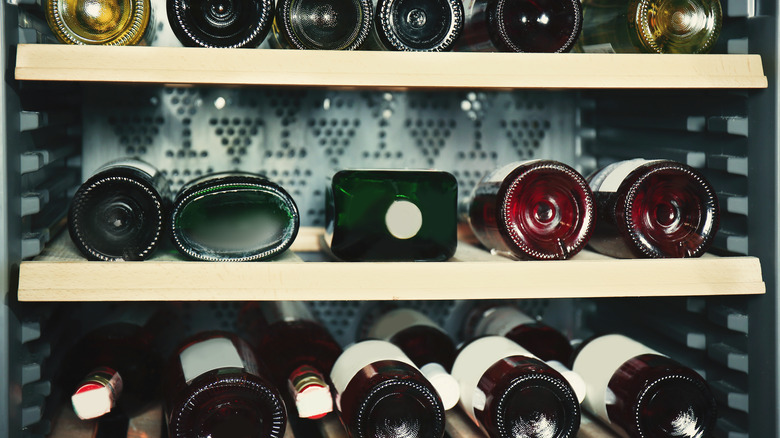
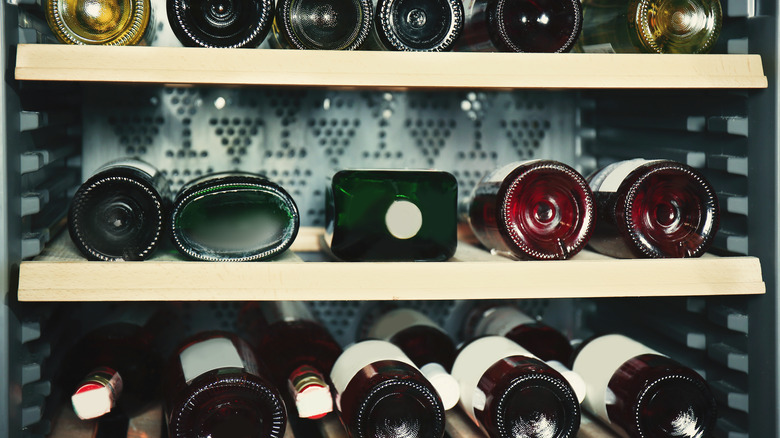
The primary requirement for any long-term storage solution is the ability to hold bottles horizontally. This orientation is critical because it ensures the wine remains in constant contact with the cork. A moist cork stays expanded, creating an airtight seal that prevents oxygen from entering the bottle. If a bottle is stored upright for an extended period, the cork can dry out, shrink, and allow air to seep in, leading to oxidation and the eventual spoilage of the vintage. High-quality stacking racks are specifically engineered to cradle bottles at this necessary angle, providing a stable foundation that minimizes the risk of the seal failing over time.
Material Matters for Stability and Insulation
When choosing a stacking system, the material is just as important as the design. Wood is a traditional favorite for long-term cellaring due to its natural insulating properties. Varieties like mahogany, redwood, or cedar are popular because they resist rot in the humid conditions required for aging wine and naturally dampen vibrations. Vibrations are a subtle enemy of wine, as they can disturb the sediment and interfere with the slow biochemical reactions that develop flavor.
Metal stacking racks, often made of wrought iron or powder-coated steel, offer a more modern aesthetic and exceptional durability. These racks are often preferred for their high strength-to-weight ratio, allowing collectors to stack bottles quite high without compromising the stability of the bottom units. While metal does not offer the same vibration-dampening qualities as wood, it is incredibly easy to clean and provides excellent airflow, which helps prevent the growth of mold on labels in damp cellar environments.
Modular Flexibility for Growing Collections
The greatest advantage of stacking wine racks is their modularity. Most collectors do not start with hundreds of bottles; they accumulate them over time. Investing in a fixed, large-scale shelving unit can be an expensive and inefficient use of space in the early stages of a hobby. Stacking racks allow you to purchase only what you need today while maintaining a cohesive look as you add more tiers in the future. This scalability ensures that your storage solution remains efficient, whether you are housing twelve bottles in a pantry or twelve hundred in a dedicated cellar.
Selecting the Right Environment
While the rack provides the physical support, the location of the rack determines the success of the aging process. For long-term storage, stacking racks should be placed in a cool, dark, and slightly humid area. Temperature consistency is vital, as fluctuations can cause the wine to expand and contract, potentially pushing the cork out or drawing air in. A basement or a temperature-controlled closet is usually the best spot for your stacking system, away from direct sunlight and household appliances that generate heat or movement.
Conclusion
Choosing the right stacking wine bottle rack is an investment in the future of your collection. By prioritizing horizontal orientation, selecting high-quality materials like wood or reinforced metal, and utilizing the modular nature of these systems, you create an environment where your wine can reach its full potential. A well-chosen rack does more than hold a bottle; it safeguards the history and craftsmanship contained within the glass, ensuring that when the time finally comes to pull the cork, the wine inside is exactly as the winemaker intended.