








In construction, the final beauty of any wall is decided long before the paint is applied. A smooth, durable finish is never just about topcoat quality but about how well the surface has been prepared underneath. One of the most important materials used in this stage is gypsum plaster powder, which helps create a level base for further finishing. Yet, despite its importance, wall preparation is often rushed or misunderstood, leading to long-term surface failures that show up months or even years later.
What makes wall preparation so critical is that it forms the invisible backbone of every interior and exterior finish. When done correctly, it supports durability, smoothness, and adhesion. When done incorrectly, it silently leads to cracks, peeling, dampness, and uneven textures that no premium paint can fully hide.
Ignoring surface assessment before starting work
One of the earliest mistakes happens even before any material is applied. Many workers skip proper inspection of the wall surface and jump directly into plastering or coating. Every wall has different conditions, some may be too porous, some too smooth, and others may already have micro-cracks that are not visible at first glance.
Without understanding these conditions, the preparation becomes guesswork rather than a planned process. This leads to uneven absorption of materials and weak bonding between layers. Over time, these hidden issues surface as visible defects that compromise the entire finish.
A proper wall preparation process always begins with checking moisture levels, surface strength, and cleanliness. When this step is ignored, every layer applied afterward is already at a disadvantage.
Using the wrong base material for leveling
Another major mistake in construction projects is selecting inappropriate materials for base leveling. In many cases, workers use materials based on availability rather than suitability, which directly affects long-term performance.
For instance, plaster of paris powder is often used for quick surface leveling due to its easy application and smooth finish. However, when used in areas that require higher durability or moisture resistance, it can weaken over time and lead to surface deterioration. The issue is not the material itself, but its incorrect application in unsuitable conditions.
Choosing the right base material is essential because it determines how well subsequent layers will bond and perform. A mismatch at this stage can compromise the entire structure of the wall finish system.
Skipping proper surface cleaning before application
A surprisingly common mistake in wall preparation is ignoring surface cleaning. Dust, grease, loose particles, and construction debris often remain on walls before plastering begins. While they may seem insignificant, they create a barrier between the wall and the material being applied.
This barrier prevents proper adhesion, which leads to hollow patches, flaking paint, and uneven texture development over time. Even the best-quality materials cannot perform well if the surface beneath them is not clean and stable.
Proper cleaning is not just about wiping the wall; it involves ensuring that the surface is completely free of anything that can interfere with bonding. This step, although simple, has a huge impact on long-term durability.
Applying layers without proper curing time
Time is one of the most overlooked elements in wall preparation. In the rush to complete projects quickly, workers often apply multiple layers without allowing adequate curing time between them. This creates internal moisture imbalance within the wall structure.
When layers are not given enough time to settle and dry, they do not bond properly. As a result, cracks begin to appear, and the surface becomes unstable. This issue becomes more visible in changing weather conditions where expansion and contraction intensify weak points.
Proper curing ensures that each layer stabilizes before the next one is applied. Skipping this step is one of the most common reasons for early wall failure, especially when materials like plaster of paris powder are involved without proper drying control.
Poor finishing layer application and uneven coating
Even when the base is prepared well, the finishing stage can still fail if not handled correctly. Uneven application of finishing materials leads to visible patches and inconsistent textures. This is especially noticeable after painting, when light highlights surface imperfections.
A smooth finishing layer depends on consistency in mixing, application technique, and timing. When any of these factors are ignored, the result is a wall that looks uneven despite multiple finishing attempts.
This is where materials like Trimurti wall putty are commonly used to refine the surface before painting. However, its effectiveness depends entirely on how well the earlier preparation stages were executed. If the base is unstable, even a high-quality finishing layer cannot fully correct the defects.
Overlooking environmental conditions during preparation
Environmental conditions such as humidity, temperature, and ventilation play a major role in wall preparation. Many construction projects ignore these factors and proceed with application regardless of conditions.
High humidity can trap moisture within layers, while extreme heat can cause rapid drying that weakens bonding. Both conditions lead to structural imbalance within the wall surface. Over time, this results in cracks, peeling, and reduced durability.
Successful wall preparation always considers the environment. Timing and conditions are just as important as materials and techniques.
Lack of proper surface leveling and inspection
Uneven leveling is another critical mistake that often goes unnoticed until the finishing stage. If the base is not properly leveled, every subsequent layer will amplify the irregularities instead of correcting them.
This happens when surface checks are not done at multiple stages of preparation. Small imperfections that are ignored early become more visible after finishing, making correction difficult and expensive.
Consistent inspection during each stage ensures that errors are corrected immediately rather than being carried forward into later layers.
Conclusion
Wall preparation is not just a technical step in construction; it is the foundation that determines the life and appearance of every surface. Mistakes such as ignoring surface cleaning, using unsuitable materials, skipping curing time, and poor leveling may seem small individually, but together they significantly reduce wall durability and visual quality.
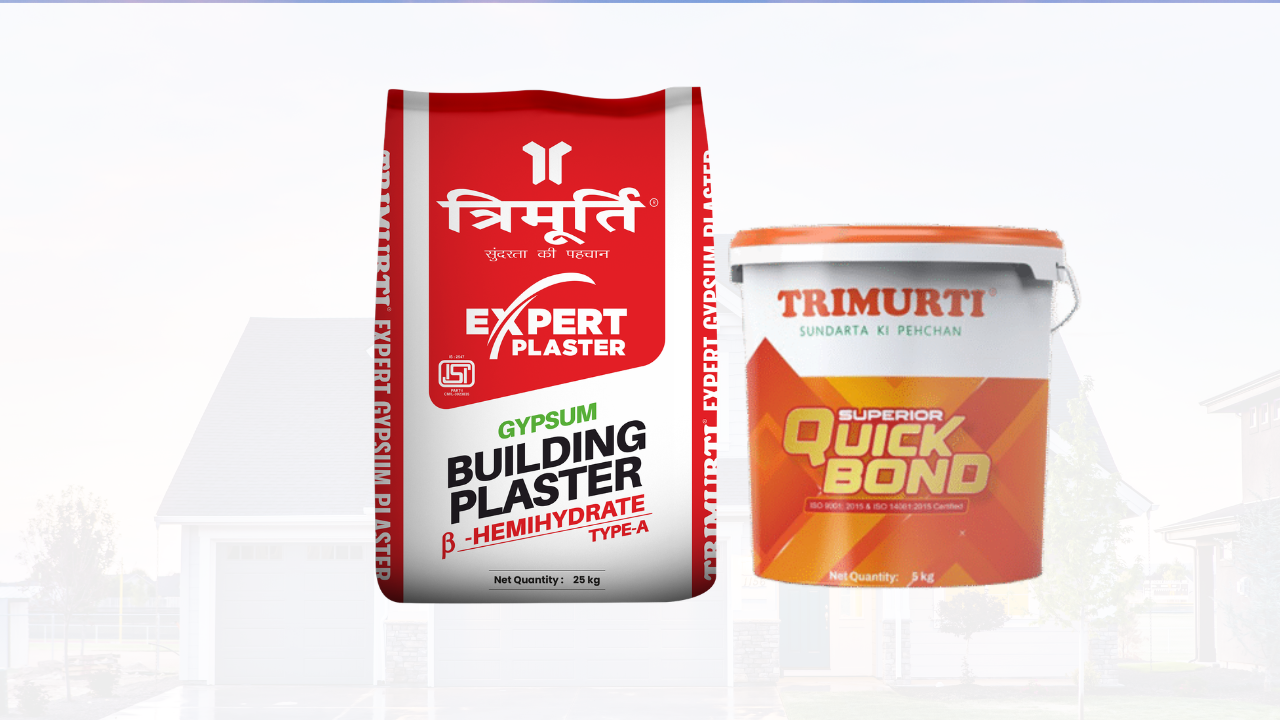
A well-prepared wall is the result of careful planning, correct material selection, including use of gypsum plaster powder, and disciplined execution at every stage. When these elements come together, the final finish remains strong, smooth, and long-lasting.
In modern construction practices, the importance of quality materials and proper techniques continues to grow, and trusted solutions like Trimurti Products play a supporting role in helping professionals achieve more reliable and durable wall finishing outcomes.