Old House Renovation: Ideas and What to Check First
Before tiles and colours, check the structure, damp and wiring. Then use these sixteen ideas to restore an old Indian home without losing what makes it special.
- Replace wiring after
- About 25 years (Havells)
- Mumbai structural audit
- Buildings over 30 years old
- Basic renovation
- Rs 500 to 800/sq ft (NoBroker, 2026)
- Habitable room height
- 2.75 m commonly cited (NBC via infralens, check locally)
- Society NOC
- Needed even for repairs (Mumbai, reported)
16 Old House Renovation ideas
 01
Restored Red Oxide Verandah
Old red oxide floors often only need deep cleaning and a fresh wax coat, not tiles on top. Pair with whitewashed walls and cane chairs. Tip: test a small patch first, as cracks may need lime-based filling.
 02
Exposed Brick Living Wall
Stripping damaged plaster on one dry wall to show old brickwork adds texture at low cost. Seal the bricks with a clear matte coat so they do not shed dust. Only do this on walls with no seepage history.
 03
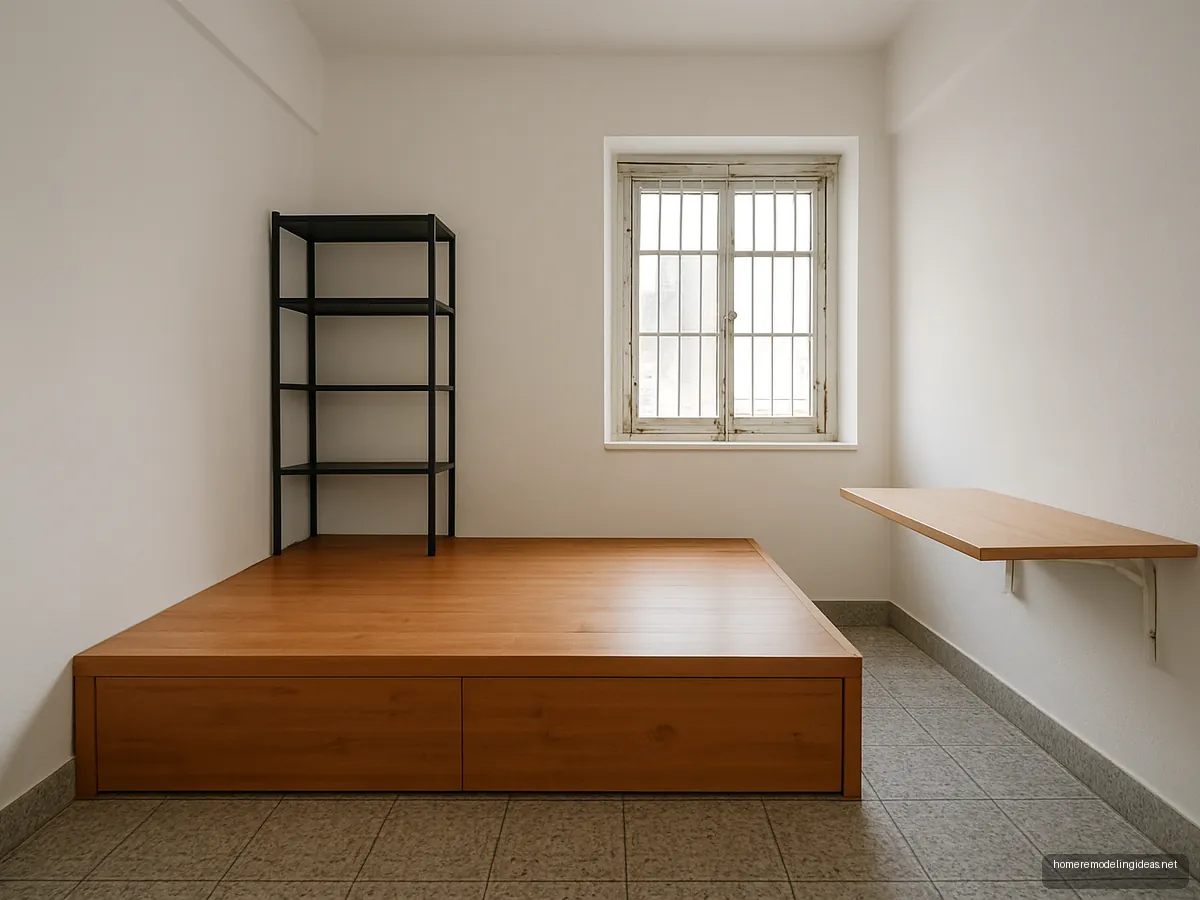
Chawl Flat Turned Studio
A one-room flat in an old building can feel much bigger with a single light colour, raised storage platform and folding furniture. Keep the original window bars but paint them white.
 04
Kerala Courtyard Home Refresh
Traditional nadumuttam courtyards stay cool but need proper drainage and fresh lime wash. Keep the sloping tiled roofs and replace only rotted rafters. Suits families restoring ancestral homes.
 05
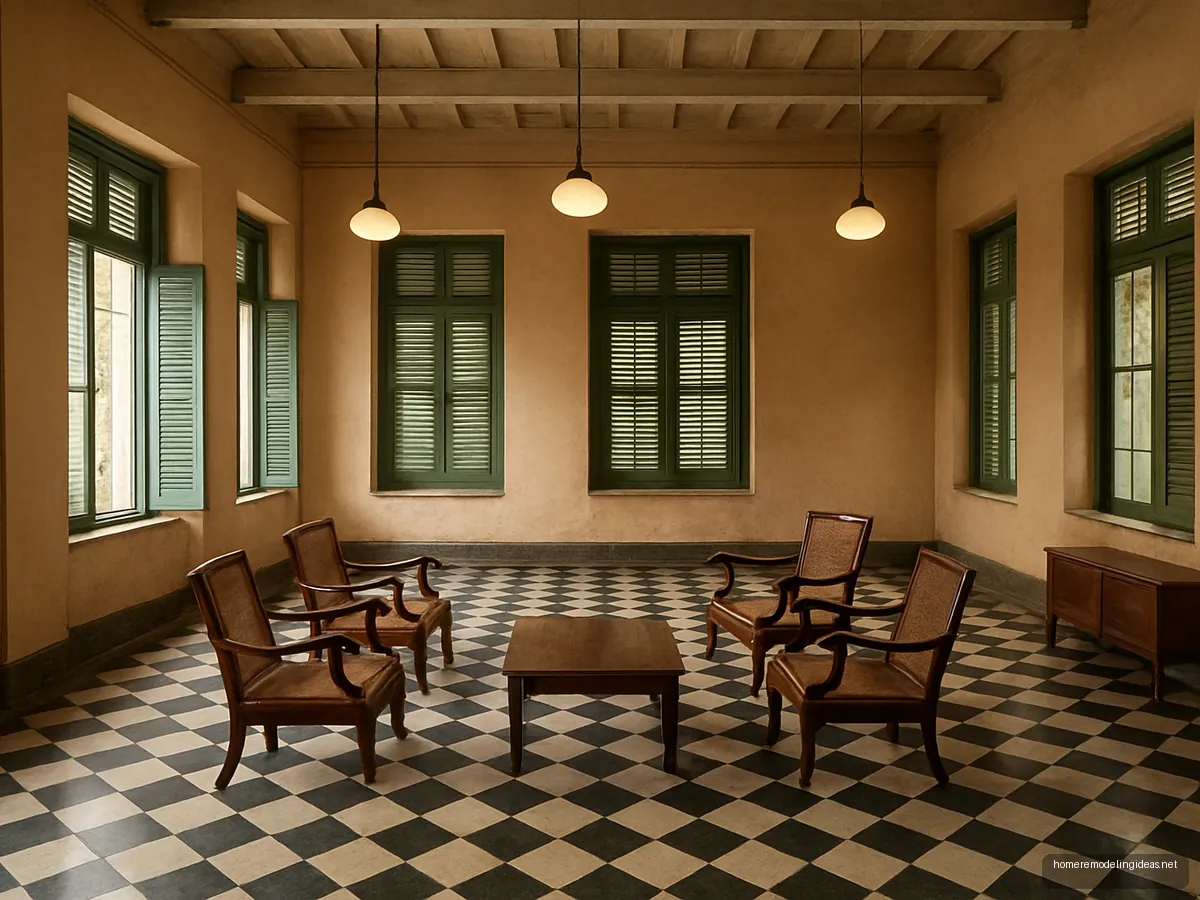
Kolkata High Ceiling Salon
Old Kolkata flats have tall ceilings and big shuttered windows. Keep both, add slim pendant lights at a lower level and paint the walls a soft colour so the room feels warm, not cold.
 06
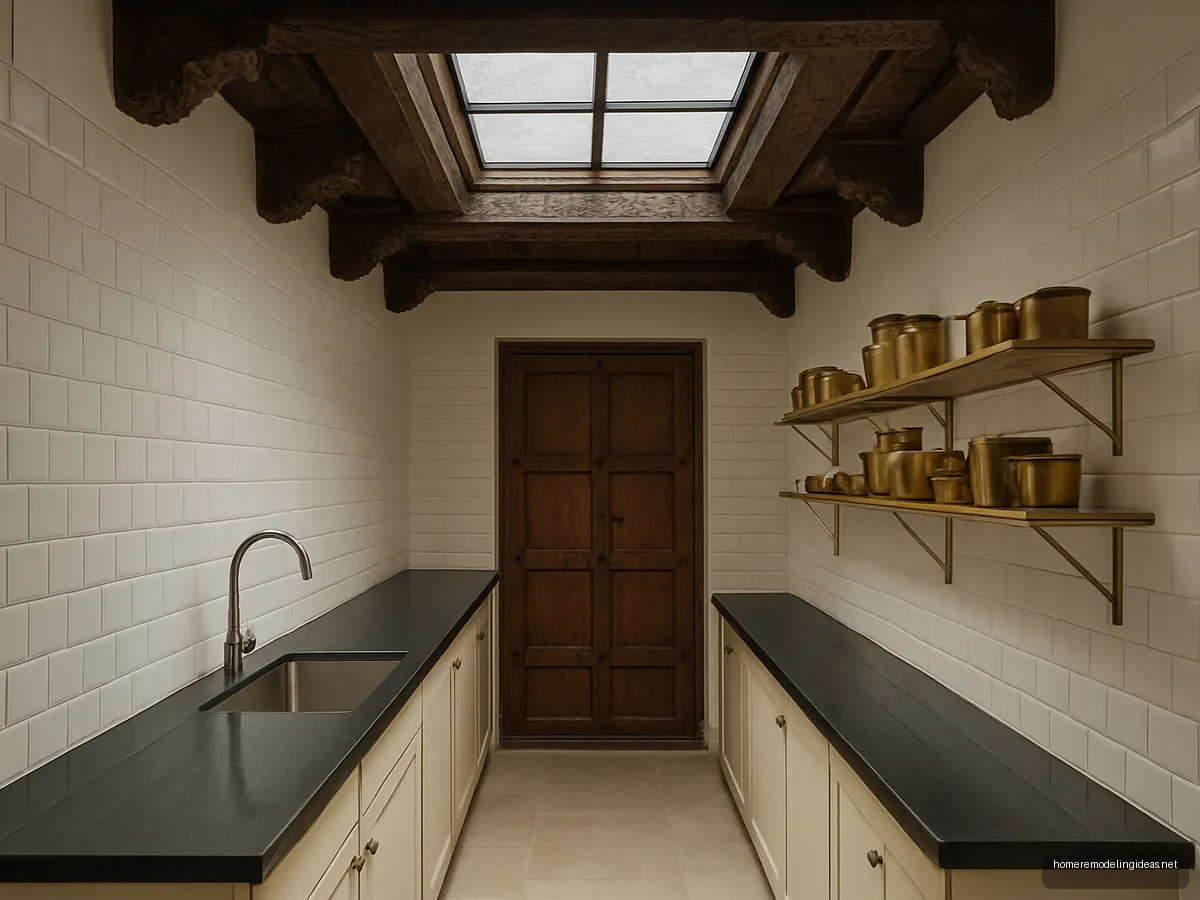
Ahmedabad Pol House Kitchen
In old pol houses the kitchen is often dark and narrow. A skylight, white glazed wall tiles and open brass shelves brighten it without changing walls. Check roof waterproofing before adding a skylight.
 07
1980s Flat Kitchen Update
Many older flats have a tiled platform with open shelves below. Adding modular shutters on the existing slab, a new sink and a chimney upgrades the kitchen without breaking the platform.
 08
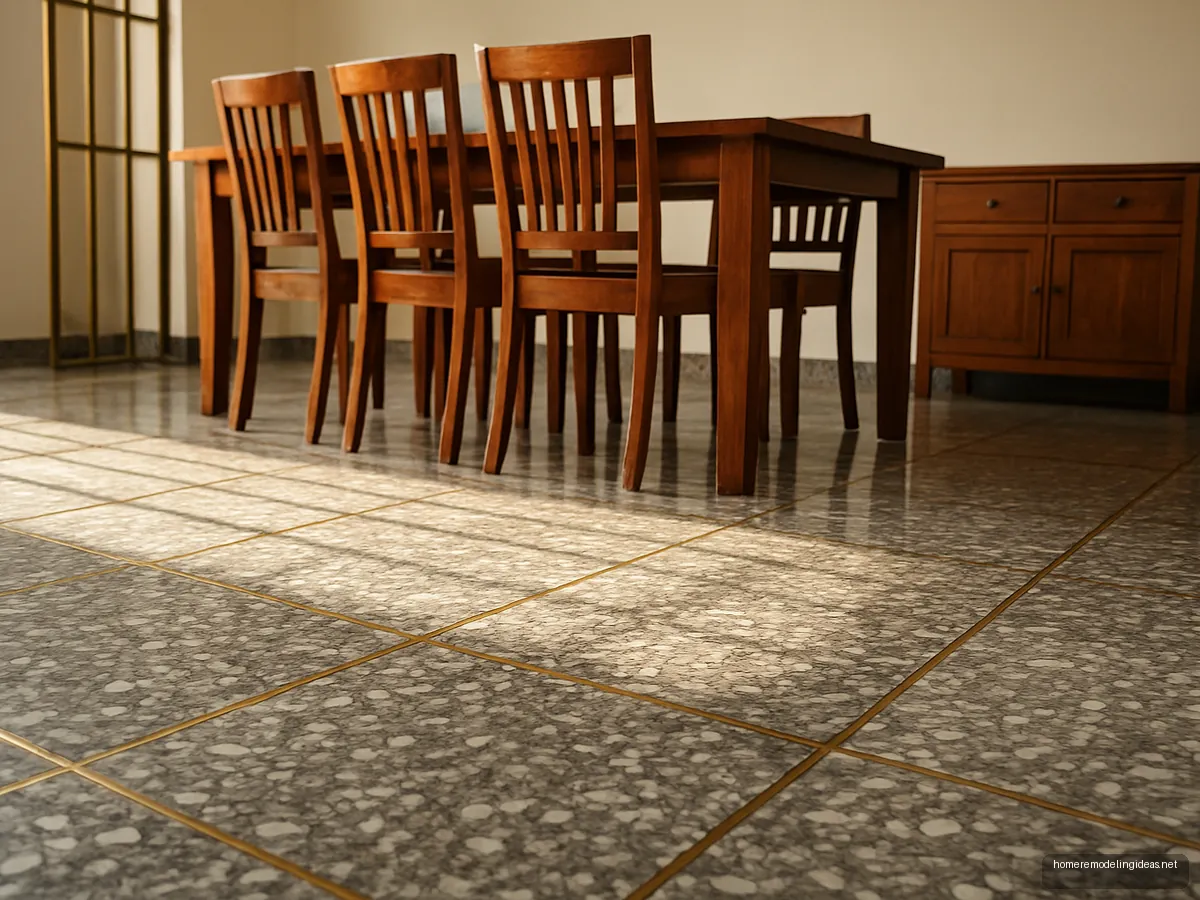
Mosaic Floor Polished Back
Old chips mosaic floors can be ground and polished to look new again. It is often a better choice than laying vitrified tiles over them, and it keeps the original character.
 09
Goa Portuguese Style Revival
Bright lime-washed walls, oyster shell windows and a balcao seat out front define old Goan homes. Restore the shell panes and use clay tiles that match the original roof profile.
 10
Chettinad Tile Hallway
Handmade Athangudi style cement tiles in an entrance hall bring pattern and take heavy foot traffic well. Keep walls plain so the floor carries the look.
 11
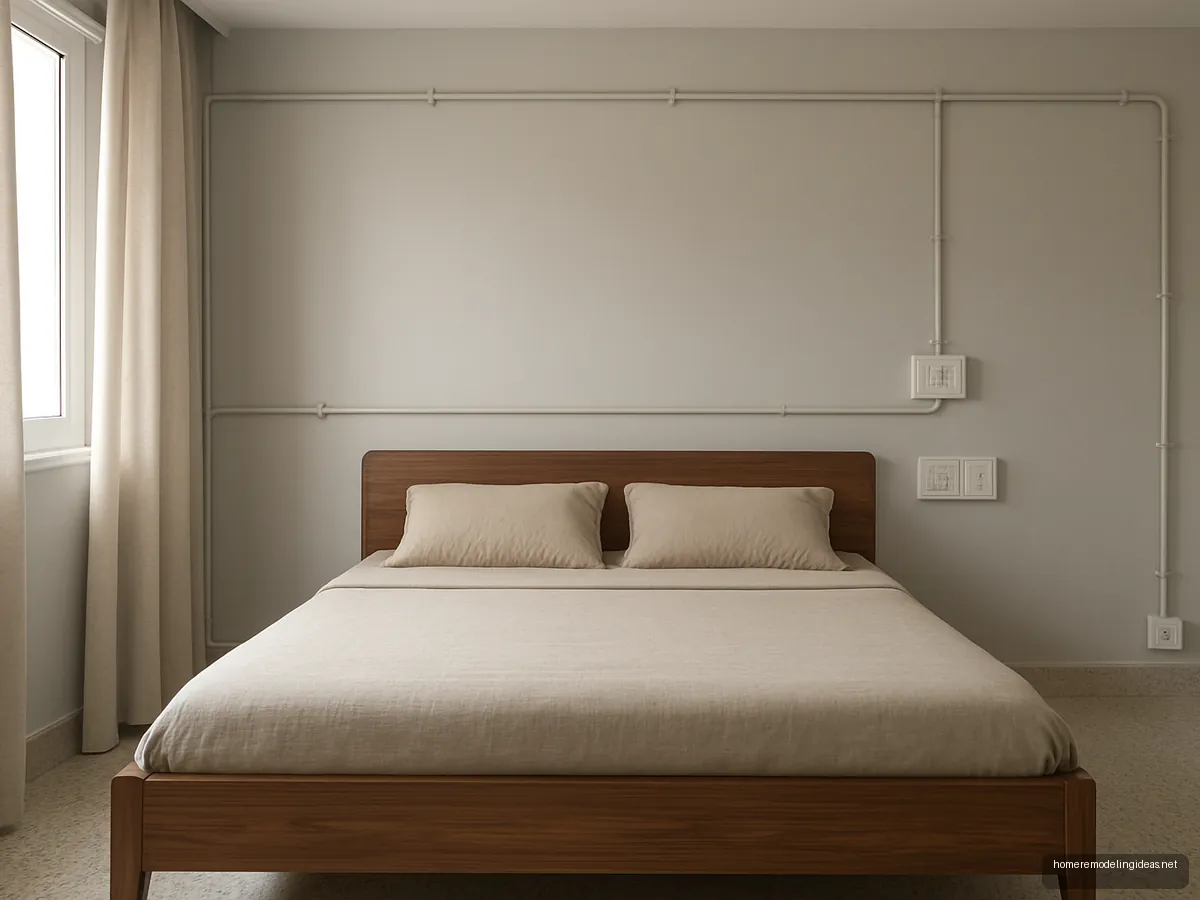
Rewired Bedroom With Surface Conduits
When chasing concealed wiring into fragile old walls is risky, neat surface conduits painted the wall colour can work. Group switches at bed height and add enough sockets for today's devices.
 12
Bathroom Rebuilt From Slab Up
In old bathrooms, seepage often comes from failed waterproofing under the tiles. Redoing the base with new waterproofing, then light anti-skid tiles, works better than retiling over the old floor.
 13
Wooden Staircase Restored
Old teak staircases are worth sanding and repolishing rather than replacing. Fix loose balusters, add a slim LED strip under the handrail and keep the original newel post.
 14
Jaali Screen Old Courtyard
Adding a carved jaali screen to an old courtyard or balcony gives privacy and airflow. Stone or wooden jaalis suit heritage homes better than flat metal panels.
 15
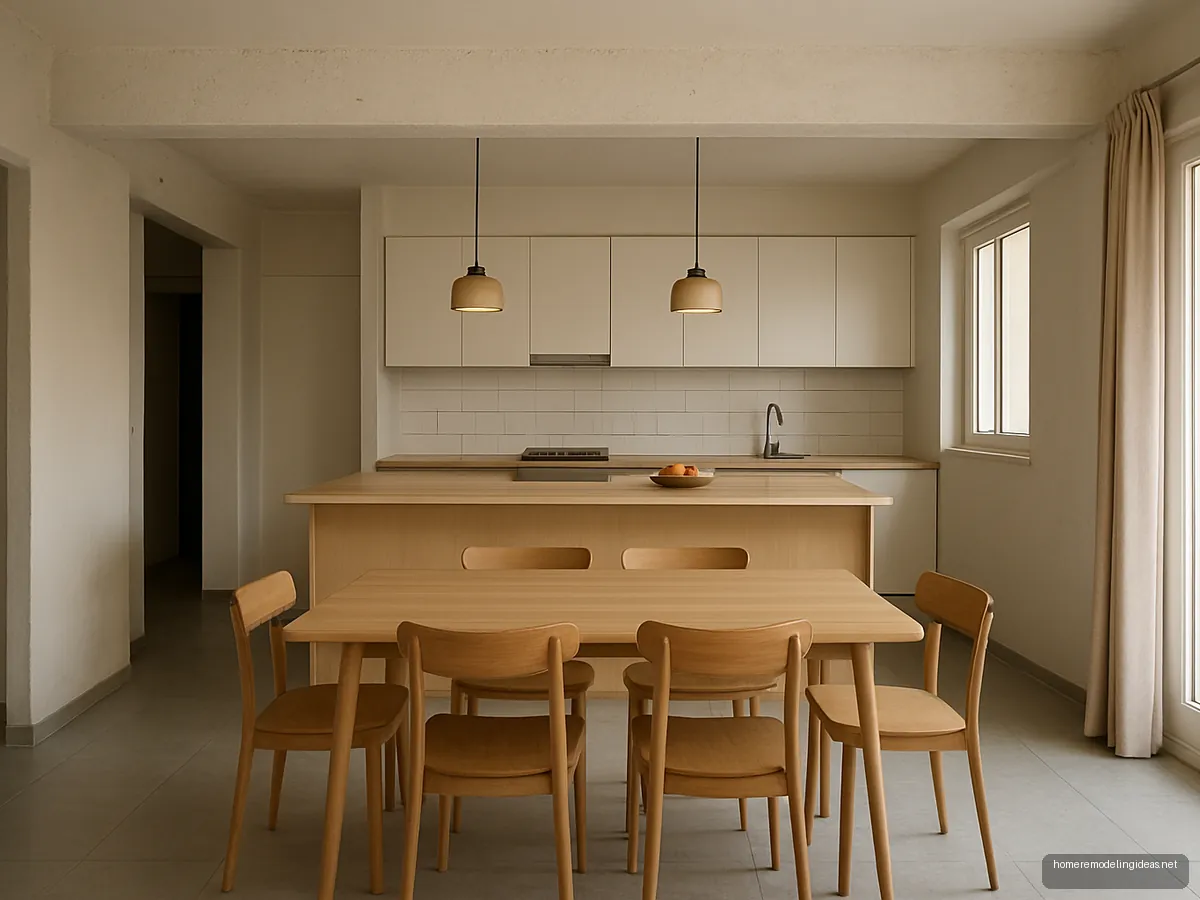
Open Plan From Two Rooms
Merging a small kitchen and dining room is a common old flat change, but only if the wall is not load-bearing. Get an engineer to confirm before demolition and leave any beam visible.
 16
Terrace Room Lime Plaster
Top-floor rooms in old houses heat up fast. Lime plaster, a reflective roof coating and cross-ventilation windows make them liveable. Treat the roof slab first if the ceiling shows damp patches.
Illustrative design concepts. Sizes, finishes and prices vary by maker and city, so confirm details with your designer or carpenter.
Renovating an old house in India is mostly about what you cannot see: the slab, the pipes in the walls, the wiring and the damp. A fresh coat of paint on top of seepage will peel in one monsoon. This page puts the checks first, then shows old house renovation ideas that keep the good parts of an older home, like red oxide floors, teak doors and high ceilings, while fixing what has aged.
If you are still deciding the scope, our home renovation checklist helps you list every room, and the renovation cost guide covers sourced price ranges.
What to check first in an old house
Before choosing tiles or colours, walk the house with three questions: is the structure sound, where is water getting in, and how old is the wiring? Work through them in this order:
- Structure. Look for diagonal cracks near beams and columns, rusted steel showing through plaster, sagging slabs and spalling concrete on balconies. Hairline plaster cracks are common; wide or growing cracks are not.
- Seepage and damp. Check under windows, around bathrooms, below the terrace and behind kitchen walls. Salt deposits, bubbling paint and a musty smell all point to water. We found no official Indian guidance on damp, so treat a waterproofing contractor's survey as the starting point.
- Wiring. Havells notes that after about 25 years wiring becomes more prone to crumbling insulation and should be replaced. If your wiring is older than that, or you see cloth-covered cables or old fuse boxes, budget for full rewiring.
- Plumbing. Galvanised iron pipes rust inside and reduce flow. We found no reliable source for pipe life span, so judge by pressure, rust-coloured water and leaks.
- Doors, windows and wood. Tap wooden frames for hollow sounds that suggest termites, and check that shutters close properly.
Structural audits and engineer reports
Age matters legally in some cities. In Mumbai, section 353-B of the MMC Act makes a structural audit mandatory for buildings over 30 years old (age counted from the BMC completion certificate), done by a BMC-empanelled structural engineer, as summarised by Lawyers Club India. Navi Mumbai's civic body similarly required audits of buildings over 30 years, as reported in 2025.
housing.com (2025) also advises getting a licensed structural engineer's stability report before altering flooring, plumbing lines or the layout, and reports that societies may require this report plus an indemnity bond. In practice, never remove a wall, cut a beam or enlarge a window opening in an old building without an engineer's sign-off.
Permissions in apartments
Rules differ by city, so check with your society and local body. As reported by housing.com for Mumbai, tenantable repairs such as plaster, paint, tiles, WC repair and pipe replacement need no Commissioner permission but a society NOC is mandatory. Non-tenantable work, like removing partitions or shifting a toilet or windows that affect beams, columns or load-bearing walls, needs written Commissioner approval plus the society NOC.
For Bengaluru, onecityproperty.com reports that structural changes and extensions need approval, while painting, tiling, like-for-like doors and windows and rewiring generally do not; an RWA or association NOC is practically mandatory for work touching structure or common areas.
What to keep and what to replace
| Element | Usually worth keeping | Usually replace |
|---|---|---|
| Floors | Red oxide, mosaic, kota stone, terrazzo (polish them) | Cracked tiles that sound hollow |
| Doors and windows | Solid teak or sal frames in good shape | Termite-damaged frames, warped shutters |
| Wiring | Rarely, if over about 25 years old | Old fuse boxes, cloth-insulated cable |
| Plumbing | Recently replaced lines in good condition | Rusted GI pipes, leaking concealed joints |
| Ceilings | High ceilings and wooden rafters | Loose plaster, rusted exposed steel |
Teak heartwood is very durable and termite resistant (Wood Database), and sal heartwood is highly termite resistant (World Agroforestry), which is why old frames in these woods often outlast the walls around them. For new furniture that suits an older home, see our wooden bed designs and wooden sofa designs.
Ceiling heights and false ceilings
Old houses often have generous ceilings, and it is tempting to drop a false ceiling to hide new wiring. According to infralens.in, citing NBC 2016, habitable rooms should have a minimum height of 2.75 m (2.40 m for air-conditioned rooms), measured to the lowest ceiling point, so a false ceiling must still leave that height. Those clause references are not verified against the code text, so treat them as a guide and check local bye-laws. A cove only around the edges keeps most of the height and still hides cables.
Budget: what old houses cost to renovate
Old homes often cost more than the same area in a newer flat because of hidden repairs. NoBroker (updated July 2026) lists basic renovation at Rs 500 to 800 per sq ft, mid at Rs 1,000 to 1,500 and premium at Rs 1,800 to 2,500, without defining inclusions. Brick&Bolt (August 2025) gives higher figures: Rs 1,500 to 2,500 basic, Rs 2,500 to 4,000 mid and Rs 4,000 plus premium. These are sourced ranges, not quotes; get itemised estimates.
Keep a contingency for surprises found once walls are opened. If you plan to borrow, our home renovation loan guide explains how banks treat repair work; rates change, so always check the lender's current page.
Design ideas that respect an older home
- Polish, do not cover. Old floors and teak doors often look better restored than replaced.
- Lime or mineral paints let old walls breathe better than thick plastic emulsions.
- Keep the light. Big windows and ventilators were built for a reason; do not block them with heavy curtains.
- Mix old and new. A modern kitchen next to a restored wooden staircase looks deliberate when colours repeat.
- Simple furniture. Low, clean-lined pieces let original details stand out. Browse our living room furniture ideas for options.
Frequently asked questions
Old house renovation kaise shuru karein?
Start with an inspection, not a design. Check structure, seepage, wiring and plumbing first, then fix those in that order. Only after the base work is done should you plan finishes like paint, tiles and furniture. Doing it the other way round usually means breaking new work later to reach hidden problems.
Is it cheaper to renovate an old house or rebuild?
It depends on the structure. If an engineer finds the frame sound, renovation usually costs less and keeps the character. If there is widespread corrosion in slabs and columns, rebuilding may be safer. Get a structural engineer's report and two contractor estimates before deciding, as general rules do not replace a site visit.
When should old wiring be replaced?
Havells says that after about 25 years wiring becomes more susceptible to crumbling insulation and recommends replacement. Signs include warm switches, frequent tripping, burning smells and old fuse boxes. In an old house, rewiring during renovation is easier than later, because walls are already open.
Do I need permission to renovate an old flat?
As reported by housing.com (Mumbai) and onecityproperty.com (Bengaluru), simple repairs like paint and tiles generally do not need municipal approval, but a society or RWA NOC is expected. Work that affects beams, columns, slabs or load-bearing walls needs formal approval. Check your own city's rules.
How do I fix seepage in an old house?
Find the source first: terrace, bathroom, external wall cracks or plumbing. Fixing only the inside wall will not last. A waterproofing contractor can test with moisture meters and suggest terrace treatment, bathroom base waterproofing or external crack filling. Let walls dry fully before repainting.
Should I keep my old red oxide or mosaic floor?
Usually yes, if it is not badly cracked. Both can be cleaned, ground and polished to look fresh, and they wear well. Laying new tiles on top raises floor level, which can affect door bottoms. Test a small patch to see how well it polishes before deciding.
Sources: Havells on old wiring · Lawyers Club India: structural audit · The Realty Today: Navi Mumbai audits · housing.com: BMC repair guidelines · onecityproperty: Karnataka rules · NoBroker: renovation cost · Brick&Bolt: renovation cost · infralens: ceiling height · Wood Database: teak · World Agroforestry: sal. Figures checked 14 October 2026; prices and rates change, so confirm locally.