Wooden Bed Design: Sheesham, Teak and Engineered Wood
A wooden bed is a long-term purchase, so the wood matters as much as the design. Compare sheesham, teak, sal, mango, rubberwood and engineered boards, then pick a style that suits your room.
- Sheesham density (PROTA)
- 750 to 800 kg/m3 at 12% moisture
- Teak (Wood Database)
- 655 kg/m3, Janka 1,070 lbf, termite resistant
- Rubberwood (Wood Database)
- Janka 960 lbf, needs preservative treatment
- Plywood for furniture (Greenply)
- MR grade, 16 to 18 mm for dry interiors
- Queen mattress (Wakefit)
- 60 x 72 or 60 x 78 in
- Standard bed height (Arcedior)
- 60 to 65 cm to mattress top
20 Wooden Bed Design ideas
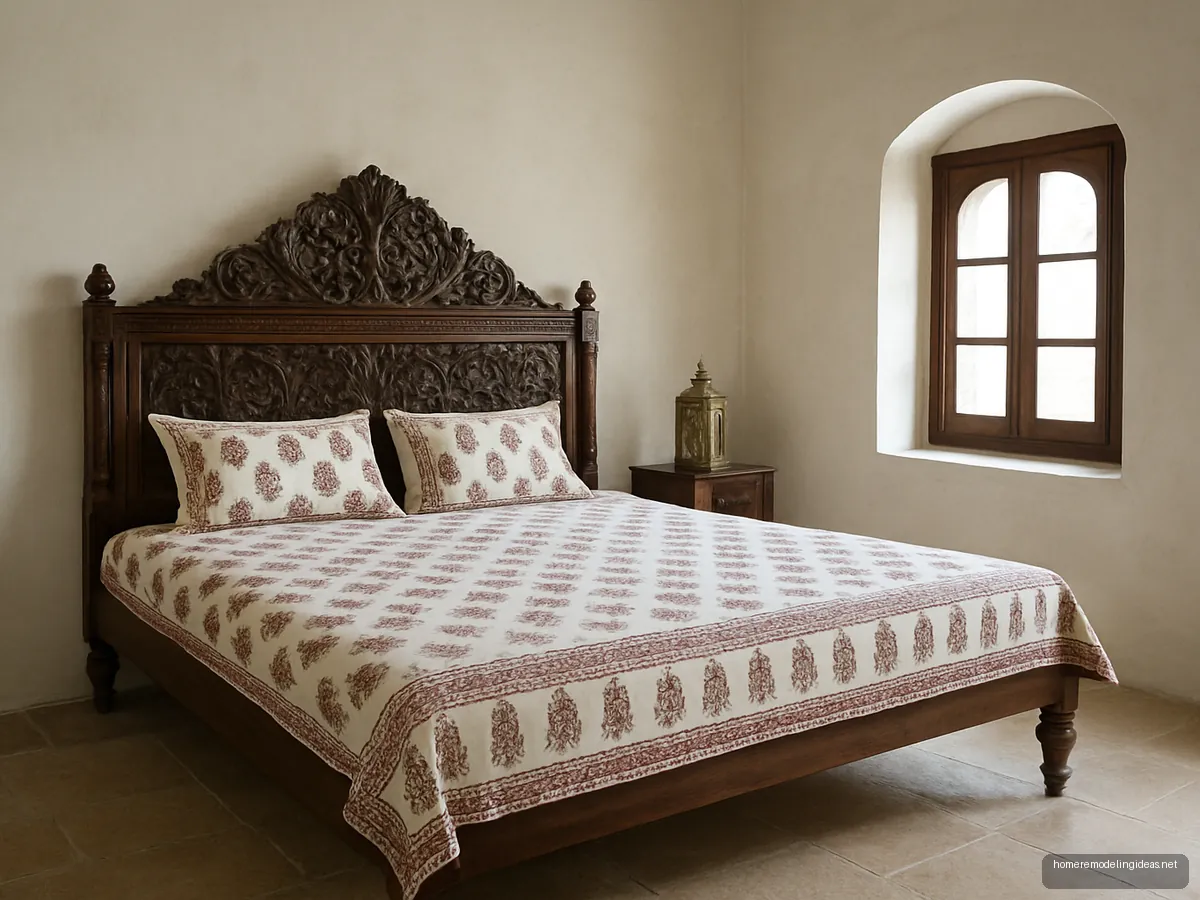 01
Carved Sheesham Rajasthani Palang
A deeply carved sheesham headboard with floral motifs and turned legs. Suits large bungalow bedrooms with traditional decor. Dust carvings weekly with a soft brush to keep the polish looking rich.
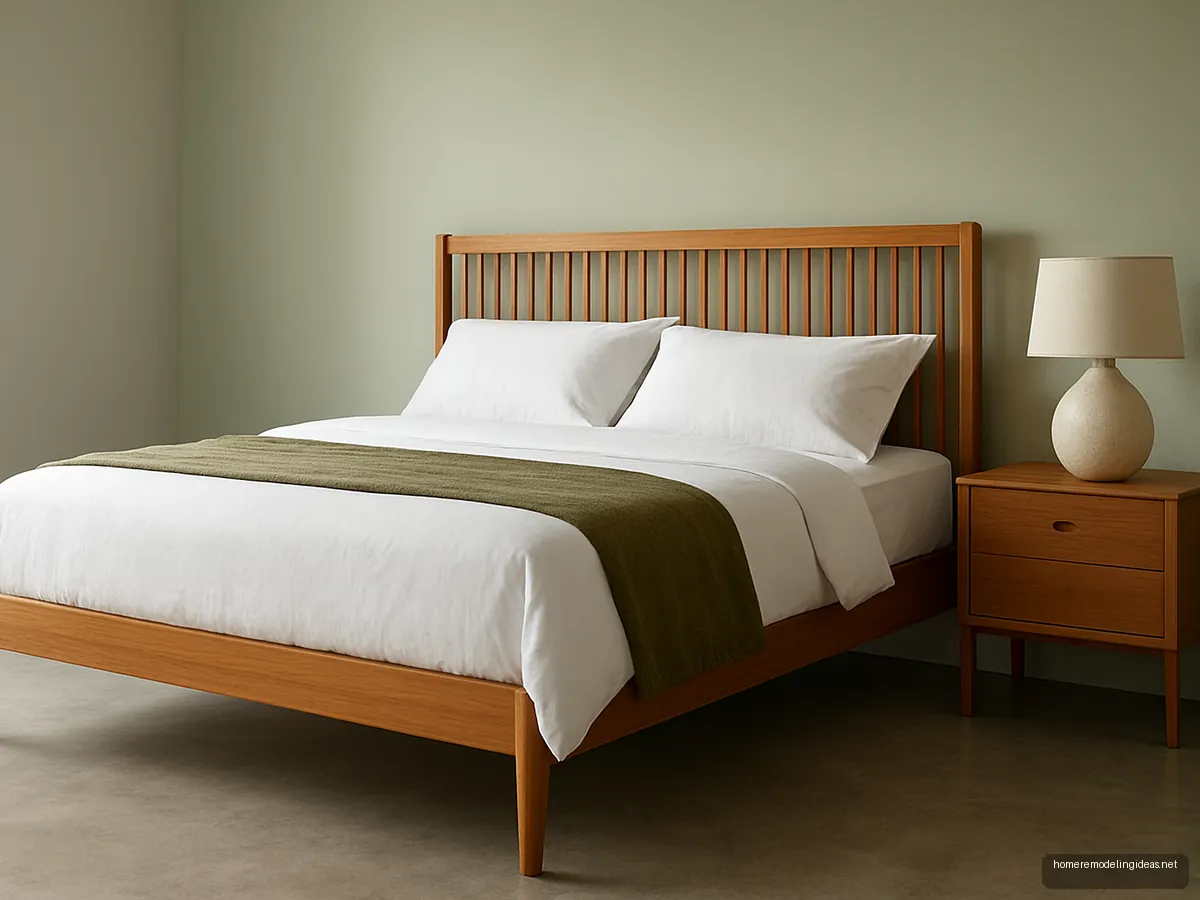 02
Teak Slatted Headboard Bed
Vertical teak slats on a plain frame give warmth without heaviness. Ideal for modern apartments; the slats let the wall colour peek through, so pick a soft backdrop.
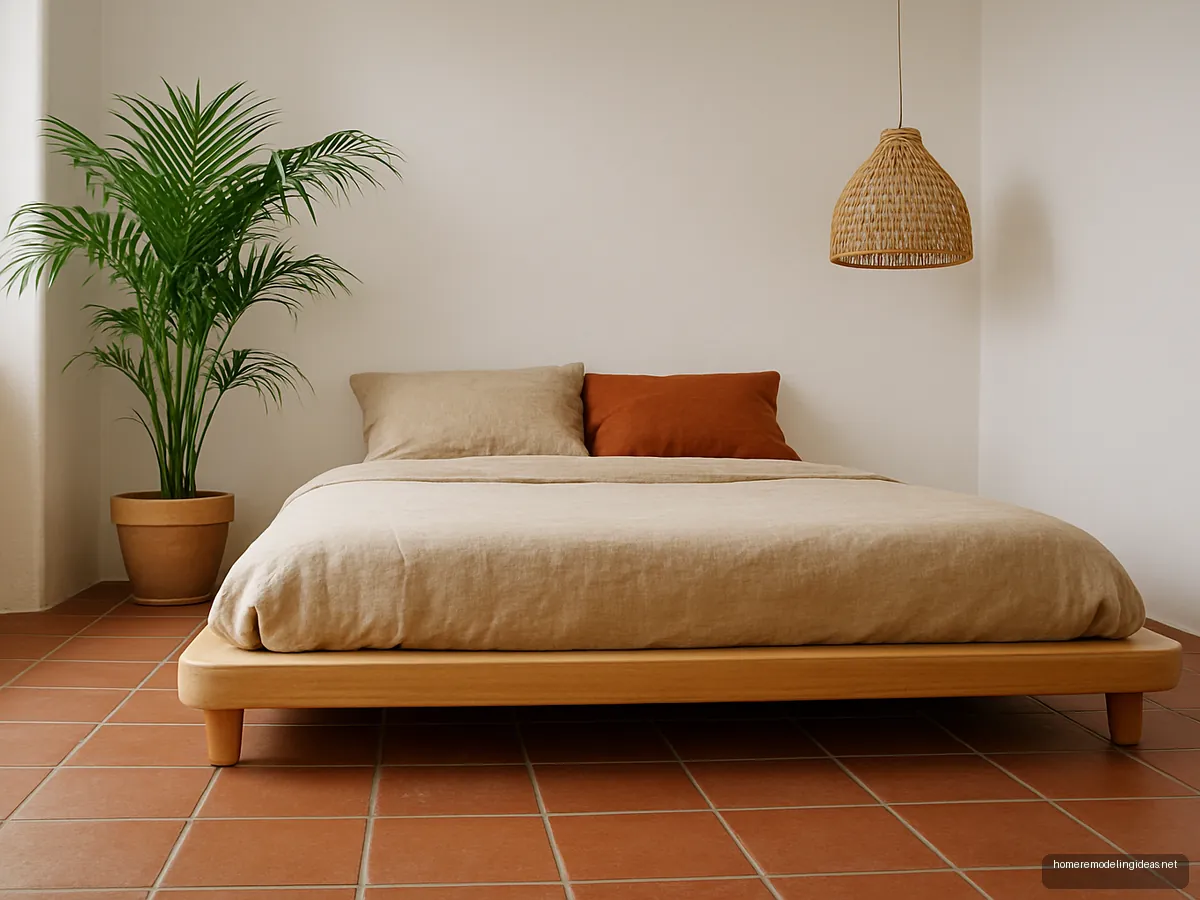 03
Low Mango Wood Platform
A low mango wood platform sitting close to the floor makes small rooms feel taller. Best with treated, kiln-dried timber; keep it a few inches away from damp walls.
 04
Sal Wood Four Poster
A slim sal four poster frame with sheer drapes adds drama without clutter. Sal is very durable, which suits a heavy frame. Needs a ceiling of at least standard height.
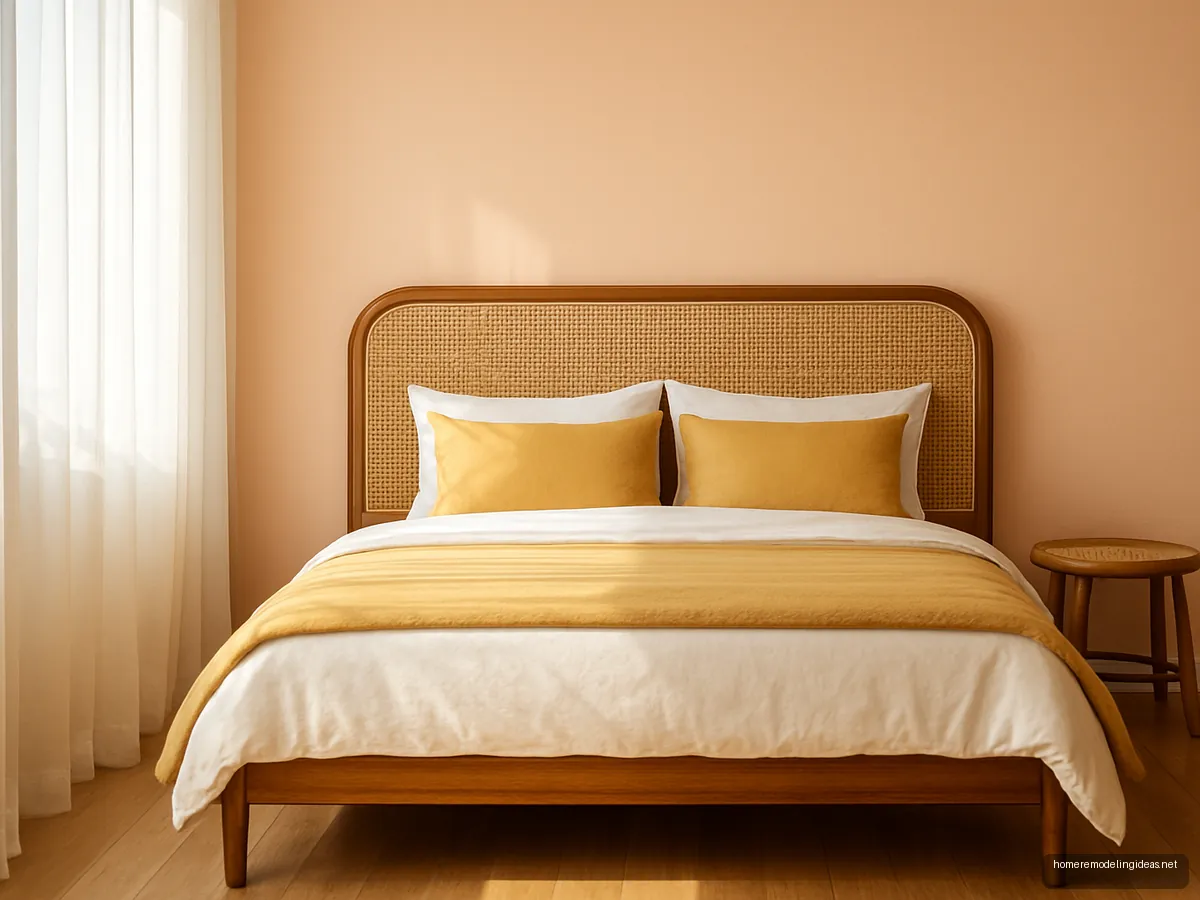 05
Cane Panel Teak Bed
A woven cane inset in the headboard keeps the bed light and breathable. Pairs well with pastel walls; protect cane from direct sun to stop it drying out.
 06
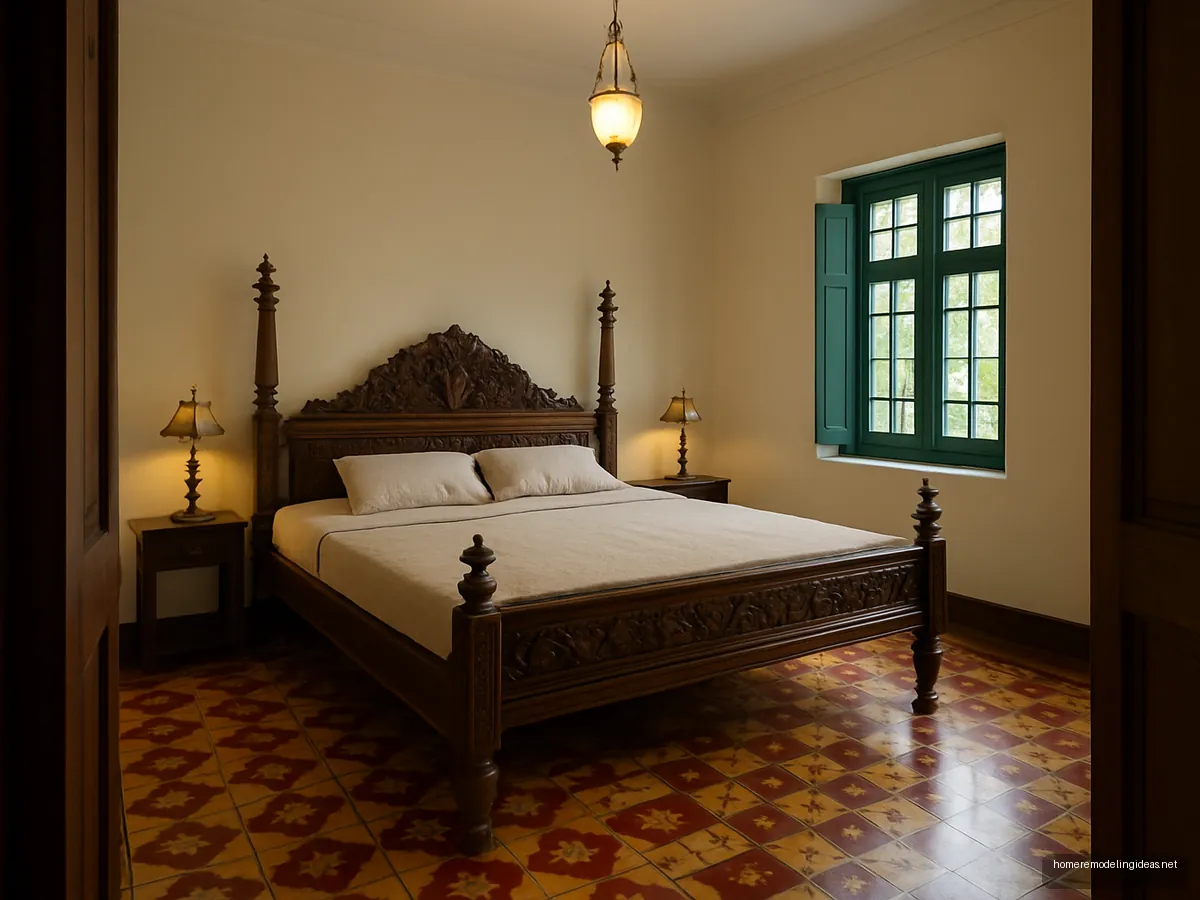
Chettinad Style Carved Cot
Inspired by Chettinad mansions: carved posts, a low footboard and a wide headboard panel. Works best in homes with heritage tiles or Athangudi floors, and needs a fairly large room.
 07
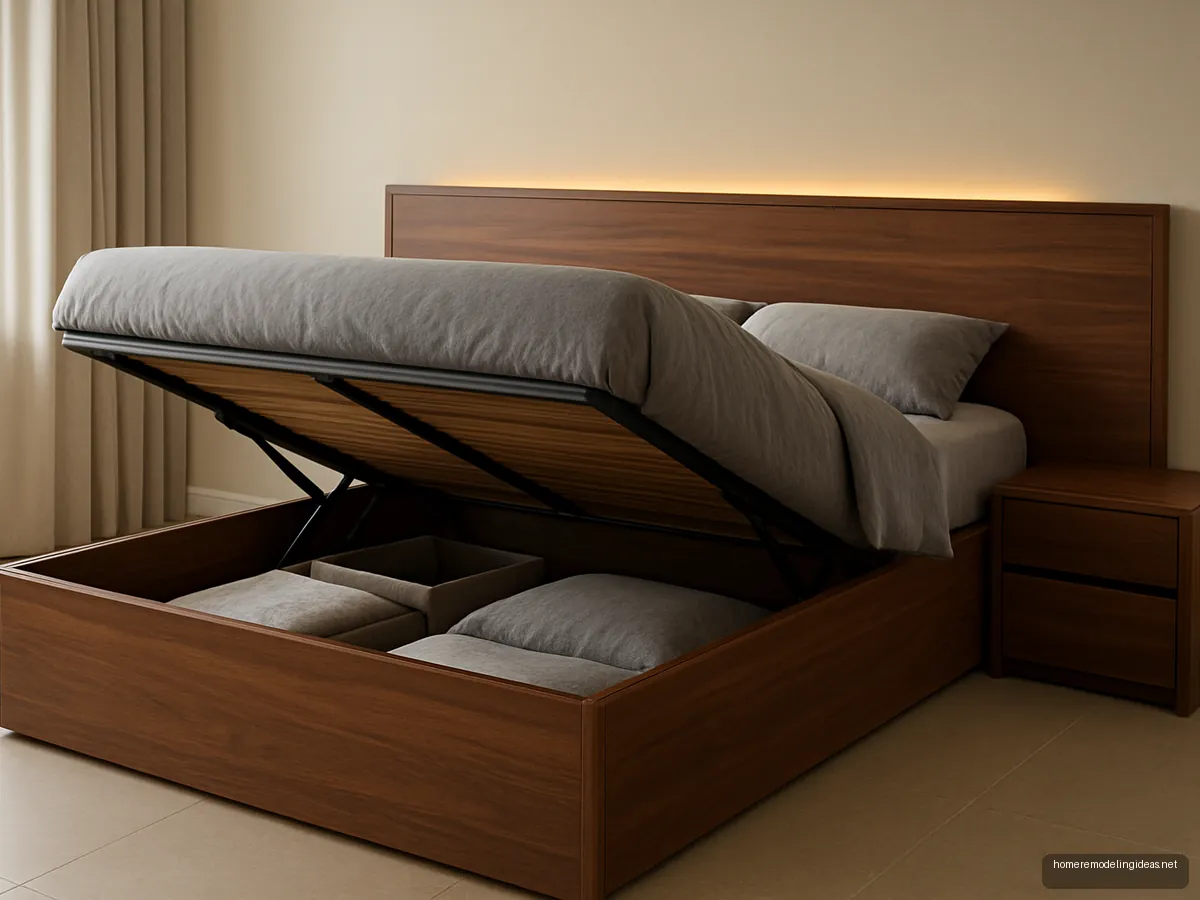
Walnut Veneer Storage Bed
Plywood box with walnut veneer gives a solid wood look with full under-bed storage. A good option for 2 BHK master bedrooms; choose E1 rated boards.
 08
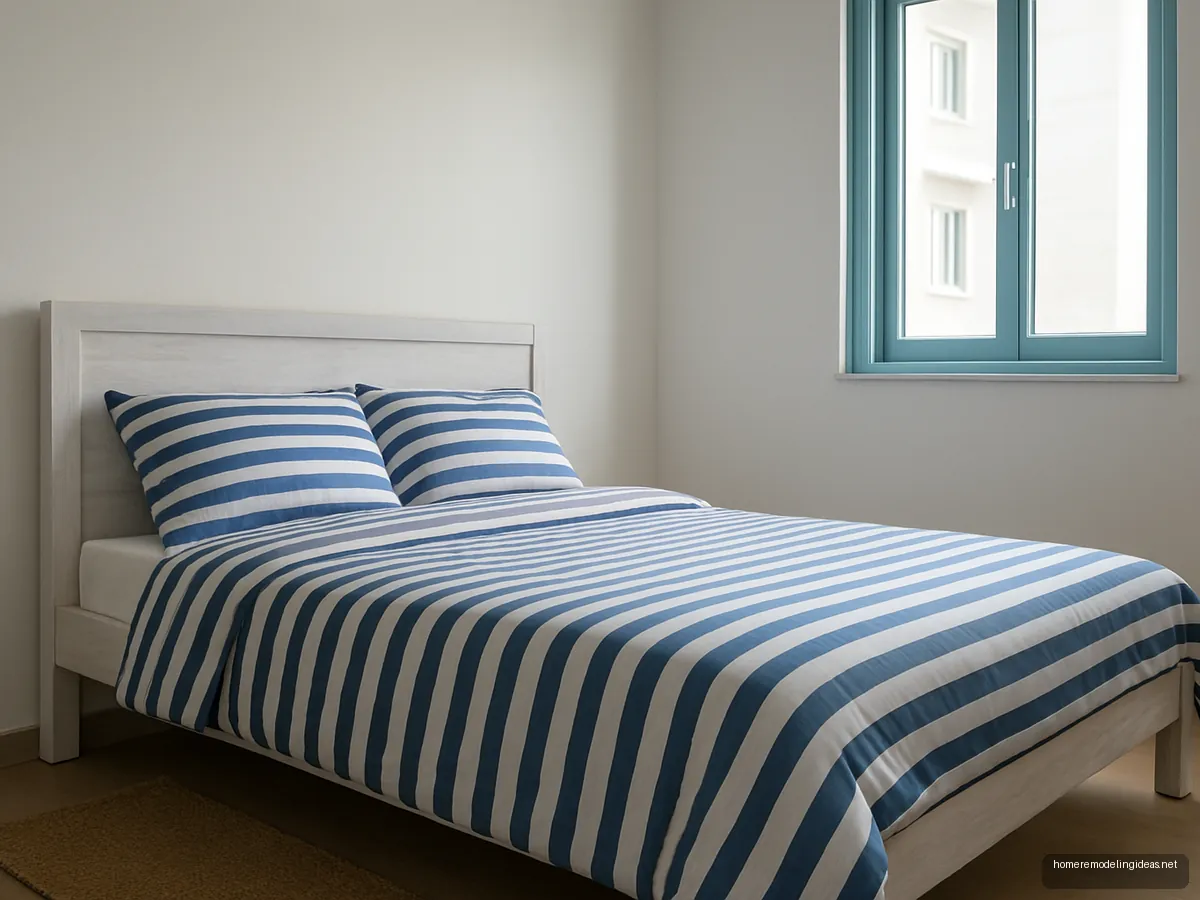
Whitewashed Pine-Look Bed
A whitewashed finish on plain wood keeps a small bedroom airy and calm. Good for coastal homes and kids rooms that will become guest rooms later.
 09
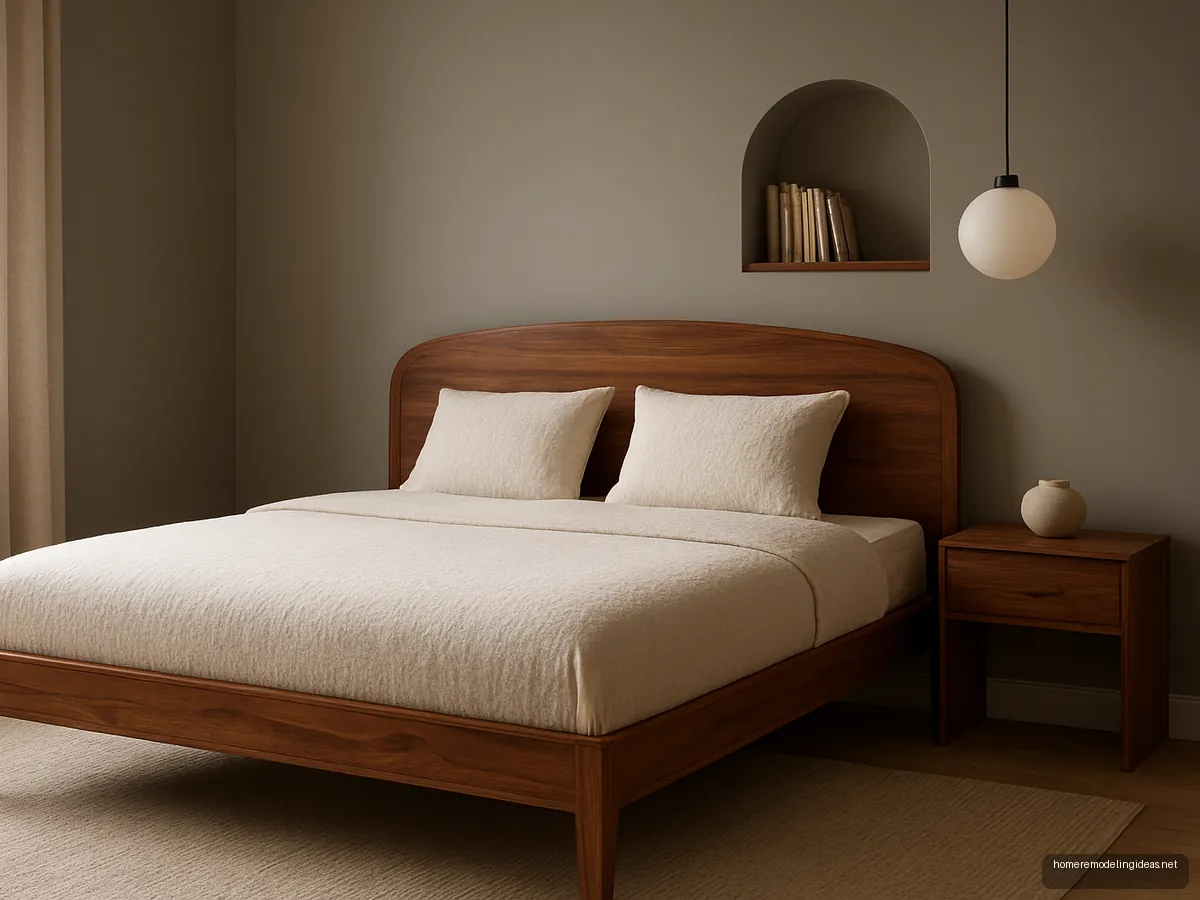
Curved Headboard Sheesham
A gently curved sheesham headboard softens a boxy room. Modern but still warm, and safer for kids than sharp corners; choose a natural polish so the grain stays visible.
 10
Japanese Style Floor Bed
A slatted wooden base only a few inches high, inspired by Japanese floor beds. Very minimal and suited to younger couples; airflow under the slats matters in humid cities.
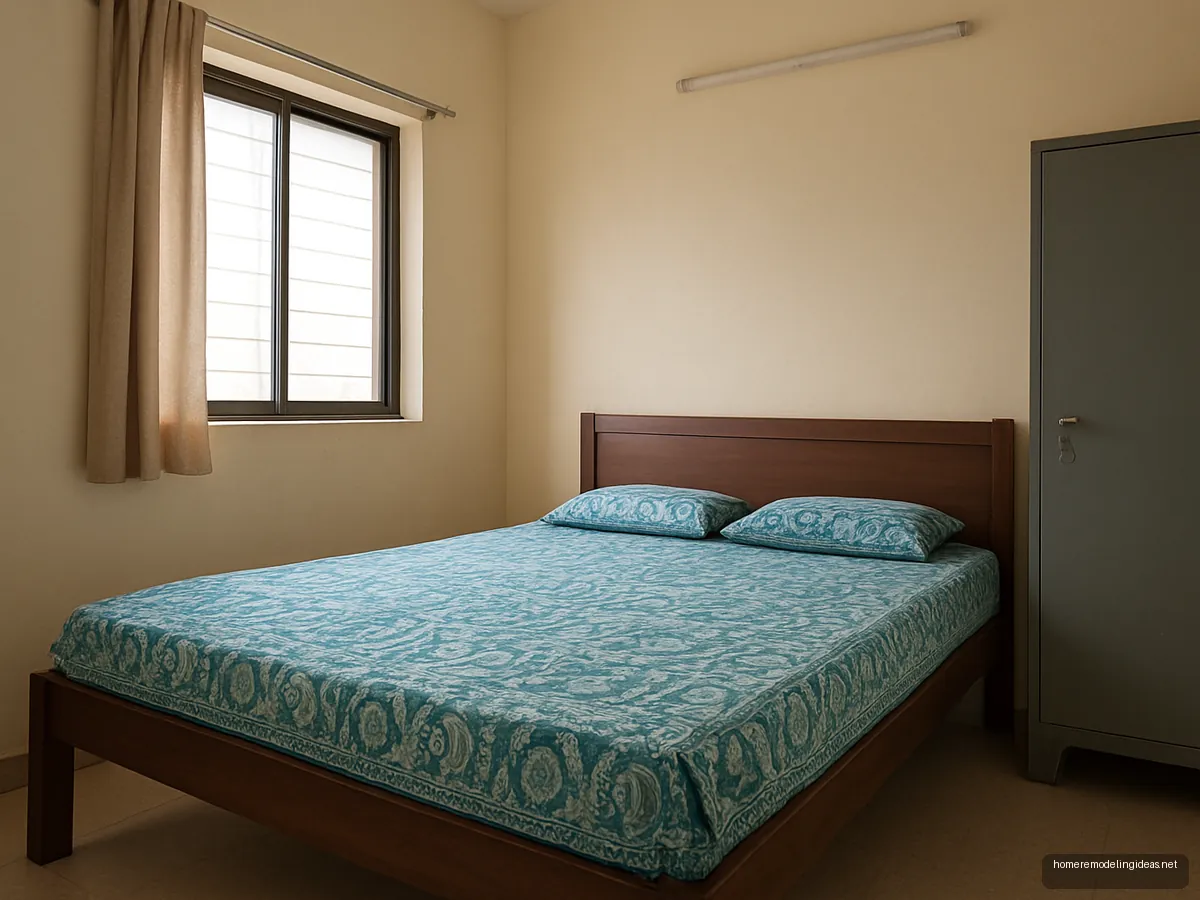 11
Rubberwood Budget Double Bed
A plain treated rubberwood bed with a walnut stain looks smart at a lower budget. Ask the seller to confirm pressure treatment before you buy.
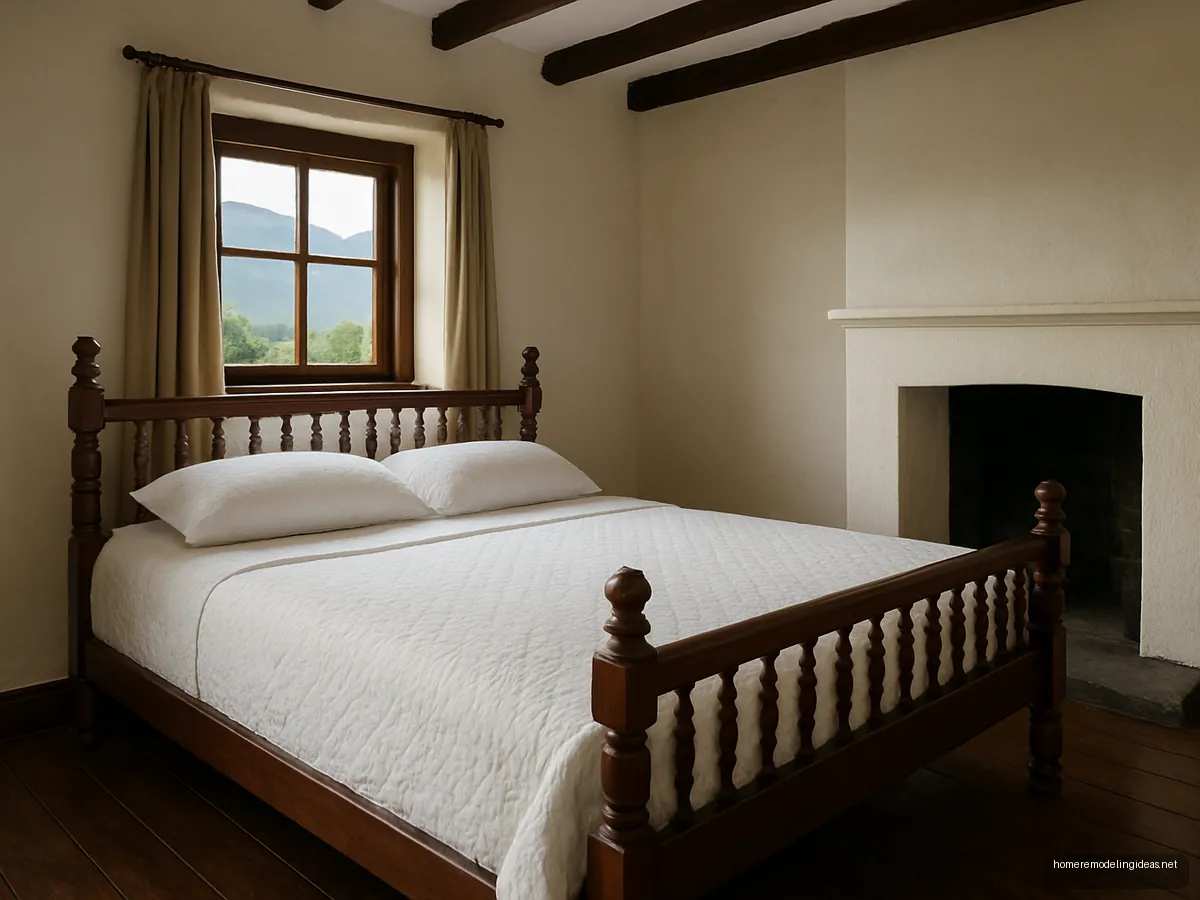 12
Colonial Spindle Bed
Turned spindles on head and foot boards give an old colonial bungalow feel. Pair with a dark floor and white walls for contrast, and dust the spindles with a soft cloth.
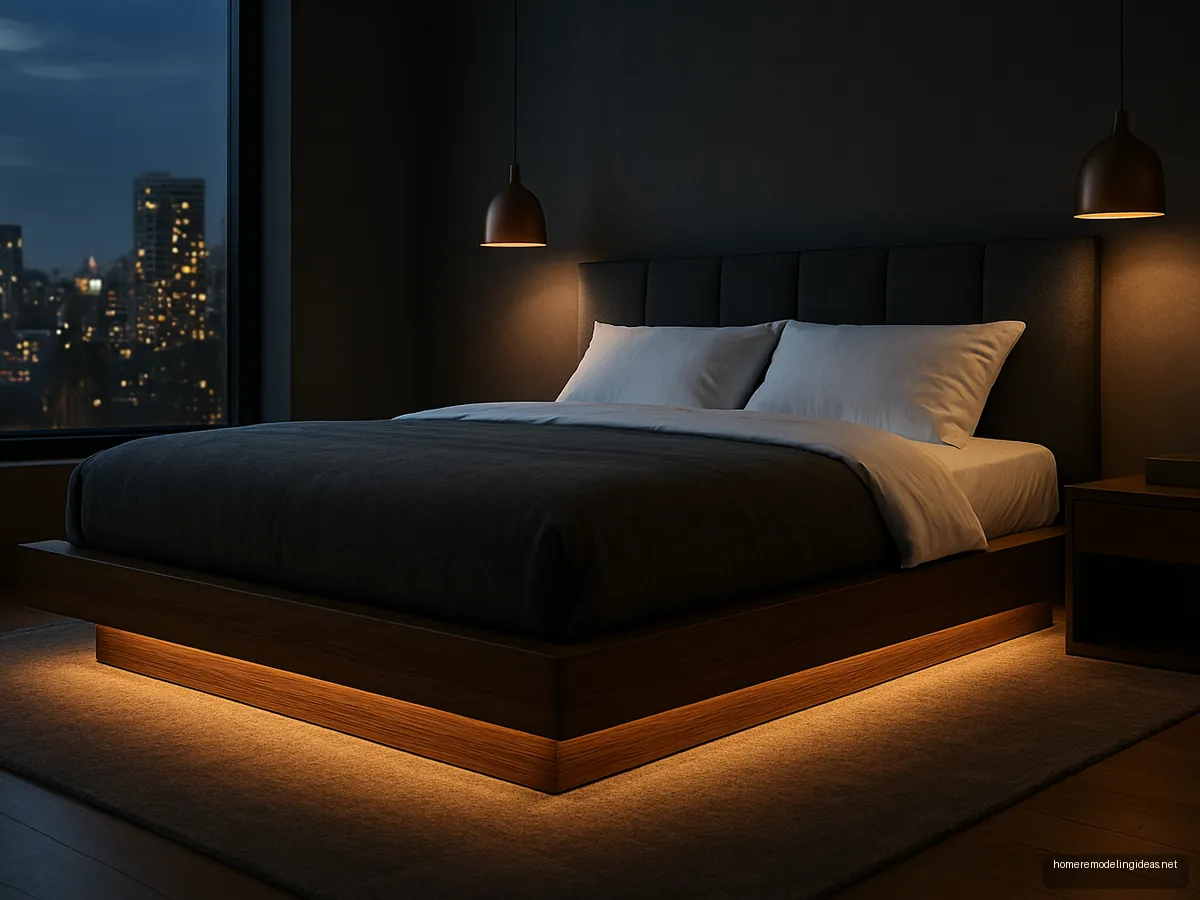 13
Floating Teak Platform With Lights
A recessed base and hidden LED make the teak platform appear to float. Looks premium, keeps the floor easy to mop and suits couples who like a hotel-style room.
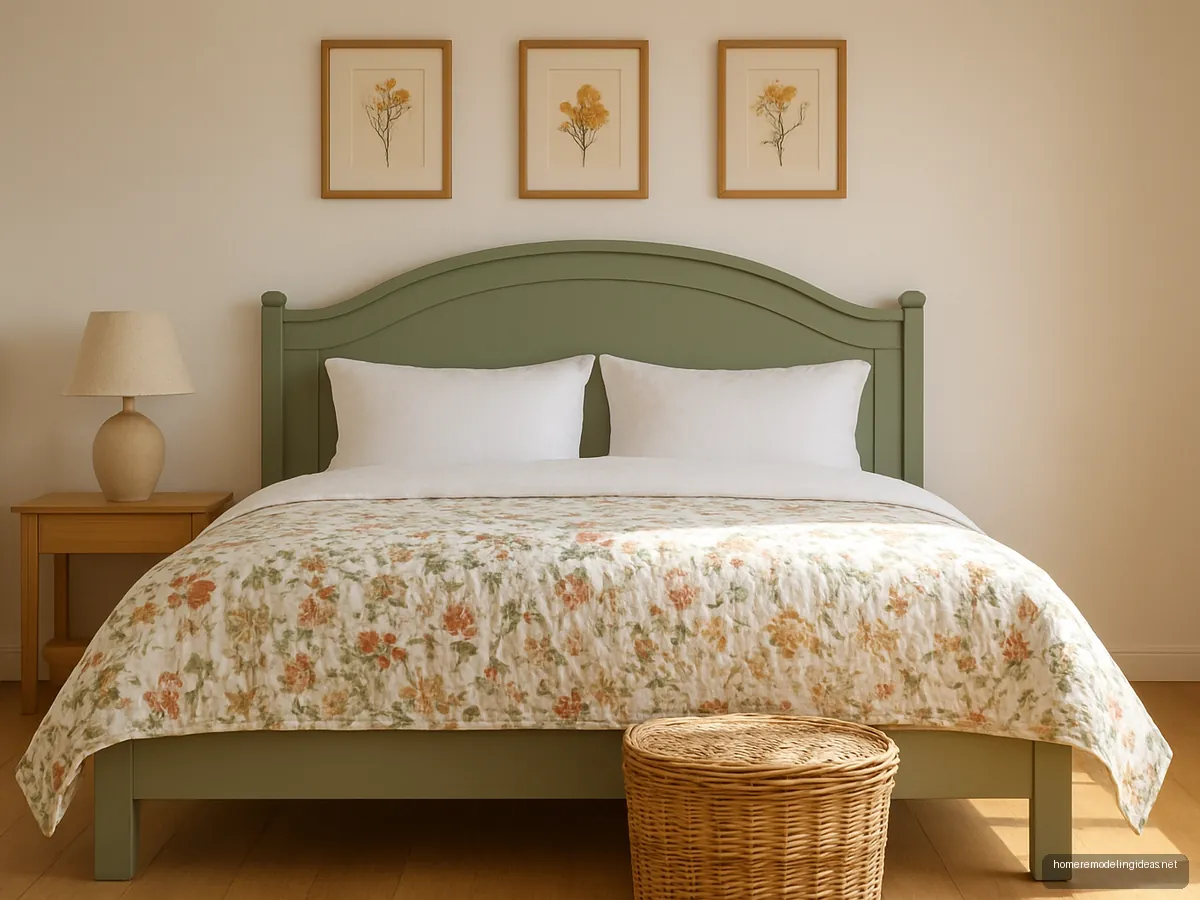 14
Painted Sage Wooden Bed
A plain wooden bed painted matte sage is a smart way to use a budget wood and still look stylish. Easy to repaint later in a new colour.
 15
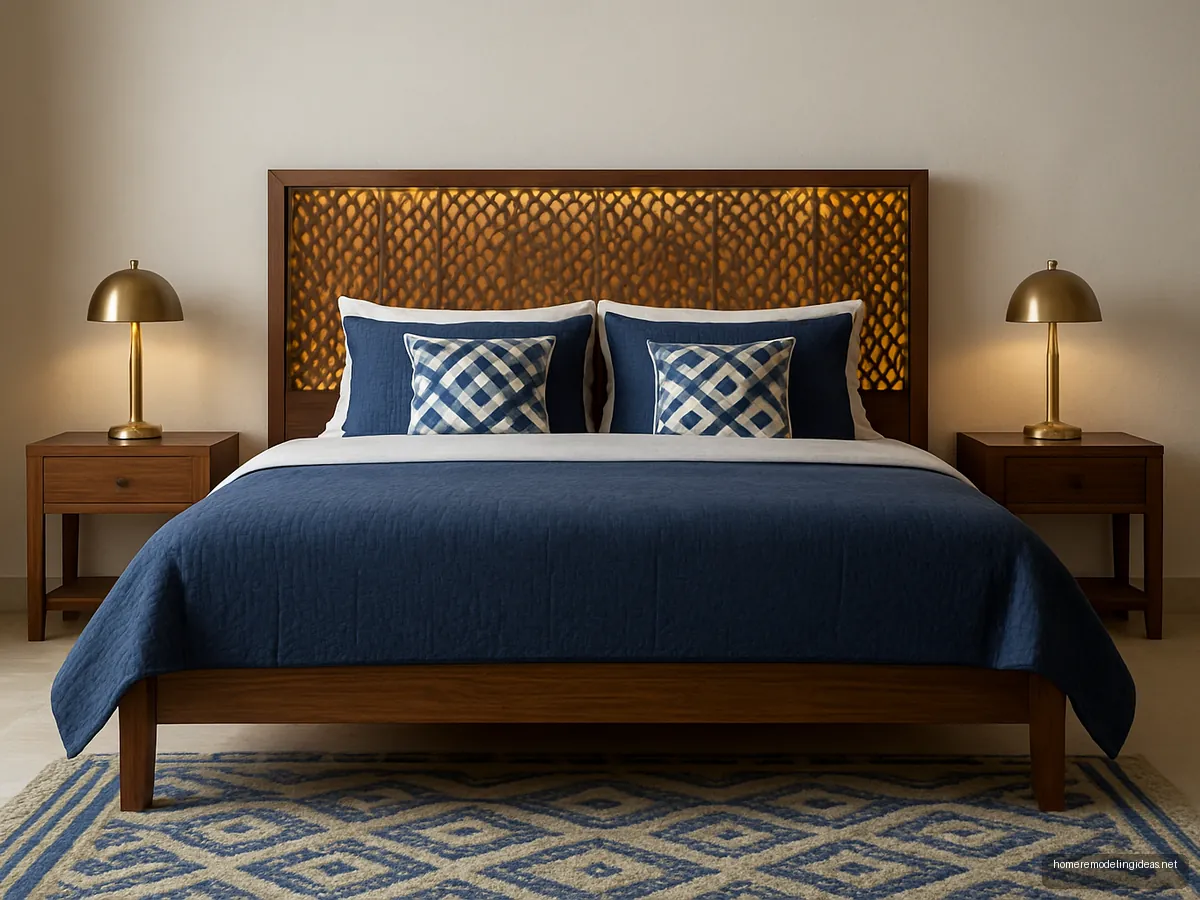
Jaali Headboard Bed
A CNC-cut jaali panel in the headboard brings Indian pattern without heavy carving. Backlight it with a warm strip for a soft night glow that doubles as a night light.
 16
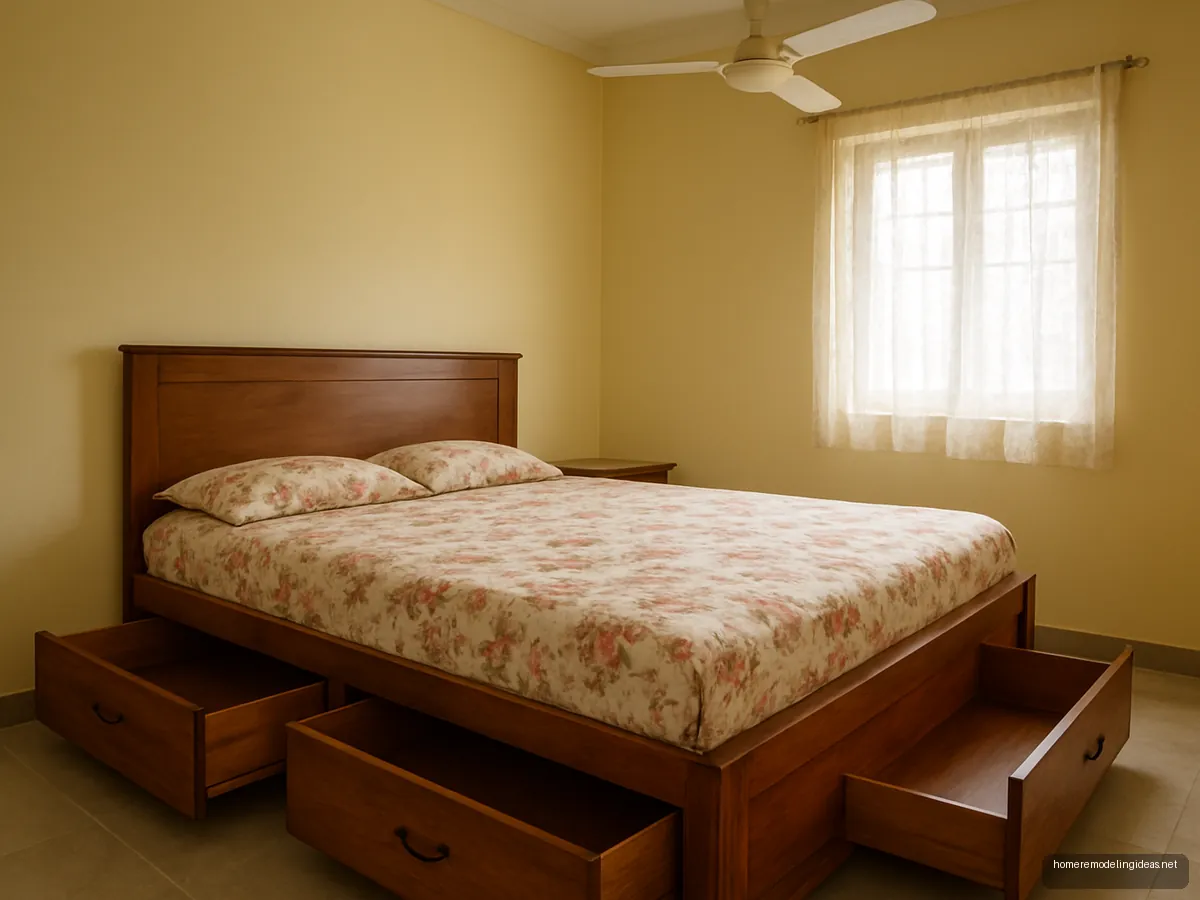
Box Khat With Drawers
A traditional box khat updated with two wide side drawers so you do not have to lift the mattress for daily items. Needs side clearance for drawers to open.
 17
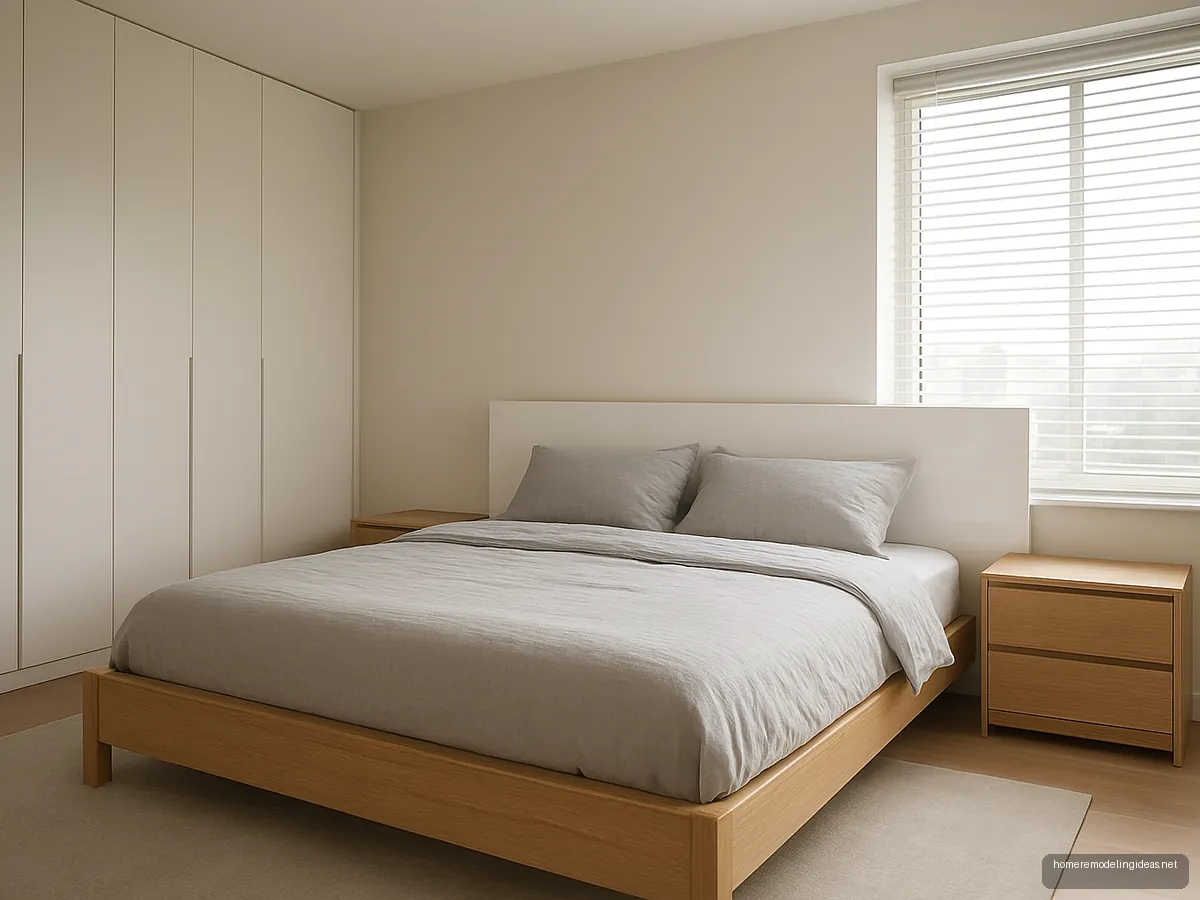
Two-Tone Oak and White Bed
Natural oak frame with a white laminated headboard panel balances warmth and brightness. A good choice for north-facing rooms with less light and for couples with mixed tastes.
 18
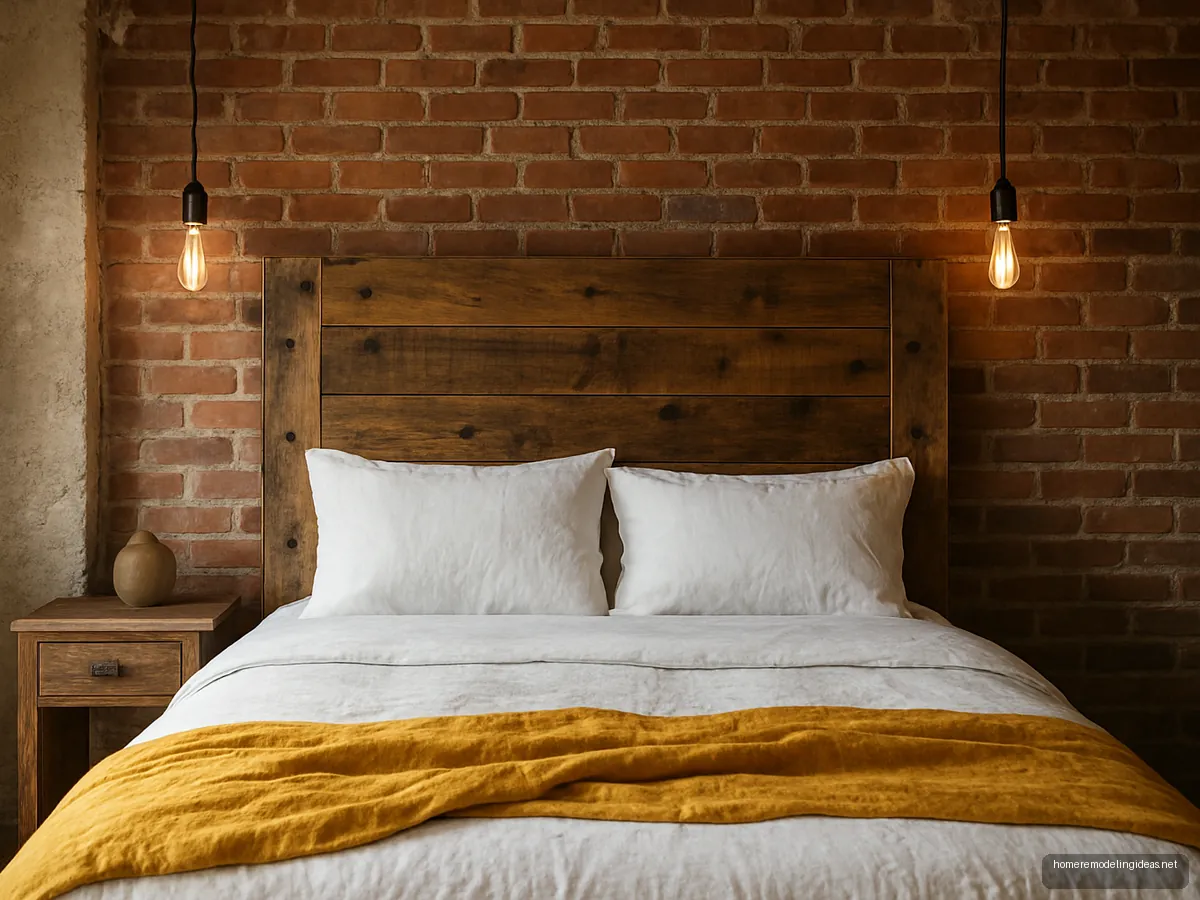
Reclaimed Wood Rustic Bed
A headboard made from reclaimed planks in mixed tones gives a rustic, one-off look. Ensure the planks are sanded smooth, treated for borers and sealed before assembly.
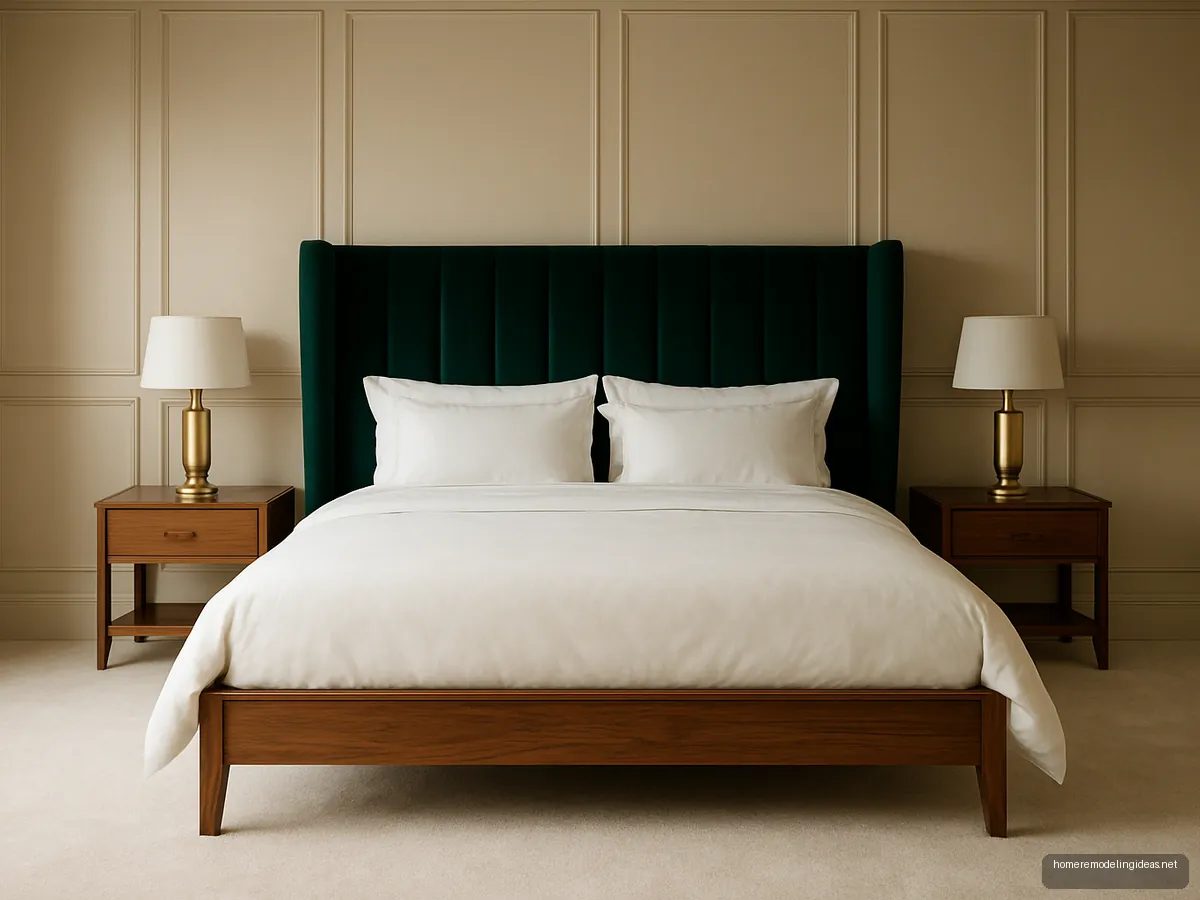 19
Upholstered Teak Wingback Bed
A teak frame with tall wing-shaped upholstered headboard in emerald velvet. Luxurious and comfortable for reading in bed in a large master room; vacuum the fabric monthly.
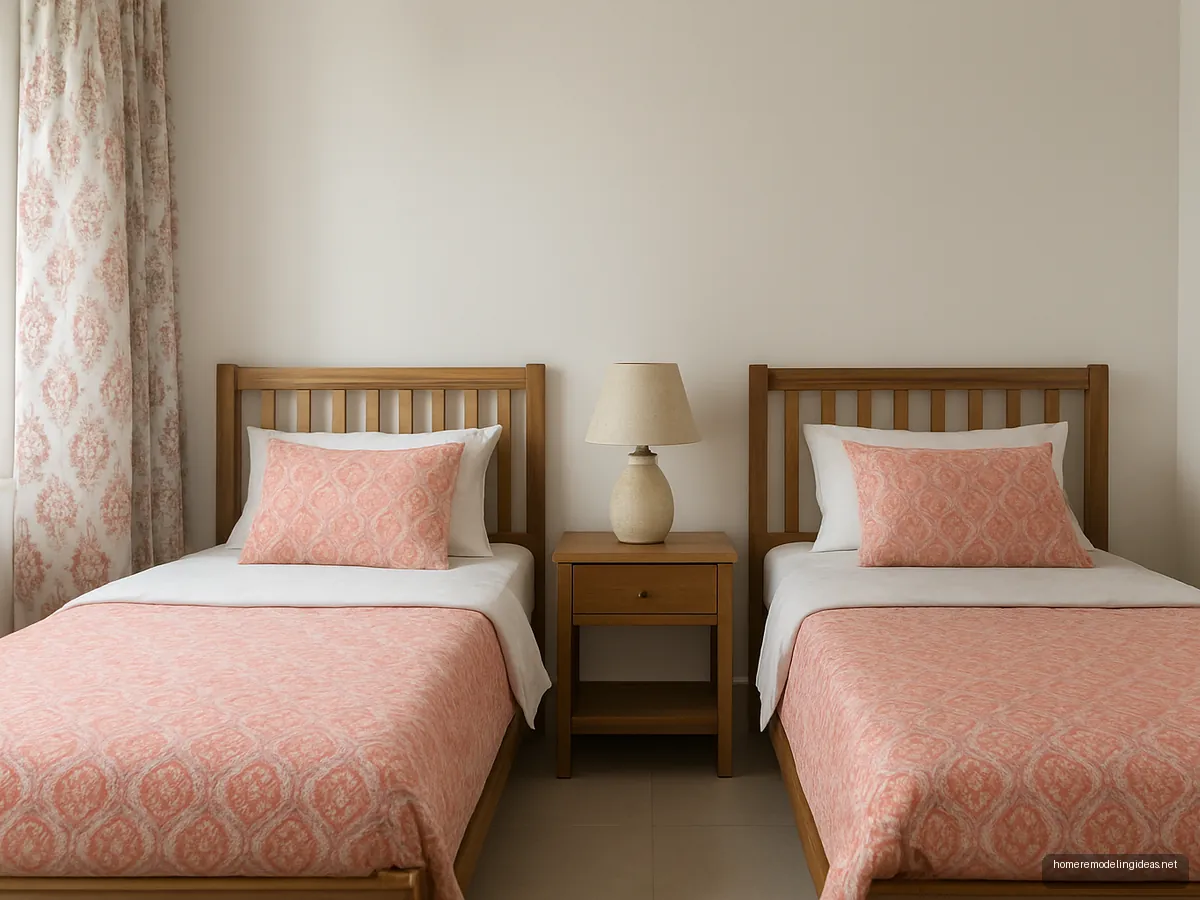 20
Twin Sheesham Guest Beds
Two single wooden beds side by side with a shared bedside table suit guest rooms and siblings. Leave walking space between the beds; Asian Paints suggests 36 in.
Illustrative design concepts. Sizes, finishes and prices vary by maker and city, so confirm details with your designer or carpenter.
Search for "wooden bed design" and you will see everything from heavy carved Rajasthani palangs to slim Scandinavian frames. Both can be good, but they behave very differently in Indian weather, and the wood behind the polish decides whether the bed creaks, sags or gets eaten by termites in ten years.
This guide compares the common solid woods and engineered boards using published material data, explains finishes, and shows 20 wooden double bed designs, from simple to carved. For general styles and sizes see our bed design hub.
Solid woods compared
The figures below come from wood reference databases. Higher density and Janka hardness generally mean a heavier, more dent-resistant frame. No reliable wood prices were sourced, so ask your carpenter or showroom for current rates.
| Wood | Density / hardness | Durability notes |
|---|---|---|
| Sheesham (Dalbergia sissoo) | 750 to 800 kg/m3 at 12% moisture (PROTA) | Heartwood durable, sapwood vulnerable to insects; takes excellent polish; can split at ends if dried too fast |
| Teak | 655 kg/m3, Janka 1,070 lbf (Wood Database) | Heartwood very durable and termite resistant; silica dulls tools |
| Sal (Shorea robusta) | Specific gravity 0.83 to 0.93 (World Agroforestry) | Very durable, highly termite resistant; used for frames and structure; hard to plane, splits on nailing |
| Mango | 675 kg/m3, Janka 1,070 lbf (Wood Database) | Moderately durable to perishable; vulnerable to fungi and insects |
| Rubberwood | 595 kg/m3, Janka 960 lbf (Wood Database) | Perishable with little decay resistance; needs pressure-applied preservative; easy to work |
What this means in practice: sheesham and teak are the safe all-rounders for a family bed. Sal is excellent for hidden structural rails. Mango and rubberwood can make good budget beds, but only from makers who treat and season the timber properly. Ask specifically whether the wood is heartwood and whether it has been treated.
Engineered wood: plywood, MDF and particle board
Most storage beds and modern panel beds sold today are engineered wood with a laminate or veneer face. That is not a bad thing if the board is right.
- Plywood: Greenply describes MR grade (urea-formaldehyde) as meant for dry interiors like bedroom furniture, with 16 to 18 mm suggested for wardrobes; the same thickness range is sensible for bed boxes and headboards. MR and BWR are made under IS 303.
- MDF: covered by IS 12406:2025, with density 600 to 900 kg/m3 and grades REG, MR and HMR. It machines cleanly for routed headboard patterns but should not be the load-bearing base.
- Particle board: covered by IS 3087:2025, density 500 to 900 kg/m3. Common in flat-pack beds; fine for side panels, weak at screw points if it gets damp.
- Formaldehyde: both BIS standards define E1 as up to 8 mg/100 g and E2 as above 8 to 30 mg/100 g. Ask for E1 boards in a bedroom.
A good hybrid: a solid wood frame and legs with a plywood storage box. For lift-up storage options, see box and hydraulic beds.
Carved vs plain: choosing a style
Carved beds (Rajasthani, Chettinad or colonial styles) suit large bedrooms, bungalows and homes with traditional furniture. They are heavy, need dusting in the carvings and usually stand on legs, so you lose under-bed storage unless it is designed in.
Plain and modern wooden beds (platform, slatted headboard, cane panel, curved edges) suit apartments. They show off the grain instead of hiding it, and they are easier to clean. Low platform beds feel spacious in small rooms; Arcedior puts a low platform at 50 to 55 cm floor to mattress top compared with a standard 60 to 65 cm.
Mixed styles work well too: a plain frame with one carved headboard panel, or a modern bed with a cane inset. See modern bed design for low and minimal ideas.
Finishes and polish
- Natural or clear PU: shows the grain, tough against daily wear. Good for sheesham and teak.
- Walnut or honey stain: evens out colour variation in mixed timber and in mango wood.
- Melamine or lacquer: cheaper, a softer sheen, needs touch-ups sooner.
- Wax or oil: beautiful and easy to repair, but needs re-oiling and does not like spilled water.
- Painted wood: a good way to use a budget wood; matte sage, white or navy look current.
Tip: ask for a sample piece polished in the chosen finish and look at it in your bedroom light before the full bed is done.
Sizes and fit
Mattress makers give the standard sizes. Wakefit lists queen as 60 x 72 in or 60 x 78 in, and king as 72 x 72 or 72 x 78 in; Kurl-on lists a 48 in wide double (diwan). Duroflex notes lengths of 72, 75 or 78 in. Pepperfry's guidance is that a frame extends 2 to 3 in beyond the mattress on each side, and a storage frame adds 4 to 6 in of height.
So always give your carpenter the mattress size first and let the frame be built around it. Asian Paints suggests ideally 36 in (minimum 24 in) of walking space around the bed. For bigger beds see king size bed design; for a 4 x 6 ft option see double bed design.
Care and termite protection
- Buy seasoned, treated wood or treated plywood. Greenply says its termite and borer treatment is applied to each layer during manufacture; ask your maker what treatment is used.
- Keep the bed a few inches off a damp wall, especially on ground floors during monsoon.
- Dust carvings weekly with a soft brush; wipe with a barely damp cloth, never wet.
- Check joints and bolts once a year and tighten them to stop creaks.
- Re-polish or re-oil when the finish looks dry or patchy.
Frequently asked questions
Which wood is best for a bed in India?
Sheesham and teak are the most reliable choices. Sheesham is dense (750 to 800 kg/m3 per PROTA) and takes polish well; teak heartwood is very durable and termite resistant per the Wood Database. Sal is excellent for structural rails. Choose heartwood and seasoned timber whatever the species.
Sheesham ya teak, bed ke liye kaunsa better hai?
Both are good. Sheesham is denser and has a strong grain that looks rich with polish, but its sapwood is vulnerable to insects, so insist on heartwood. Teak is lighter, very durable and naturally termite resistant, and usually costs more. For carved beds, sheesham is very common; for clean modern beds, teak shines.
Is engineered wood good for a double bed?
It can be, if the board is right. Greenply suggests 16 to 18 mm MR plywood for dry bedroom furniture, and E1 rated boards keep formaldehyde lower under BIS standards. A solid wood frame with a plywood storage box is a strong and practical combination for most Indian bedrooms.
Is mango wood good for a bed?
Mango wood has decent hardness (Janka 1,070 lbf per the Wood Database) and is often cheaper, but it is rated moderately durable to perishable and vulnerable to fungi and insects. Buy only from makers who treat and kiln-dry it, and keep it away from damp walls.
How high should a wooden bed be?
Arcedior gives 60 to 65 cm as the standard floor to mattress top height, 50 to 55 cm for low platform beds and 70 to 75 cm for high base beds. Older family members usually find standard height easier to get in and out of than a very low bed.
Simple wooden bed design ka cost kitna hota hai?
We did not find reliable published prices for solid wood beds, so we do not quote a number. Cost depends on the wood species, whether it is heartwood, the amount of carving, storage and finish. Get two or three quotes for the same size and wood and compare them line by line.
Sources: Wood Database: Teak · Wood Database: Mango · Wood Database: Rubberwood · World Agroforestry: Shorea robusta · Greenply: MR vs BWR vs BWP plywood · BIS IS 12406:2025 MDF (FIPPI) · BIS IS 3087:2025 particle board (FIPPI) · Wakefit: Indian mattress and bed size guide · Arcedior: bed sizes in India. Figures checked 14 October 2026; prices and rates change, so confirm locally.