Shop Counter Design: Furniture Ideas for Small Shops
A shop counter does three jobs at once: displays stock, handles billing and stores what does not fit on the shelves. Here is how to plan one for a small Indian shop, plus 16 counter designs by trade.
- Dry-area plywood
- MR grade (Greenply)
- Semi-humid areas
- BWR grade (Greenply)
- Decorative laminate
- 1 mm on visible faces (MaterialDepot)
- Lacquered glass
- 4 to 6 mm toughened (Asian Paints Beautiful Homes)
- MDF standard
- IS 12406:2025, grades REG, MR, HMR
16 Shop Counter Design ideas
 01
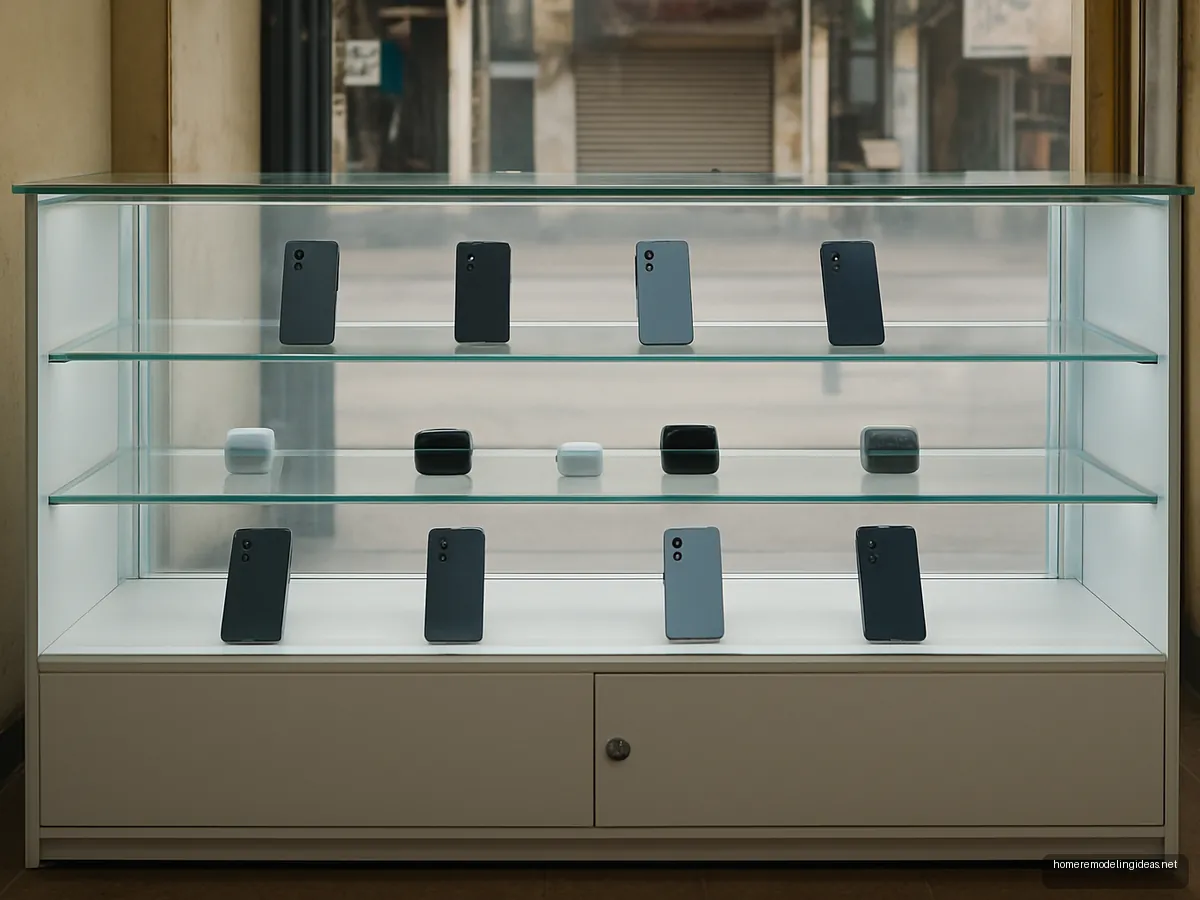
Mobile Shop Glass Display Counter
A toughened glass top counter with lit glass shelves lets customers see phones and accessories without handling them. Lockable sliding backs at the staff side keep stock secure. Use LED strips that stay cool.
 02
Medical Store L Counter With Drawers
An L-shaped medical store counter with many shallow drawers behind it keeps strips and bottles sorted. The front stays clear for billing. Label drawers and keep heavy stock low.
 03
Boutique Counter In Fluted Wood
A fluted oak counter with a brass top edge gives a clothing boutique a calm, premium look. Keep the top free for folding garments and wrapping. Add a hidden shelf for bags.
 04
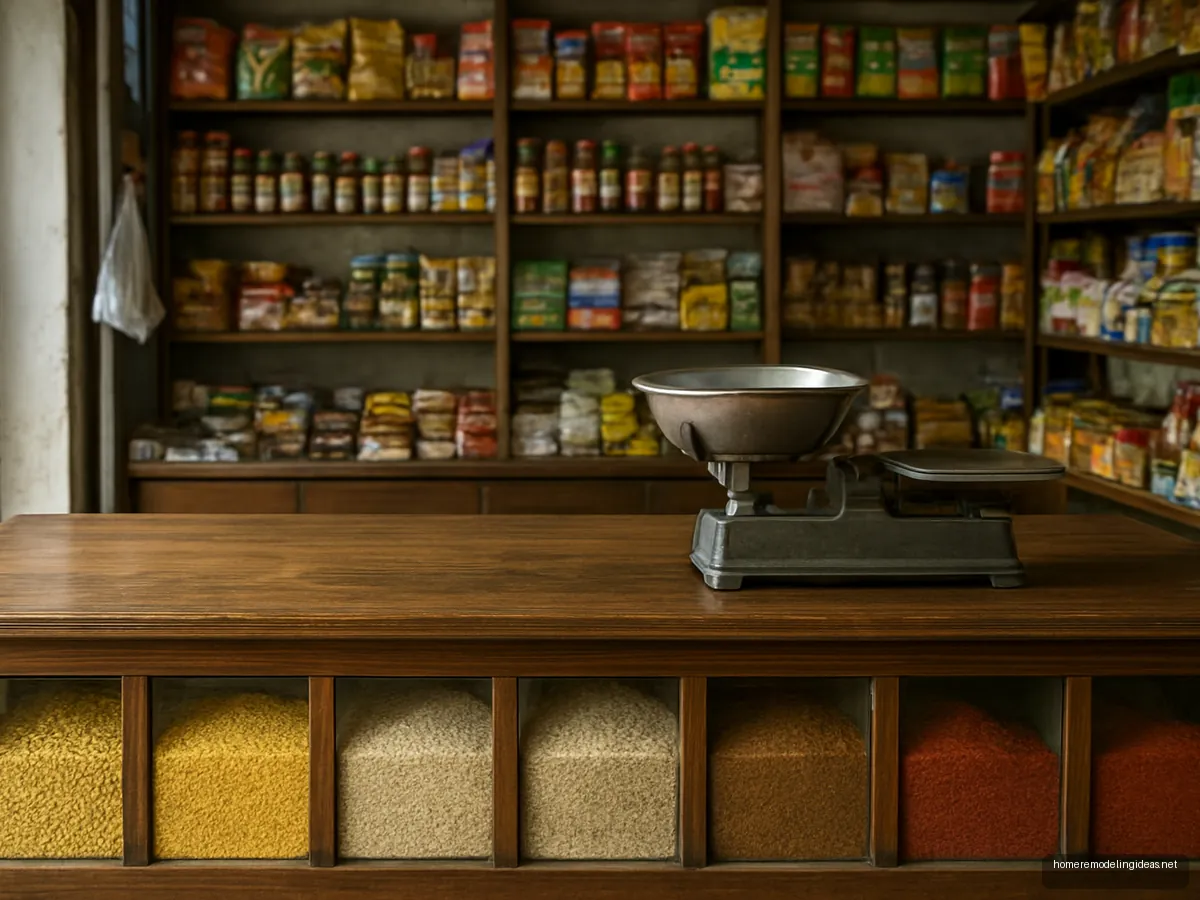
Kirana Counter With Bulk Bins
A kirana counter with clear bulk bins under a glass top shows dals and spices at a glance. A sturdy wooden top handles daily weighing. Keep the weighing scale at the customer side.
 05
Jewellery Shop Velvet Showcase
A jewellery counter with a deep maroon velvet display bed and warm spotlights makes gold glow. Toughened glass and locks are essential. Seat customers on the other side for trial.
 06
Cafe Counter With Tiled Front
A cafe counter with a patterned tile front and wooden top looks welcoming and is easy to wipe. Leave a pass-through for staff and a raised edge to hide clutter.
 07
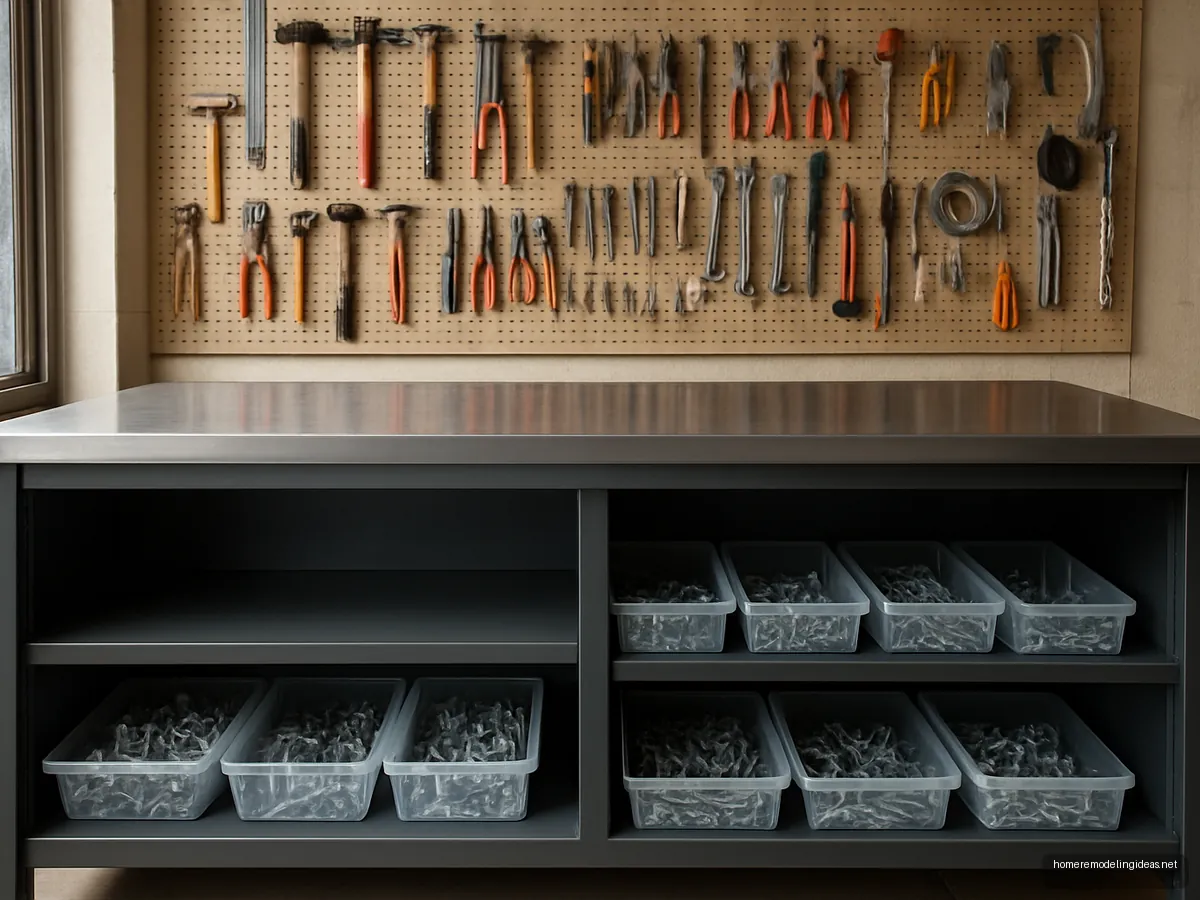
Hardware Store Steel Top Counter
A hardware shop counter needs a tough steel top that will not scratch from tools and nails. Open shelves below hold small parts in trays.
 08
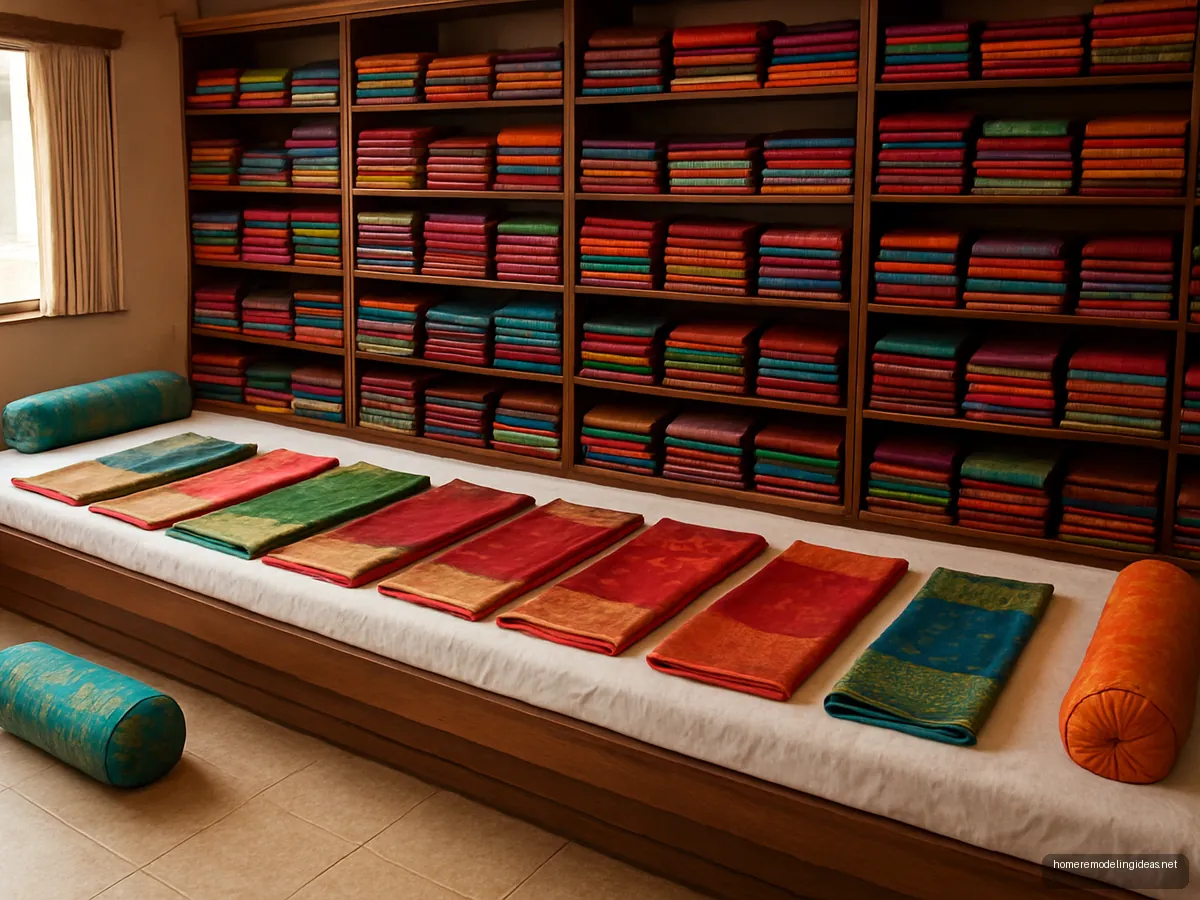
Saree Shop Low Seating Counter
A low wide counter with gadda seating is traditional for saree and fabric shops. Customers sit on the other side as sarees are unfolded on a white sheet.
 09
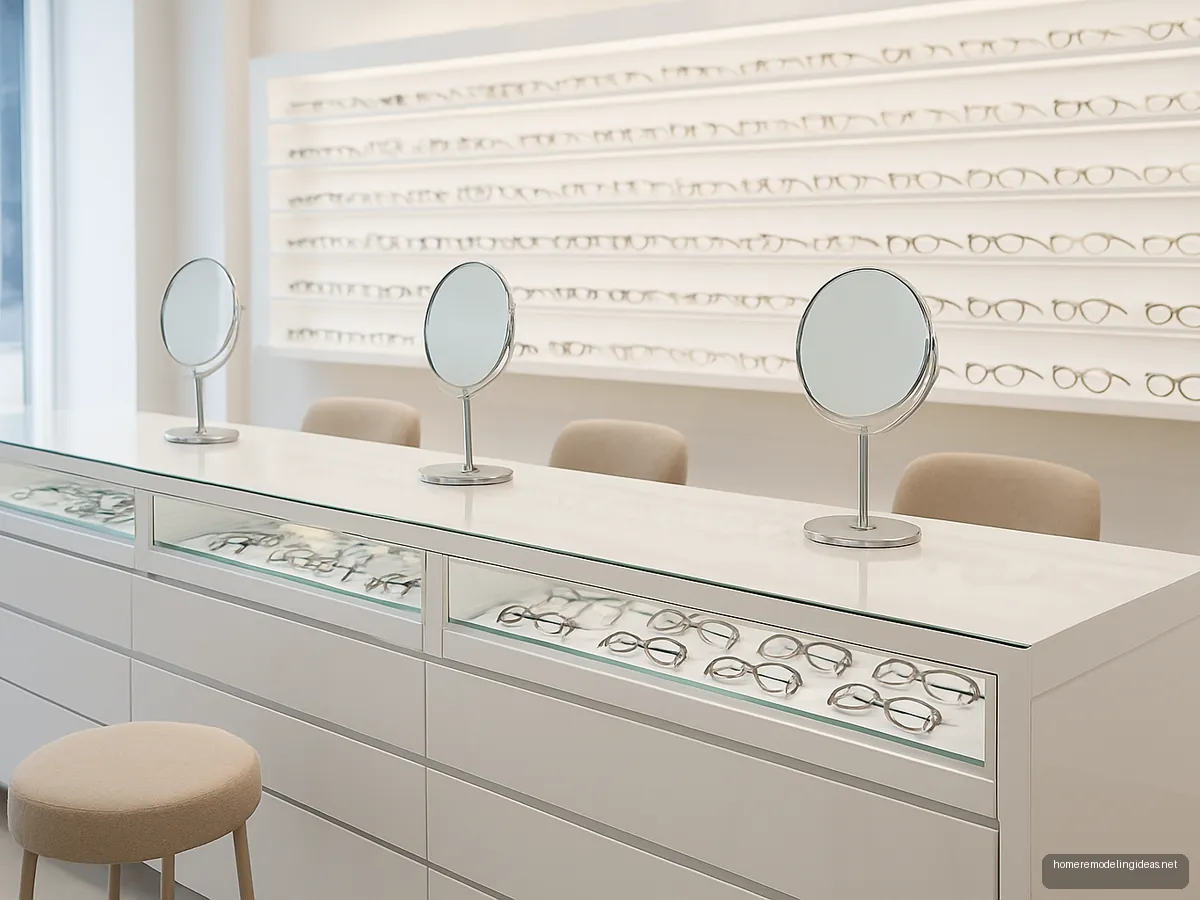
Optical Shop Counter With Mirrors
An optical shop counter needs mirrors at each seat and good front lighting. Glass display drawers keep frames visible and dust free. Keep a lockable section for premium frames and sunglasses.
 10
Bakery Counter With Curved Glass
A curved glass display counter keeps cakes and pastries visible and fresh. Refrigerated counters need a ventilation gap at the back and a dedicated socket. Choose a base colour that matches your packaging.
 11
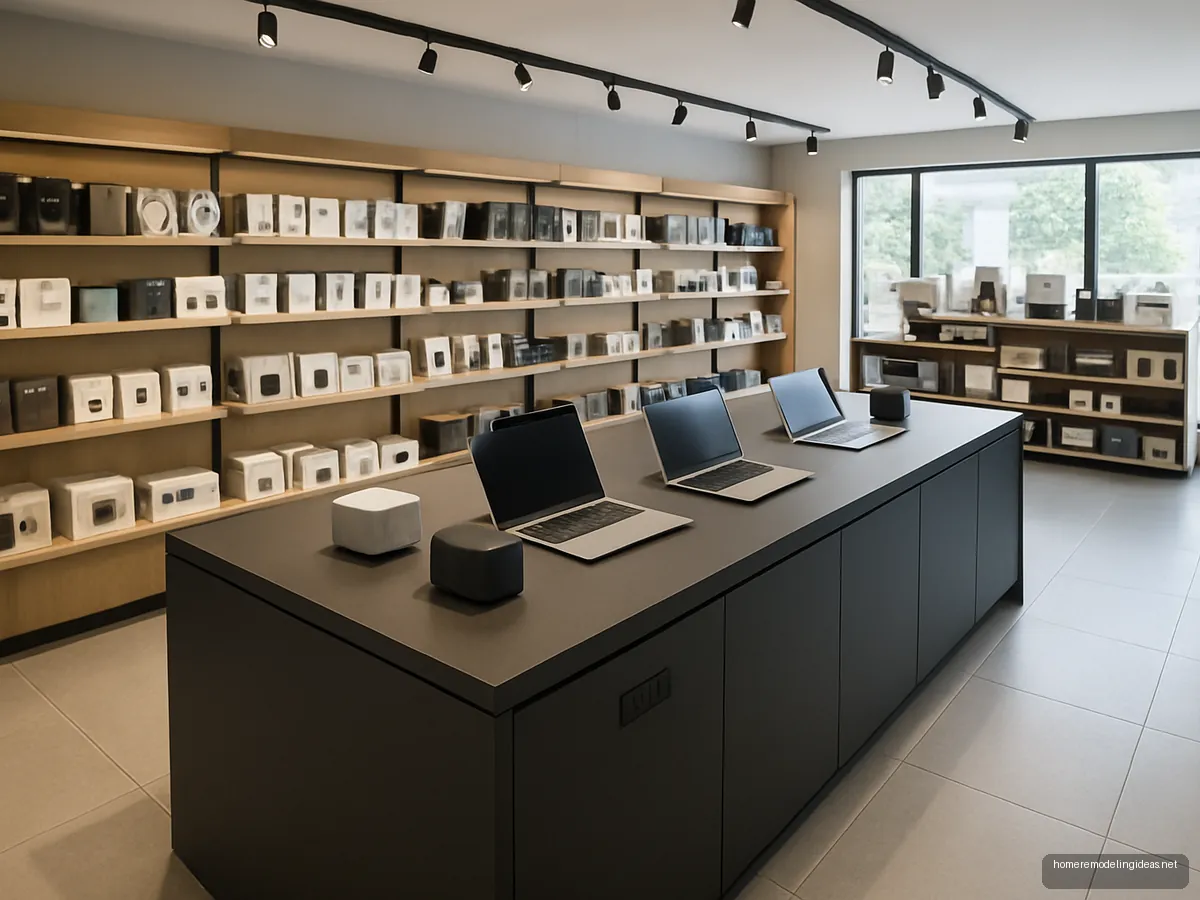
Electronics Shop Island Counter
An island counter in the middle of an electronics shop lets customers try products from all sides. Plan floor sockets before tiling, because adding them later means breaking the floor. Leave walking space on all four sides.
 12
Stationery Shop Compact Counter
A compact stationery counter with pigeonholes behind and a small glass top for pens fits narrow street shops. Students find things quickly, and the owner can reach most stock without leaving the counter.
 13
Salon Reception Counter
A salon reception counter with a curved front and backlit panel makes a strong first impression. Keep product display shelves beside it for retail sales.
 14
Sweet Shop Steel And Glass Counter
A sweet shop counter with stepped glass trays shows mithai at an angle. Steel trays are easy to wash daily and the marble top stays cool. Keep the glass spotless, because customers judge freshness by it.
 15
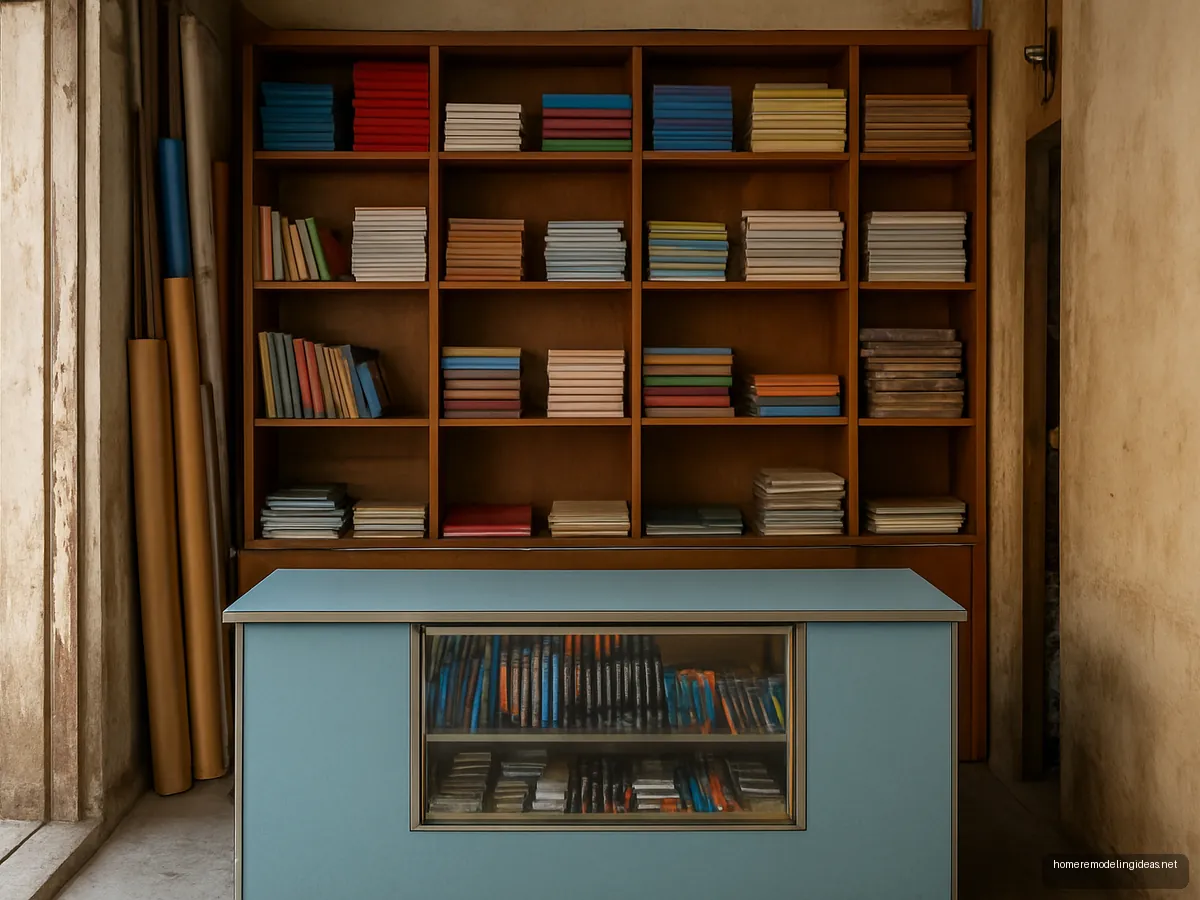
Bookshop Wooden Counter
A warm wooden counter with a bookshelf front makes the counter part of the display. A small stool behind lets staff sit during slow hours.
 16
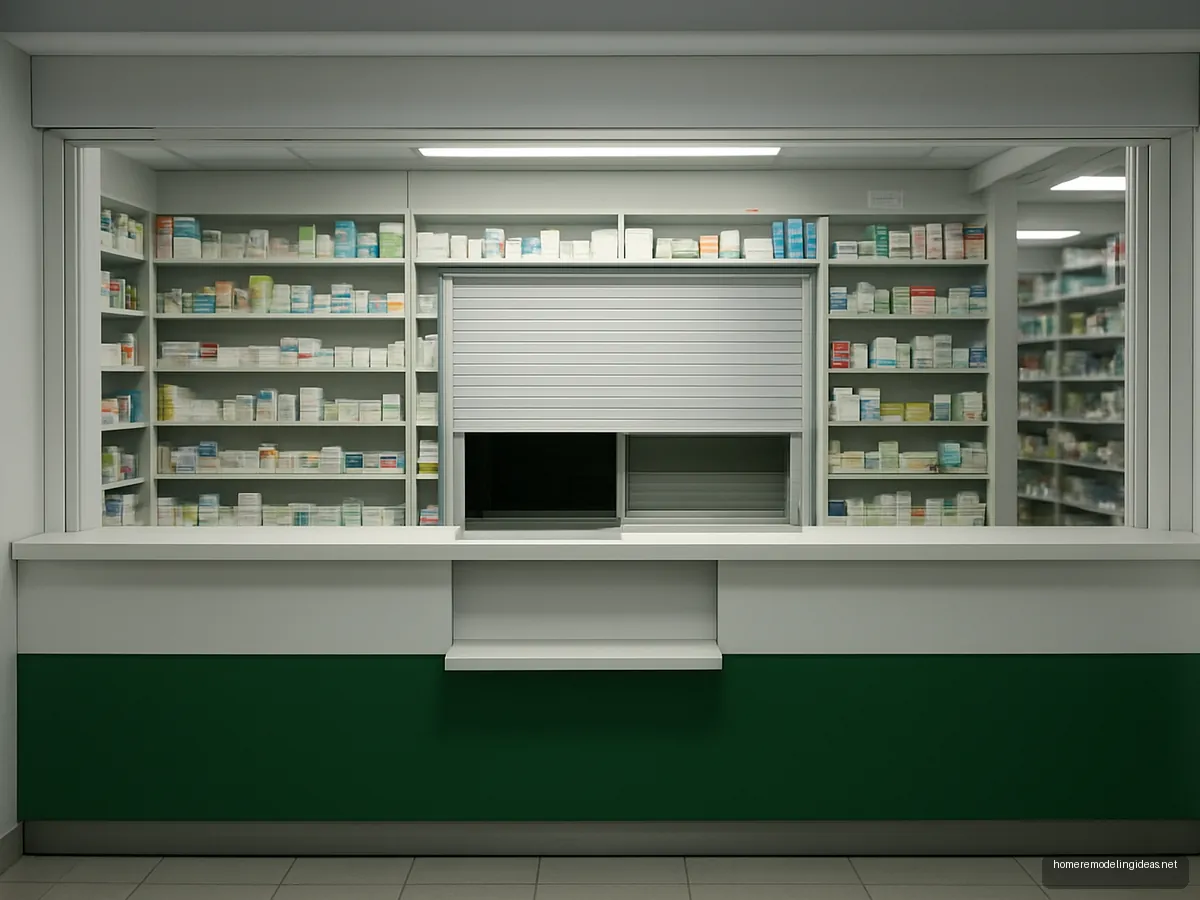
Two Tone Pharmacy Counter With Shutter
A two tone pharmacy counter with a roller shutter allows night service through a small window while the shop stays locked. Good for 24 hour chemists near hospitals.
Illustrative design concepts. Sizes, finishes and prices vary by maker and city, so confirm details with your designer or carpenter.
In most Indian shops the counter is the only piece of furniture designed specially, and it decides how the shop works. A medical store needs drawers within reach, a mobile shop needs lit glass, a kirana counter needs a top tough enough for daily weighing. There is no official standard for shop counter sizes, so this page focuses on how to plan one around your trade, the materials that hold up, and 16 shop counter designs.
Planning a shop counter step by step
- List what the counter must do. Billing, display, packing, storage, trial seating.
- Measure the shop. Note the shutter, columns, wiring and where customers enter.
- Decide the shape. Straight for narrow shops, L for medical and grocery stores, island for electronics.
- Plan the staff side first. Drawers, a cash drawer with lock, sockets for the billing machine and a stool.
- Plan the customer side. Display glass, a clear space for the bill and a bag hook.
- Plan lighting. Focus light on the display, not on staff eyes.
- Get a drawing and a sample. Ask your carpenter for a scale drawing and a small sample of the laminate and edge.
Counter height and depth
We did not find an Indian standard for shop counter height, so treat any number you see online as a rule of thumb. The practical test is simple: the billing top should be comfortable for a standing customer to sign or count cash, and for staff to write without bending. Jewellery and optical counters where customers sit need a lower, seated height, and the stools must match. Make a cardboard mock-up and test it with the people who will use it.
Depth should allow display on the customer side and storage on the staff side without staff stretching. In narrow shops, a shallower counter with wall storage behind is often better than one deep counter that blocks the aisle.
Counter types by trade
| Shop | Counter | Key feature |
|---|---|---|
| Mobile and electronics | Glass top, lit shelves, island | Locks, sockets, cool LEDs |
| Medical | L-shape | Shallow labelled drawers behind |
| Kirana | Wooden top, bulk bins | Tough top, weighing area |
| Jewellery | Glass over velvet | Seating, warm spotlights, locks |
| Boutique and saree | Wide top or low platform | Space to unfold and pack |
| Bakery and sweets | Curved or stepped glass | Cooling, easy cleaning |
Materials that last
Shop counters take far more wear than home furniture. Greenply recommends MR grade plywood for dry interiors and BWR for semi-humid areas, so a bakery or sweet shop near a wash area should use BWR or better. MDF is standardised under IS 12406:2025 with grades for dry (REG), humid (MR) and high humidity (HMR) conditions, and particle board under IS 3087:2025; both are budget cores and need good edge banding. A 1 mm decorative laminate is commonly used on visible faces. For glass tops, use toughened glass; lacquered glass shutters are typically 4 to 6 mm toughened and need sturdy hinges. Steel tops suit hardware shops. Solid wood like teak or sheesham suits heritage shops but costs more. See our furniture design guide for more on boards.
Lighting and display
Light the product, not the customer's eyes. LED strips inside glass shelves, warm spotlights for jewellery and food, and bright even light for medicines and optical shops all help. Keep wiring hidden and add enough sockets for the billing machine, card reader and phone chargers. Plan for a CCTV view of the cash drawer.
From shop to home
Many shop owners run a home office too. The same ideas, like a clear work top, lockable drawers and good lighting, apply to a study table at home. For a home bar counter or a TV unit, the material advice above also works. For more ideas on furniture for living spaces see living room furniture, and for full renovation planning, our renovation checklist.
Frequently asked questions
What is the standard height of a shop counter?
We did not find an Indian standard for shop counter height. Make a cardboard mock-up and test it: the top should be comfortable for a standing customer to sign or count cash, and for staff to write without bending. Seated counters, like jewellery and optical, need a lower height with matching stools.
Mobile shop counter design mein kya hona chahiye?
A toughened glass top, lit glass shelves to display phones, lockable sliding doors at the staff side, enough sockets for charging and billing, and a clear space on top for the bill. Use cool LED strips and keep the wiring hidden. An island counter works if the shop is wide.
Which material is best for a shop counter?
Greenply suggests MR grade plywood for dry interiors and BWR for semi-humid areas. MDF and particle board are budget cores under IS 12406 and IS 3087 and need good edge banding. Use toughened glass for display tops and steel for hardware shops where tools scratch surfaces.
What is the best counter design for a medical shop?
An L-shaped counter with a billing area at the front and a wall of shallow labelled drawers behind works well. Keep heavy stock low, medicines needing attention at eye level, and the front clear. A small service window with a shutter helps 24 hour chemists serve at night.
How do I light a shop counter?
Light the product, not the customer's eyes. Use LED strips inside glass shelves, warm spotlights for jewellery and food, and bright even light for medical and optical shops. Plan sockets for the billing machine, card reader and phone chargers before the counter is built.
Kirana shop ke counter ke liye kaunsa design accha hai?
A sturdy wooden top for daily weighing, glass fronted bulk bins below to show dals and spices, and shelves for packaged goods behind. Keep the weighing scale on the customer side and a lockable cash drawer on the staff side.
Sources: Greenply: MR vs BWR vs BWP · BIS IS 12406:2025 MDF (FIPPI) · BIS IS 3087:2025 particle board (FIPPI) · MaterialDepot: Laminate for kitchen cabinets · Asian Paints Beautiful Homes: Shutter finishes compared. Figures checked 14 October 2026; prices and rates change, so confirm locally.