Wooden Sofa Design: Carved and Modern Wood Sofas
Wooden sofas last for decades, survive kids and pets, and suit Indian weather better than fully upholstered pieces. Here is how to choose the wood, size and cushions, plus 18 carved and modern designs.
- 3-seater width (Wakefit)
- 175 to 200 cm
- Seat height (Wakefit)
- 42 to 46 cm
- Seat depth for Indian users (Wakefit)
- 70 to 75 cm
- Sheesham density (PROTA)
- 750 to 800 kg/m3
- Teak hardness (Wood Database)
- Janka 1,070 lbf
- Walkway in front (Wakefit)
- 90 cm
18 Wooden Sofa Design ideas
 01
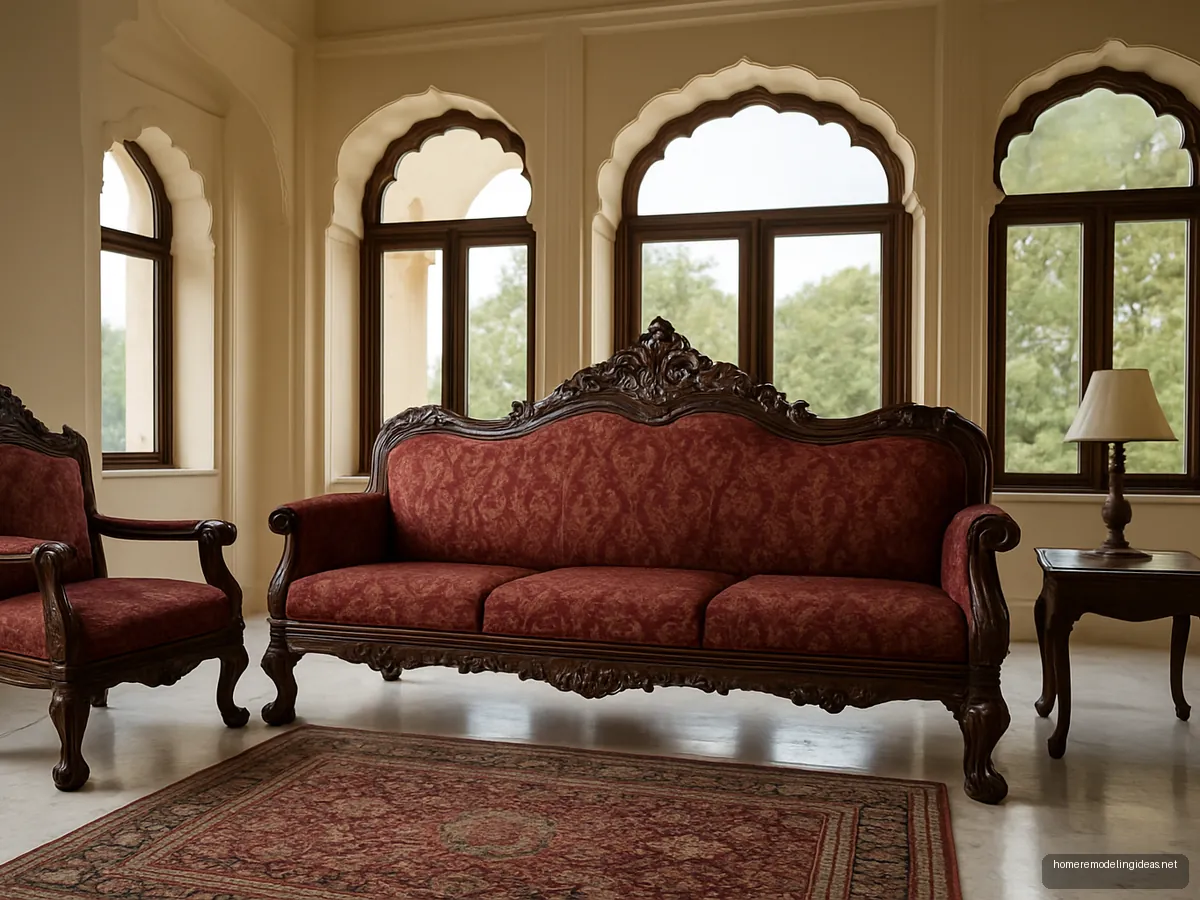
Maharaja Carved Sheesham Set
A grand carved sheesham 3+1+1 with high backs and lion-paw feet. Suits large bungalow drawing rooms; choose maroon or gold cushions that complement the polish and keep side tables simple.
 02
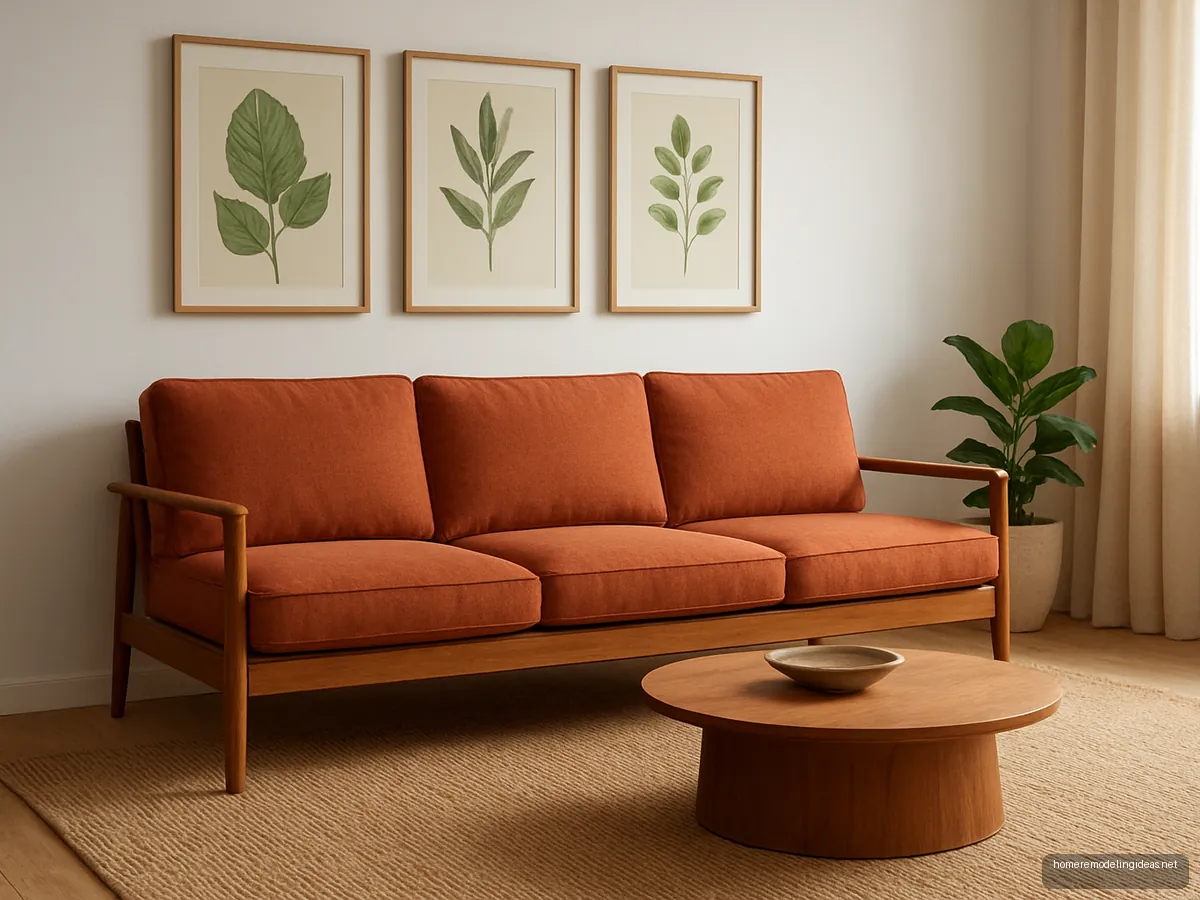
Slim Teak Frame With Rust Cushions
A slim exposed teak frame with thick rust-coloured cushions looks modern and light. Perfect for 2 BHK halls; the visible floor underneath keeps the room open.
 03
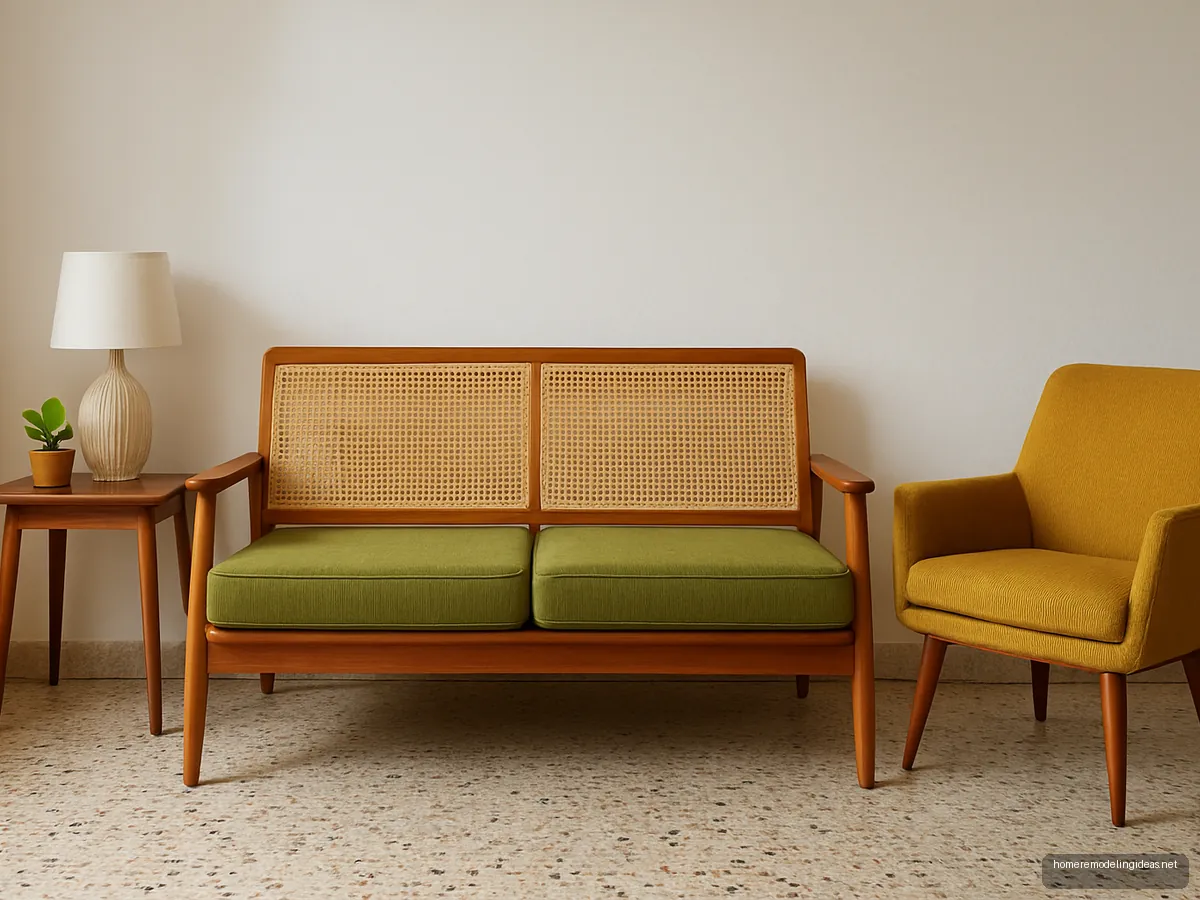
Cane Back Mid-Century Sofa
A mid-century teak frame with woven cane back panels keeps the sofa breathable in humid weather. Pair with olive or mustard cushions for a retro look.
 04
Low Japandi Oak Sofa
A low oak platform sofa with oatmeal cushions brings a calm Japandi feel. Best for younger homes; very low seats can be hard for elders.
 05
Kerala Style Rosewood Settee
A traditional rosewood settee with a curved back fits Kerala-style homes with red oxide floors. Add a long bolster for comfort, and keep it off damp floors during the monsoon months.
 06
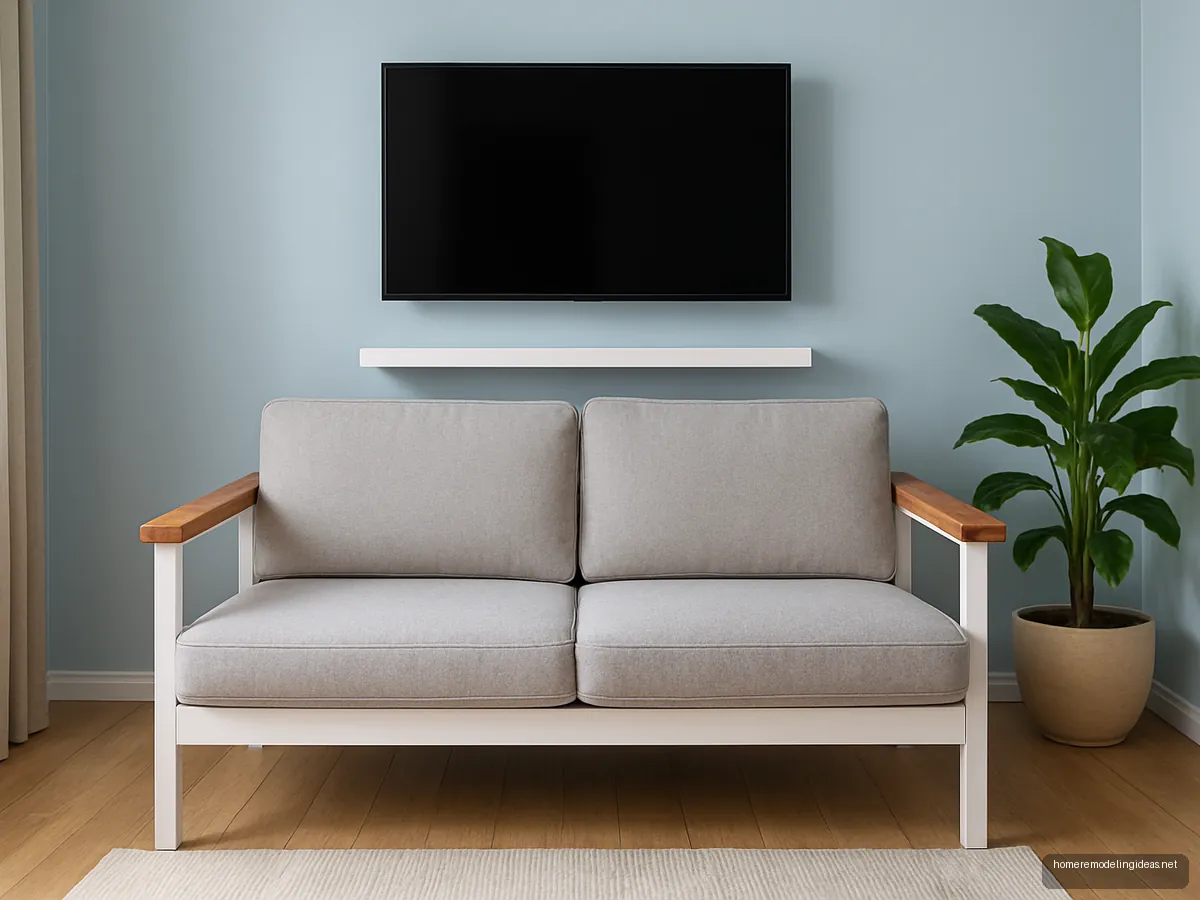
Two-Tone White and Wood Sofa
A white painted frame with natural wood armrests feels fresh in small flats. Washable grey covers handle everyday use, and the light frame suits rented flats where furniture moves often.
 07
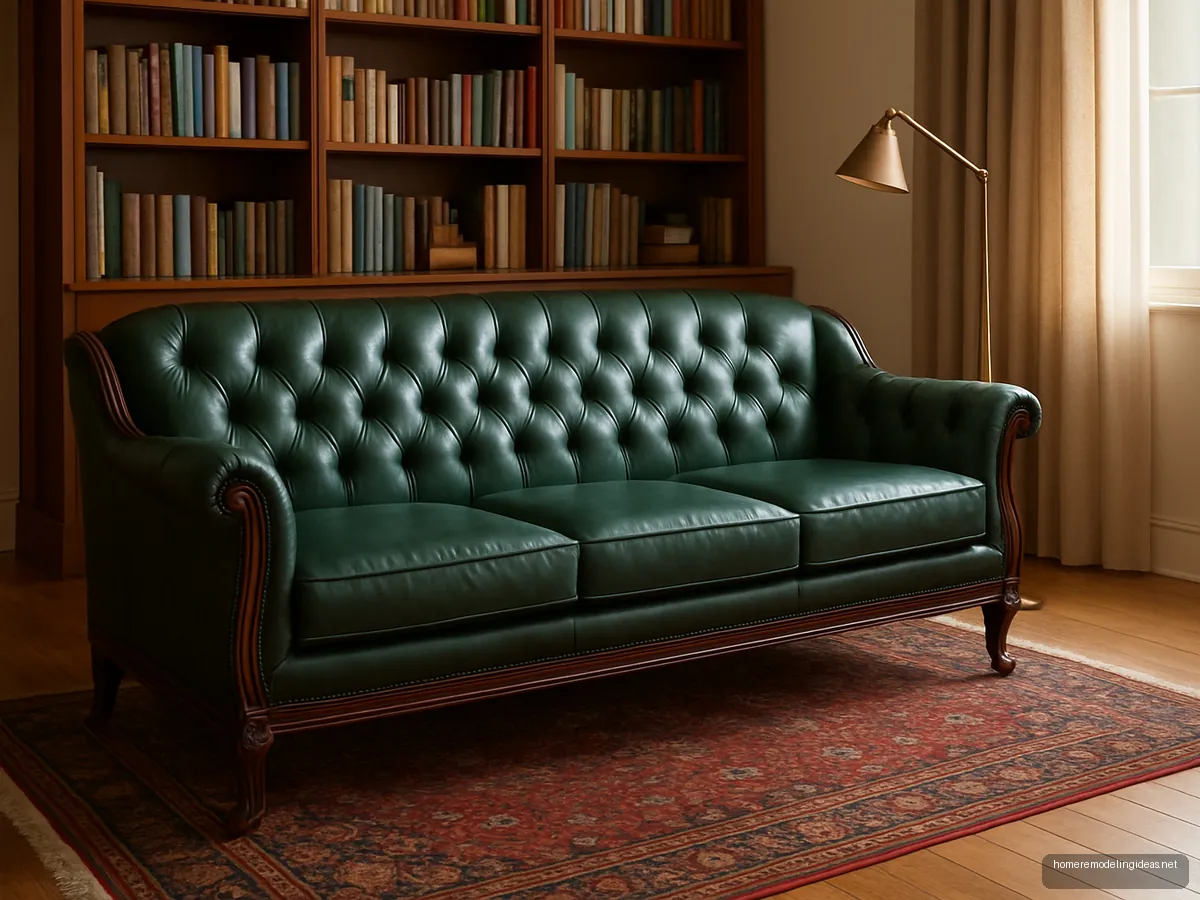
Chesterfield Wood Trim Sofa
A wood-trimmed tufted sofa in deep green leatherette for a library or study corner. Classic but practical in homes with kids; leatherette wipes clean easily with a damp cloth.
 08
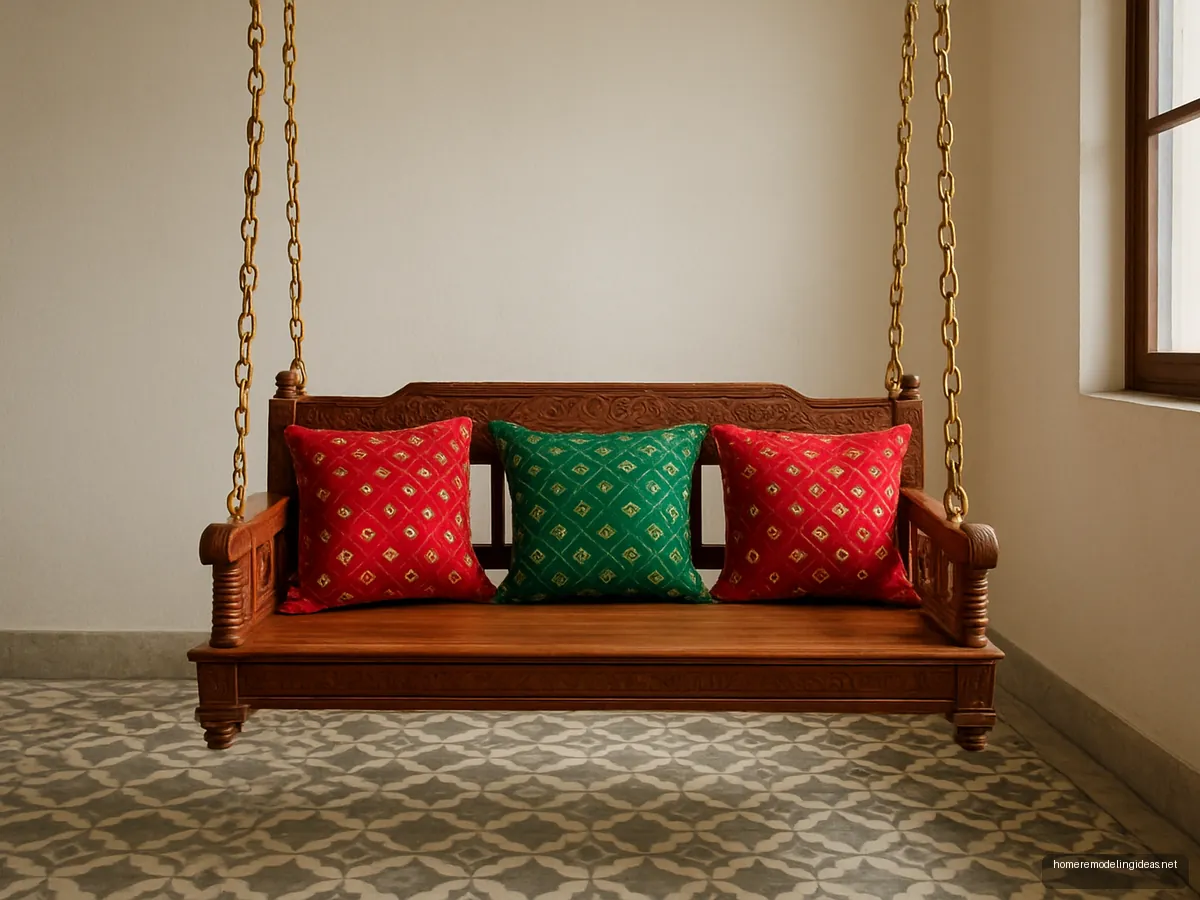
Swing Jhula Sofa
A wooden jhula-style sofa hung from a sturdy frame or ceiling hooks brings a traditional Gujarati touch. Ensure the ceiling hooks are fixed into the slab by an expert.
 09
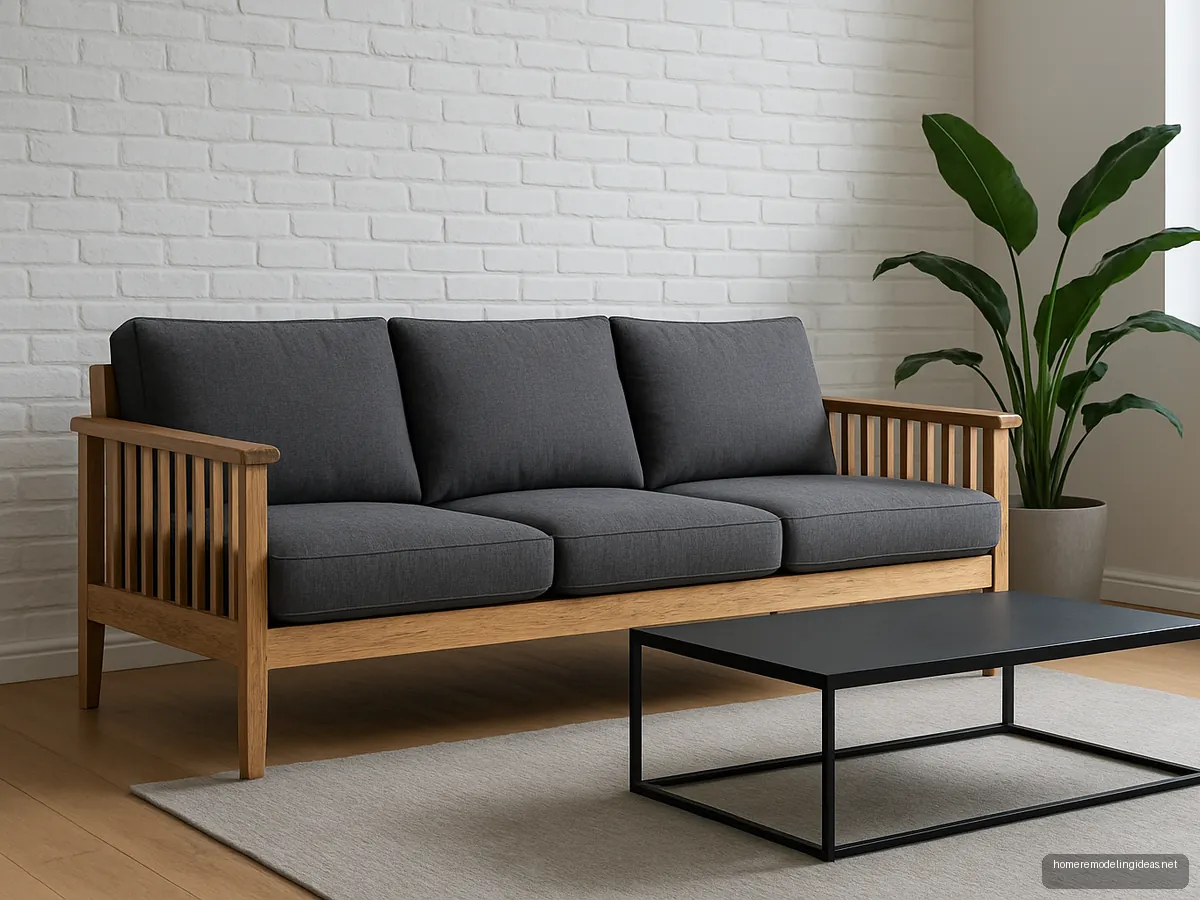
Slatted Arm Mango Wood Sofa
Vertical slatted arms in mango wood give texture without carving. A good mid-budget choice when the wood is treated and kiln-dried; ask the maker to confirm both.
 10
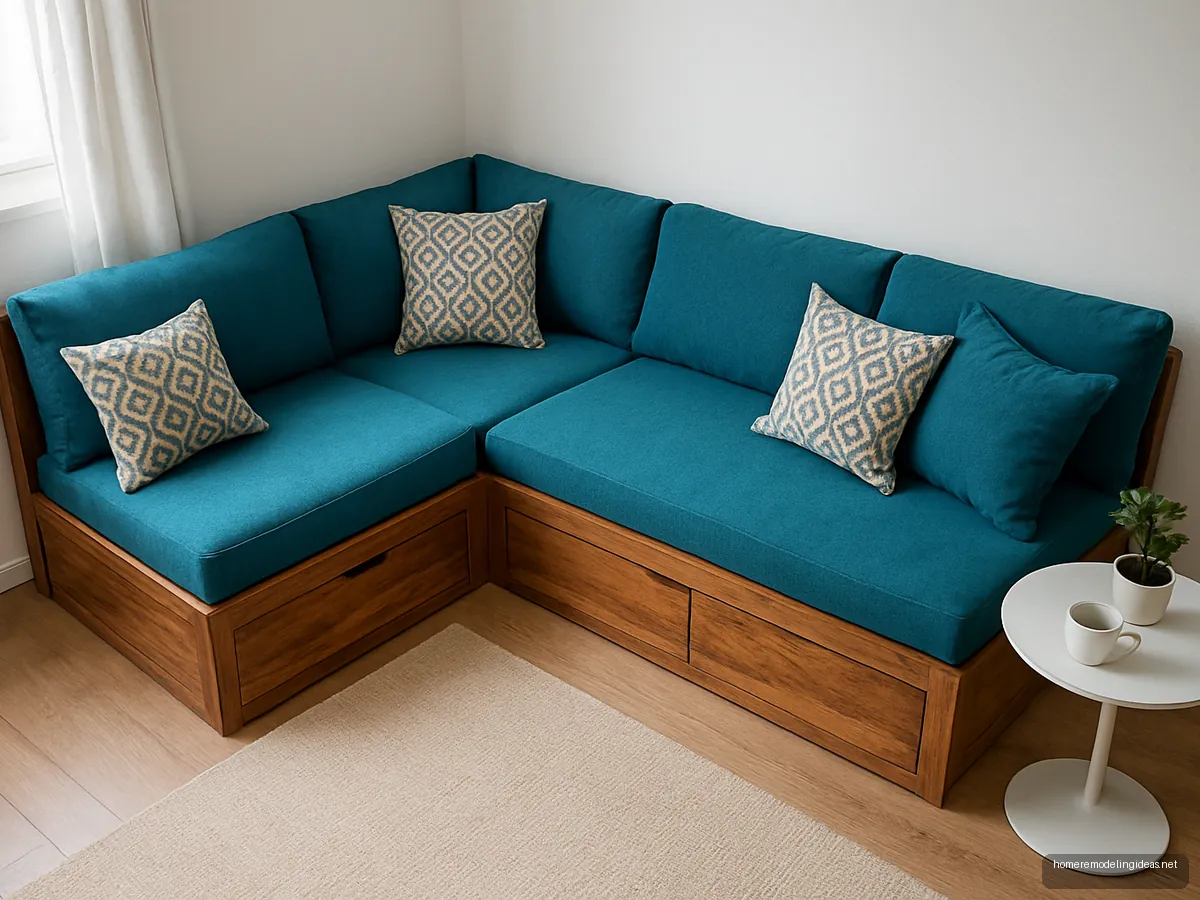
Corner Wooden Sofa With Storage
A built-in corner wooden sofa with lift-up storage under the seats makes use of awkward hall corners. Ideal for small flats with many guests and extra bedding to store.
 11
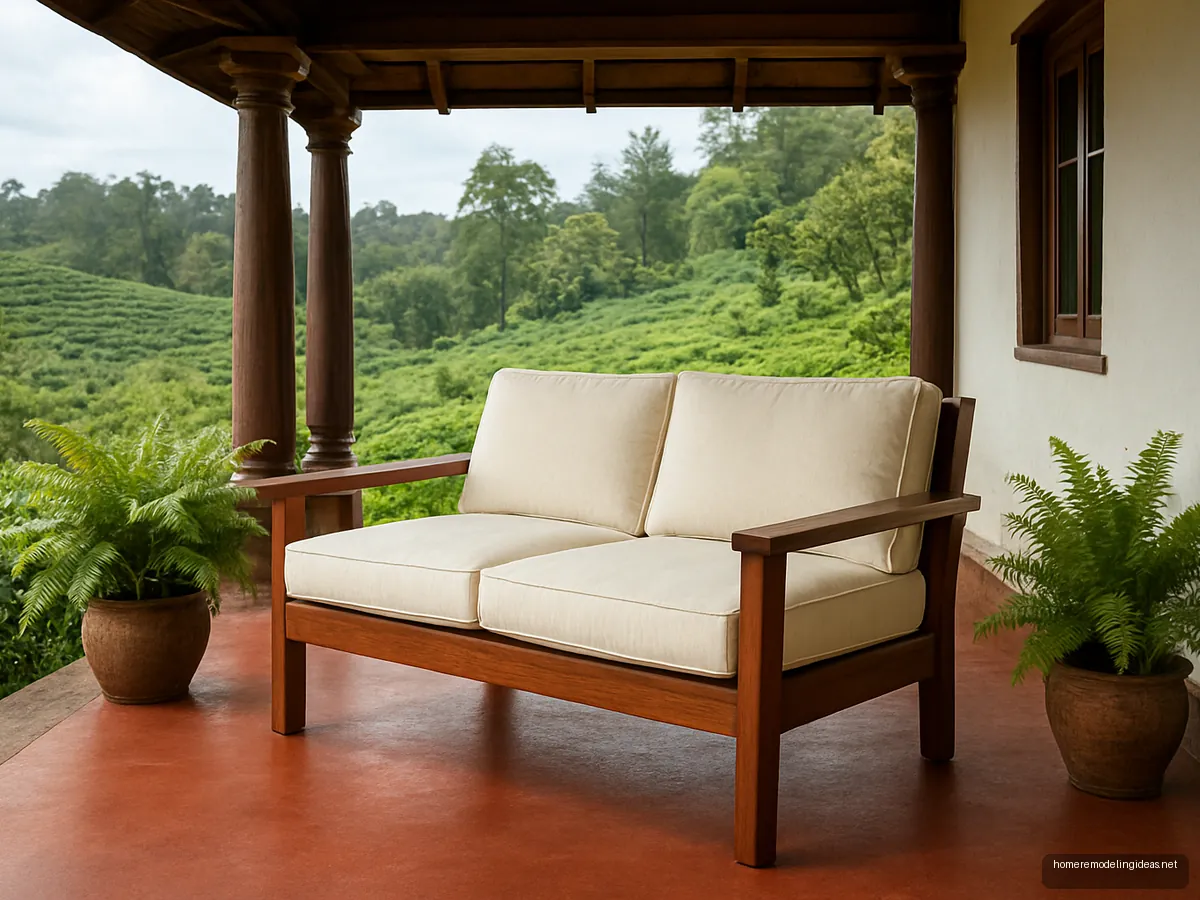
Colonial Planter Style Sofa
Wide planter-style arms make room for a cup of chai. Suits verandahs and sit-outs; use outdoor-grade fabric if placed near open windows or in a semi-open sit-out.
 12
Dark Walnut Modern Sofa
A dark walnut frame with charcoal cushions for a moody, modern hall. Use warm lighting and a light rug so the room does not feel cold or heavy.
 13
Pastel Cushion Sheesham Sofa
A plain sheesham frame lifted with soft pastel cushions. Works in kids-friendly homes when covers are zipped and washable, and the colours can change every season.
 14
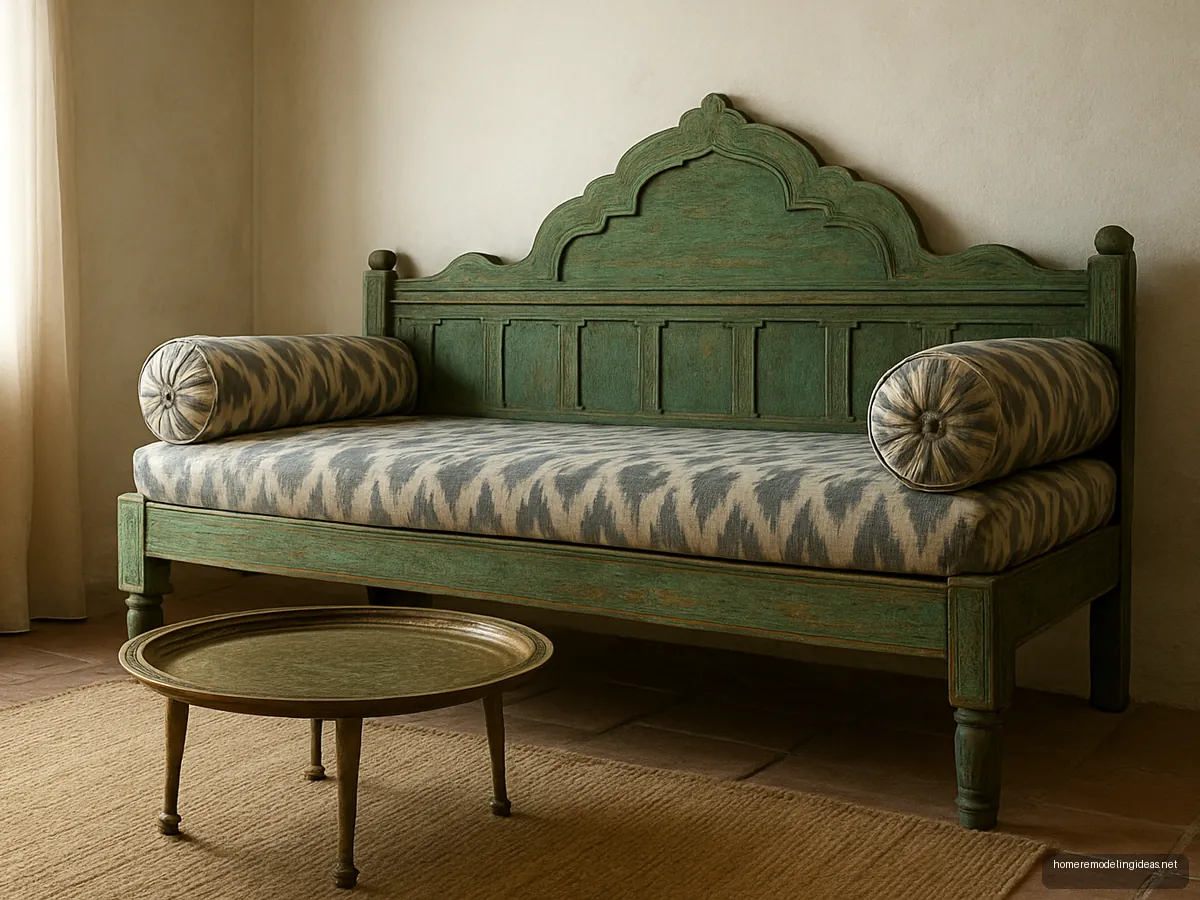
Antique Finish Diwan Sofa
A distressed antique-finish wooden diwan with bolsters works as a sofa by day and a nap spot by afternoon. Perfect for traditional living rooms and for elders who like to sit cross-legged.
 15
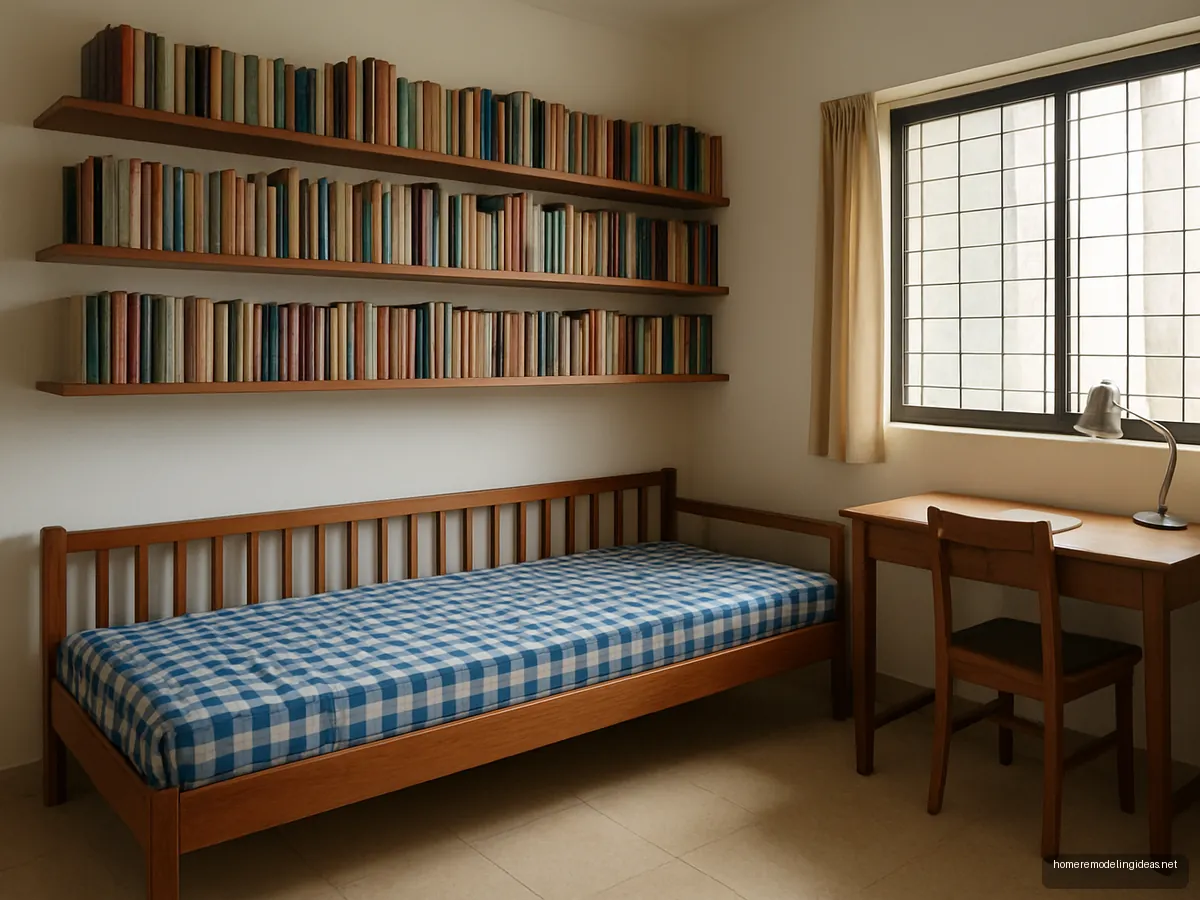
Teak Sofa Cum Daybed
A long teak daybed with a back on one side doubles as seating and a guest bed. Good for study rooms and small flats that need a guest bed only a few nights a year.
 16
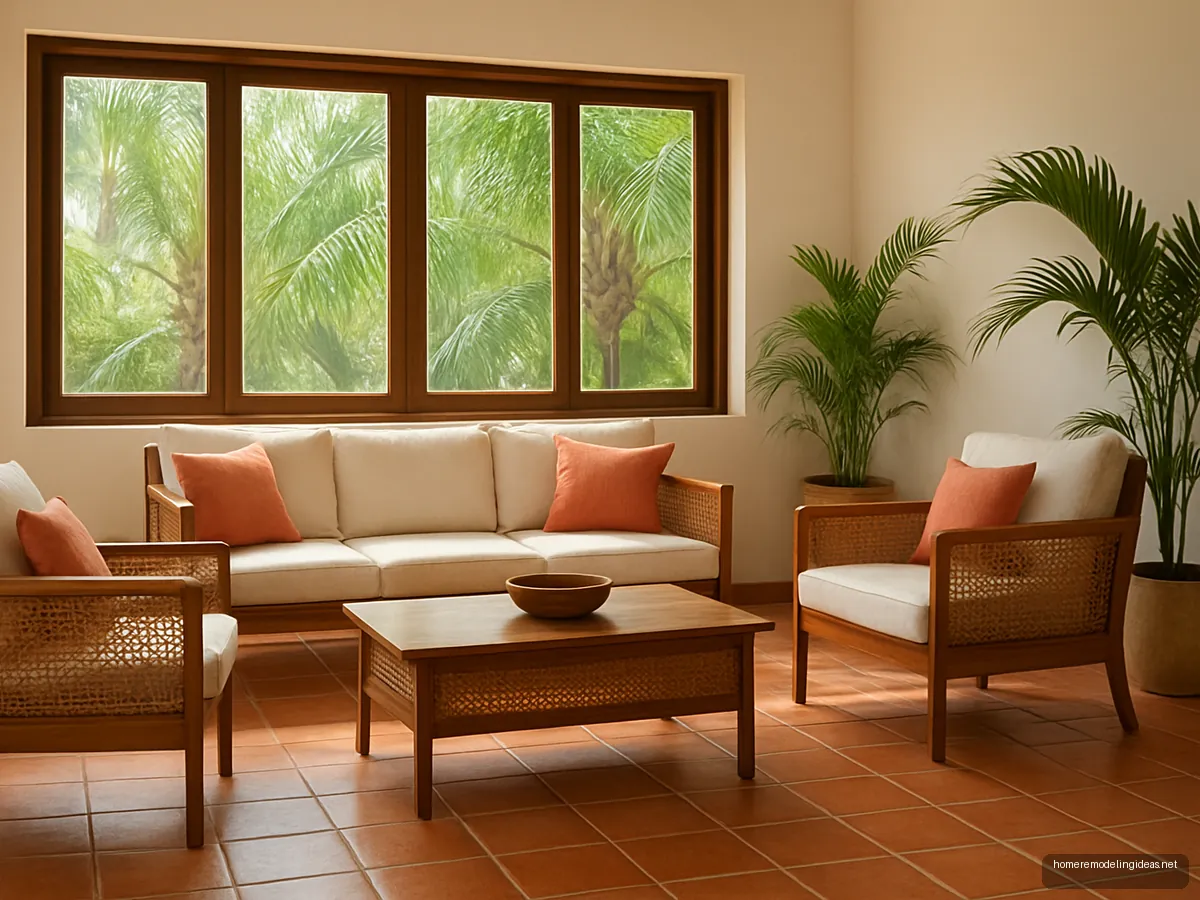
Handmade Rattan and Teak Set
A handmade set with teak frame and rattan weave. Light to move, good for homes that rearrange often for festivals; keep rattan away from harsh direct sun.
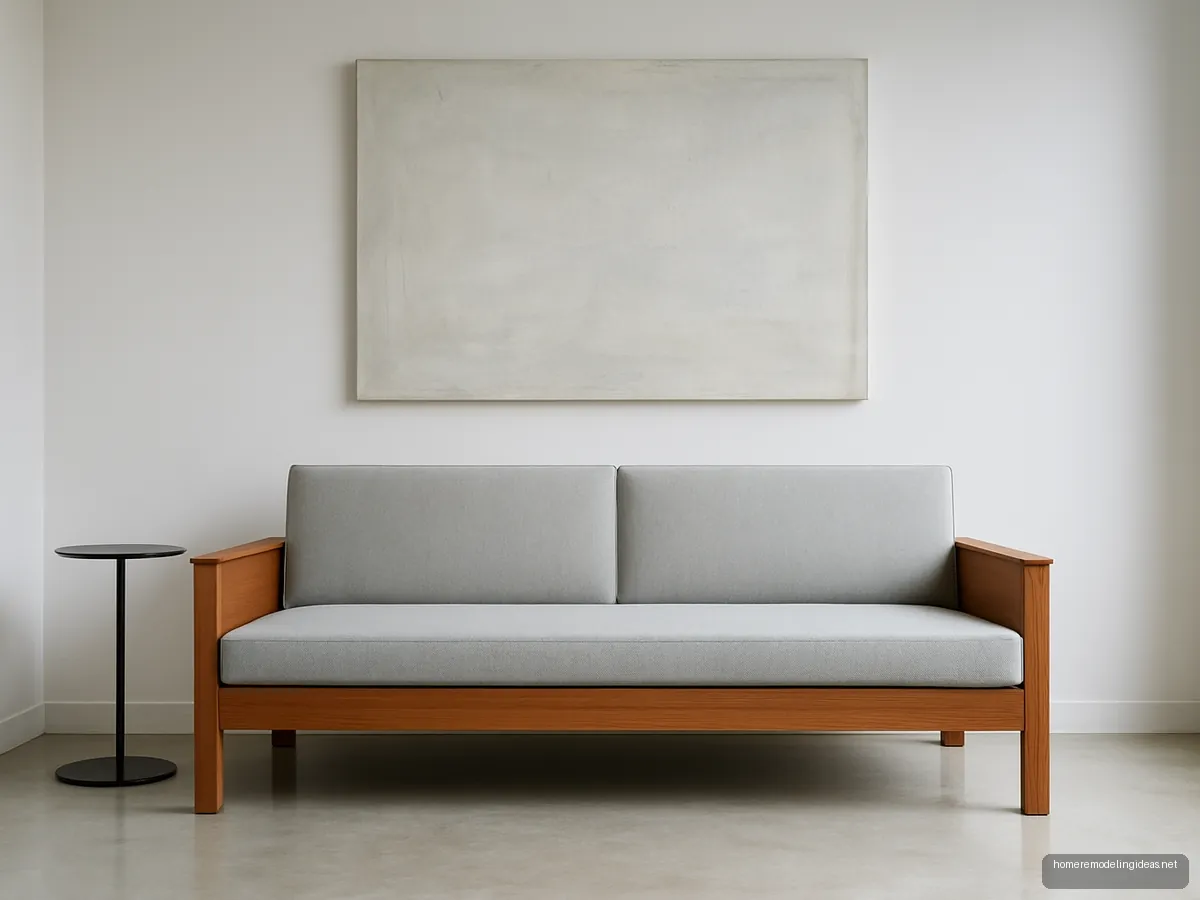 17
Minimal Box Frame Wood Sofa
A clean box-shaped teak frame with tight cushions looks neat and is easy to clean. Suits modern flats with simple decor and families who want a neat, low-maintenance hall.
 18
Brass Inlay Luxury Wood Sofa
Dark wood with fine brass inlay on arms and back rail makes a luxury statement for formal drawing rooms. Keep other furniture simple and dust the inlay with a soft dry cloth.
Illustrative design concepts. Sizes, finishes and prices vary by maker and city, so confirm details with your designer or carpenter.
The wooden sofa set is a fixture of Indian drawing rooms: a carved sheesham 3+1+1 with loose cushions, polished every Diwali. The modern version is lighter, lower and cleaner, but the logic is the same. A wooden frame is easy to repair, the cushions can be recovered whenever you change the decor, and there is no foam-filled arm to sag or stain.
This guide covers which woods work, how to get the cushions right, sizes that fit typical halls, and how to care for a wooden sofa in humid and dry seasons. For all sofa styles see our sofa design hub.
Which wood for a sofa frame
A sofa takes more knocks and twisting load than a bed, so density and joint strength matter. Published material data for common Indian furniture woods:
| Wood | Key figures | For a sofa |
|---|---|---|
| Sheesham | 750 to 800 kg/m3 (PROTA) | Dense and polishes well; the classic choice for carved sofas. Insist on heartwood, since sapwood is vulnerable to insects. |
| Teak | 655 kg/m3, Janka 1,070 lbf (Wood Database) | Very durable and termite resistant; stable for slim modern arms and legs. |
| Sal | Specific gravity 0.83 to 0.93 (World Agroforestry) | Very durable; good for hidden frame rails, but hard to plane and splits on nailing. |
| Mango | 675 kg/m3, Janka 1,070 lbf (Wood Database) | Good looking and workable, but moderately durable to perishable; needs treatment. |
| Rubberwood | 595 kg/m3, Janka 960 lbf (Wood Database) | Budget option; perishable, needs pressure-applied preservative. |
No reliable wood prices were sourced, so compare showroom quotes on the same wood, size and finish. For a fuller materials comparison, see furniture design and materials.
Carved vs modern wooden sofas
Carved sofas (Maharaja, Chippendale, Rajasthani, South Indian styles) suit large halls, bungalows and homes with traditional decor. Pick one with the carving on the back rail and arms only, so the seat stays comfortable and the carving is easy to dust.
Modern wooden sofas have slim exposed frames, straight or slatted arms and thick loose cushions. They suit 1 and 2 BHK flats because you can see the floor under them, which makes the room look bigger.
Middle ground: a plain sheesham frame with a cane back, or a teak frame with one carved panel. These blend with both old and new furniture, which helps when you are renovating in phases.
Thinking of a corner layout? An L-shaped wooden frame is possible, but most people choose upholstery there; see L shape sofa design.
Sizes for Indian living rooms
Wakefit gives standard sofa widths of 75 to 90 cm for a 1-seater, 130 to 150 cm for a 2-seater and 175 to 200 cm for a 3-seater, with overall depth of 85 to 90 cm and height of 80 to 90 cm.
- Seat height: 42 to 46 cm (Wakefit). Wooden sofas with thin cushions can end up low; check seat height with the cushion on.
- Seat depth: Wakefit says 70 to 75 cm suits average Indian proportions. Many carved sofas are shallower, so add a back cushion if needed.
- Walkway: leave 90 cm between the sofa front and the TV unit or as a walkway, and 45 to 60 cm from the sofa arm to the wall (Wakefit).
- Coffee table: Castlery suggests 35 to 45 cm from the sofa and about two thirds of the sofa length.
For 3+1+1 and 3+2 planning, see sofa set design. For hall layouts, see living room furniture.
Getting the cushions right
Cushions decide whether a wooden sofa is comfortable or just good looking.
- Seat foam: ask for a firm, high-density seat foam with a softer top layer. Thin soft foam bottoms out on the wooden base within months.
- Back cushions: loose back cushions let you adjust depth; fibre-filled backs feel softer than foam.
- Covers: zipped, removable covers are a must. Cotton and linen blends breathe well in summer; tightly woven polyester or performance fabric resists stains for homes with kids.
- Webbing or ply base: elastic webbing under the seat cushion is more comfortable than a flat ply board.
- Colour: mid tones (rust, olive, indigo, grey) hide everyday marks better than white or cream.
Tip: buy one spare set of covers when you buy the sofa. Fabrics get discontinued and matching later is hard.
Polish and finish options
- Natural PU or melamine polish: shows the grain; PU is tougher against spills and daily wear.
- Honey, walnut or mahogany stains: traditional looks; darker stains hide scratches better.
- Matte or open-pore finish: modern and natural looking, but marks a little more easily.
- Painted or two-tone: a white or sage frame with natural wood seat edges is a fresh look for small flats.
Care and maintenance
- Dust weekly with a dry microfibre cloth; use a soft brush for carvings.
- Wipe spills immediately, especially on oil or wax finishes.
- Keep the sofa out of direct afternoon sun; it fades both polish and fabric.
- Keep a small gap from damp walls in the monsoon to avoid fungus on the back rail.
- Tighten bolts and check joints once a year; a wobbly arm is easy to fix early.
- Ask whether the frame wood is treated against borer and termites, especially for mango or rubberwood.
- Re-polish every few years to restore the shine.
Frequently asked questions
Which wood is best for a sofa set?
Sheesham and teak are the most common long-life choices. Sheesham is dense (750 to 800 kg/m3 per PROTA) and polishes beautifully; teak is very durable and termite resistant according to the Wood Database. Mango and rubberwood are budget options but need proper treatment against insects and fungi.
Wooden sofa set design latest kya chal raha hai?
Slim teak or sheesham frames with thick loose cushions, cane-back panels, low Japandi style sofas, and two-tone frames in white or sage are popular in 2026. Carved Maharaja style sofas remain popular for bungalows and large halls, usually paired with plain modern side pieces to keep the room from looking heavy.
Is a wooden sofa comfortable?
It can be as comfortable as an upholstered sofa if the seat depth and cushions are right. Wakefit suggests 70 to 75 cm seat depth and 42 to 46 cm seat height for Indian users. Use firm high-density foam with a soft top layer and elastic webbing under the seat.
What size wooden sofa fits a small hall?
A 2-seater at 130 to 150 cm or a slim 3-seater at 175 cm (Wakefit's ranges) usually works in a small hall. Leave 90 cm of walkway in front and 45 to 60 cm from the arm to the wall. Exposed legs and thin arms make the room feel larger.
How do I clean and maintain a wooden sofa?
Dust weekly with a dry cloth, use a soft brush for carvings, wipe spills at once and avoid wet mopping near the legs. Keep it out of harsh sun and away from damp walls during monsoon, tighten joints yearly and re-polish every few years.
Wooden sofa or fabric sofa: which lasts longer?
A well-built wooden frame usually outlasts a fully upholstered sofa because the frame is visible, easy to repair and re-polish, and cushions can be recovered or replaced cheaply. Fabric sofas feel softer, though, and suit households that like to lounge. Many families choose a wooden set with thick cushions as a compromise.
Sources: Wakefit: sofa types, sizes and dimensions · Castlery: coffee table dimensions · Wood Database: Teak · Wood Database: Mango · Wood Database: Rubberwood · World Agroforestry: Shorea robusta. Figures checked 14 October 2026; prices and rates change, so confirm locally.